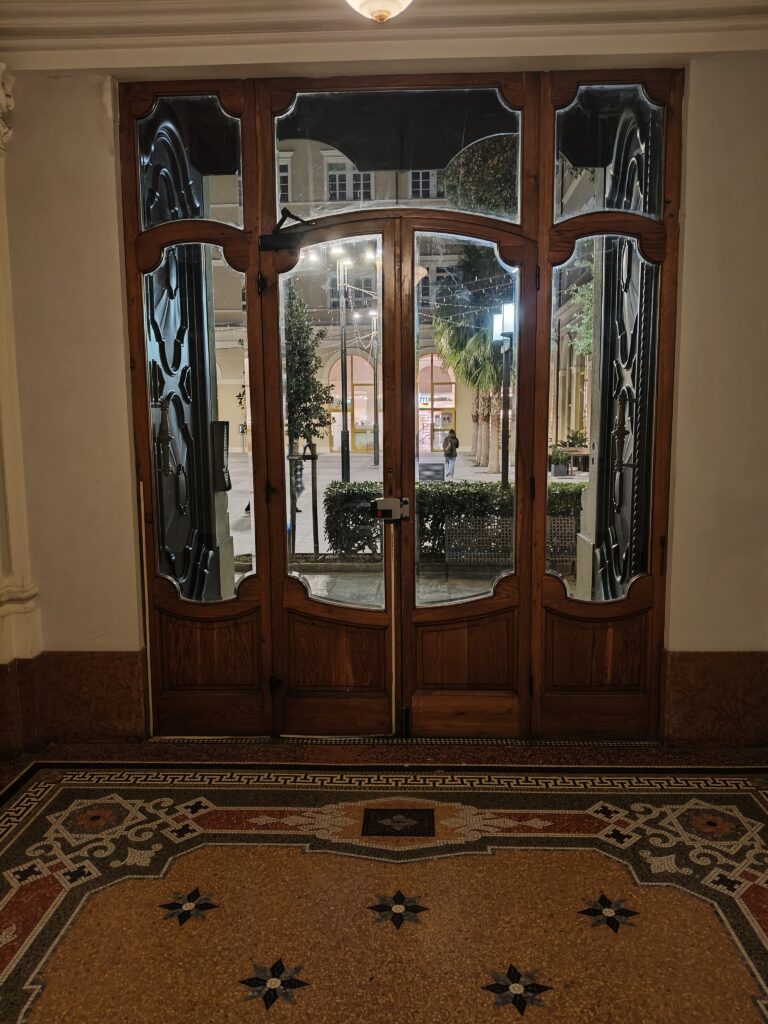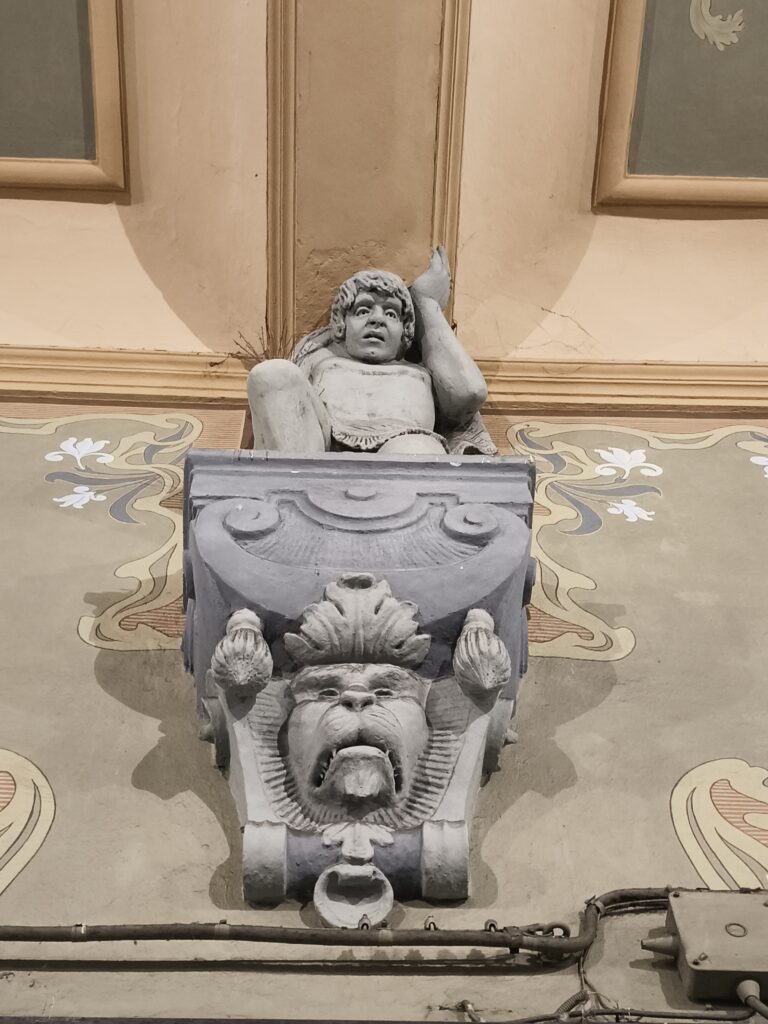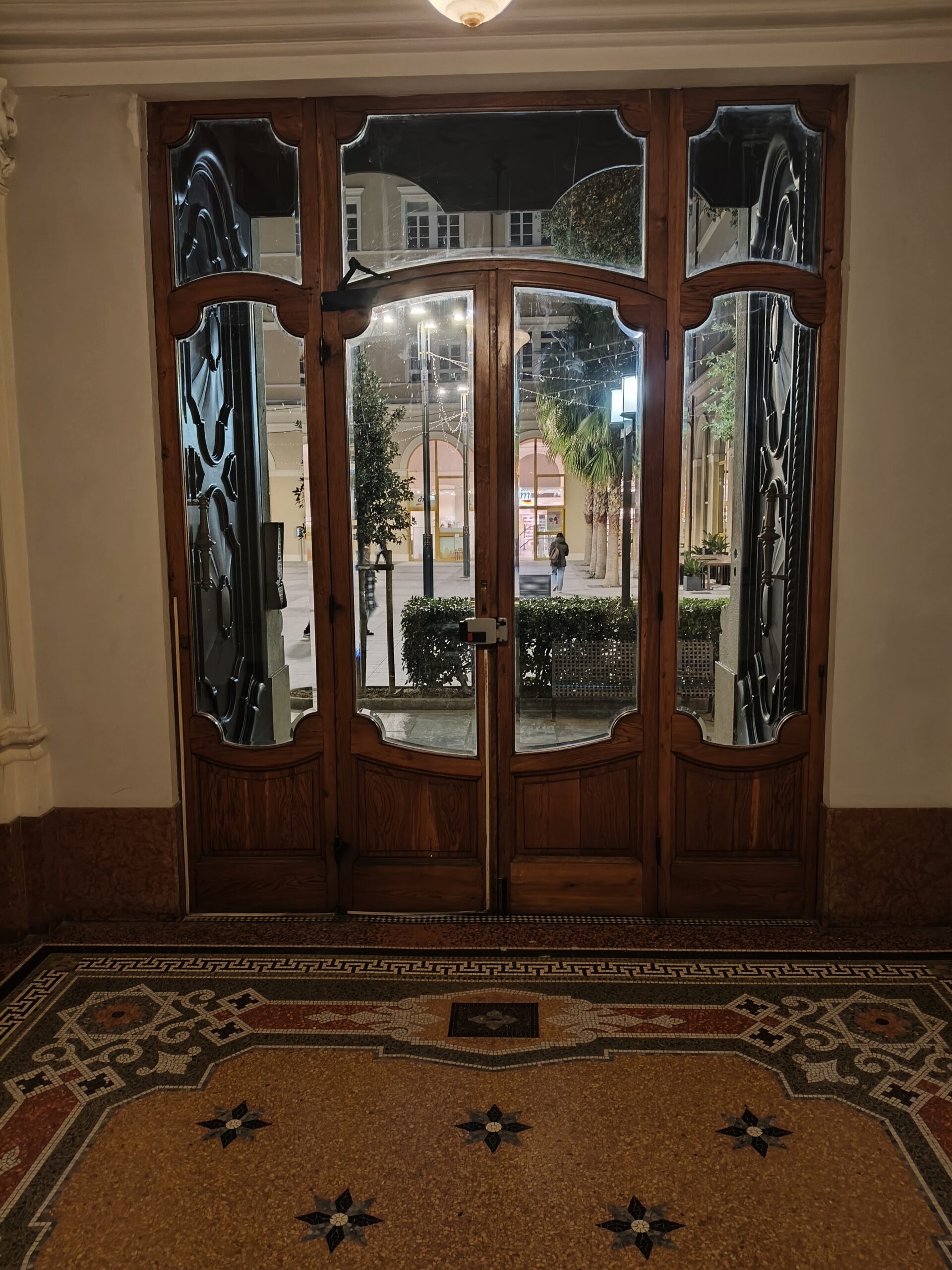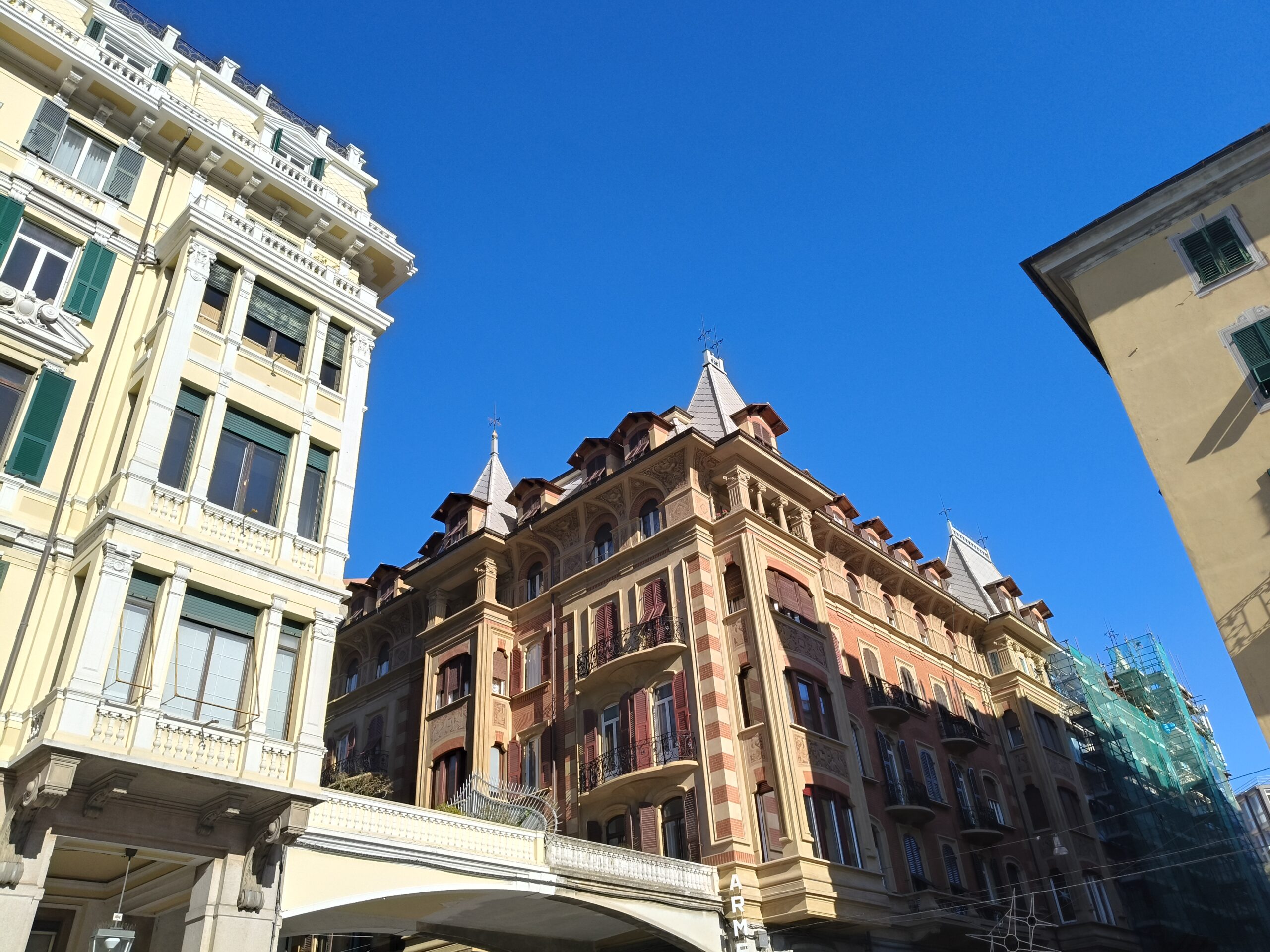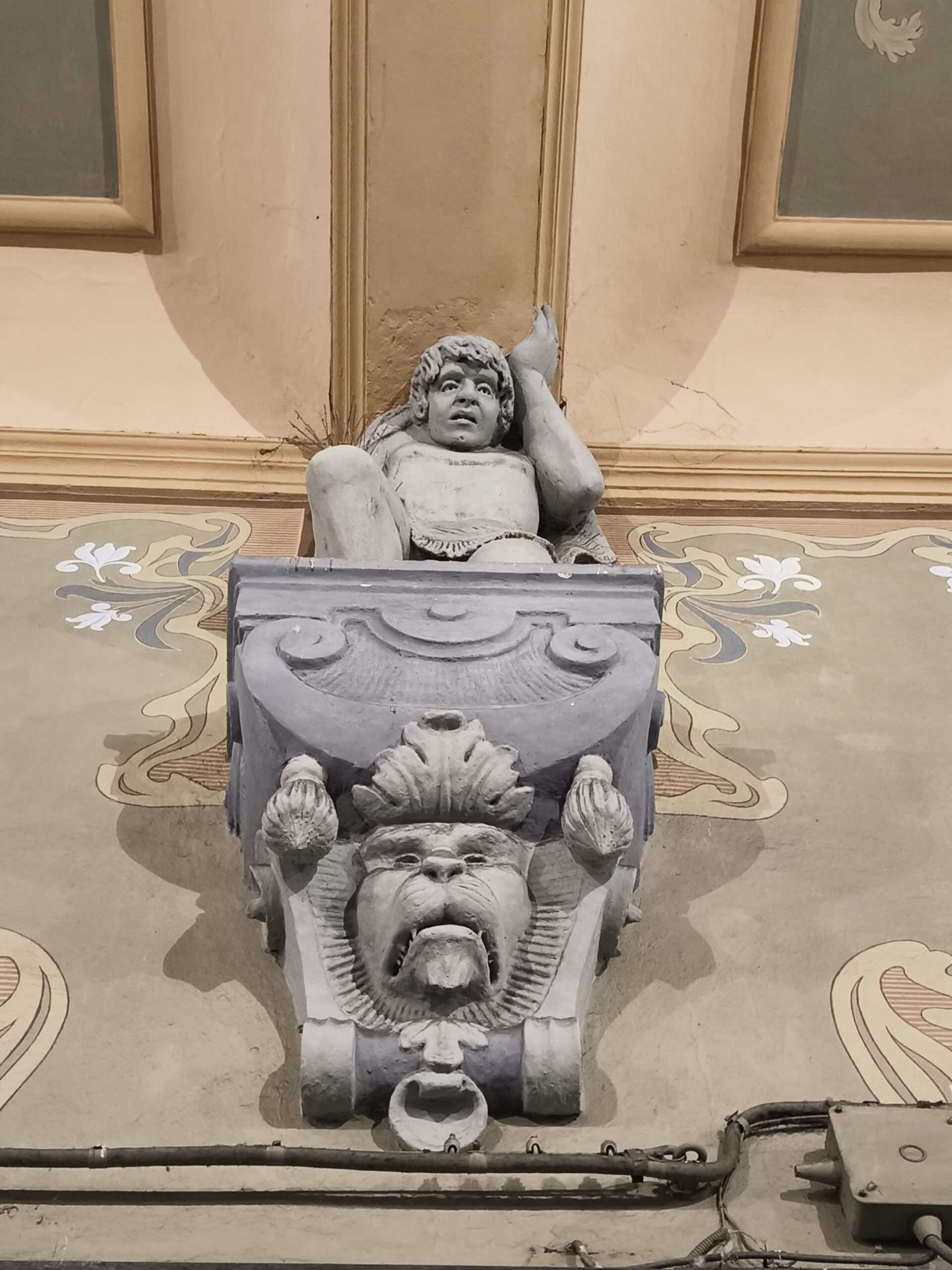

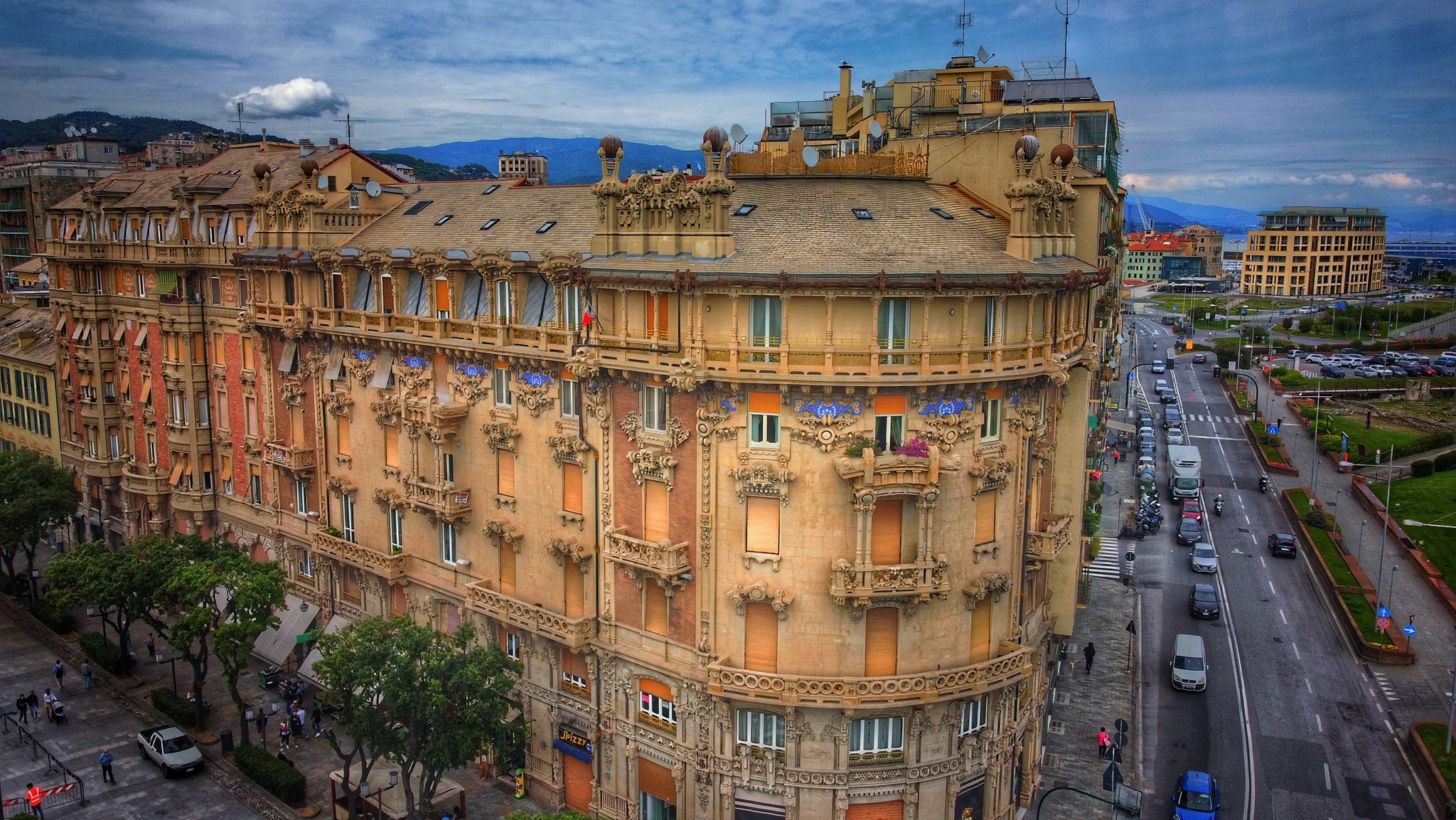
Art Nouveau in France, Modernism in Spain, Jugendstil in Germany: many are the names the quintessential floral style has taken. Italy, too, boasts a tradition of decorative patterns that have left their mark on contemporary urban society. Its sinuous lines appear in the applied arts and architecture of major Italian cities, but not only.
The Art Nouveau season marks for cities the most obvious moment of the passage to the modernity, organizing urban spaces according to new functional and social needs for mobility and connection, arranging major thoroughfares and squares that meet both practical and representative needs.
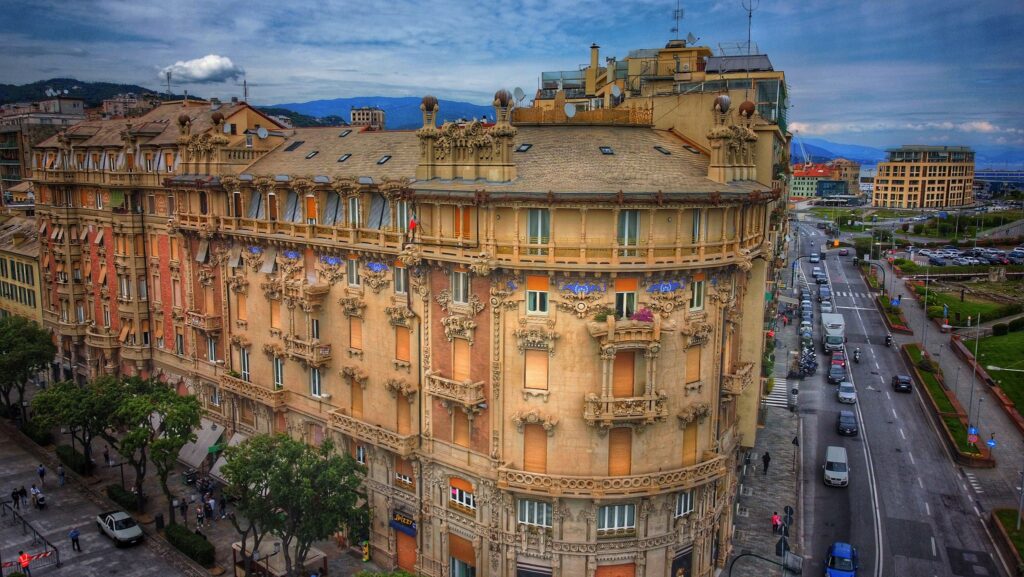
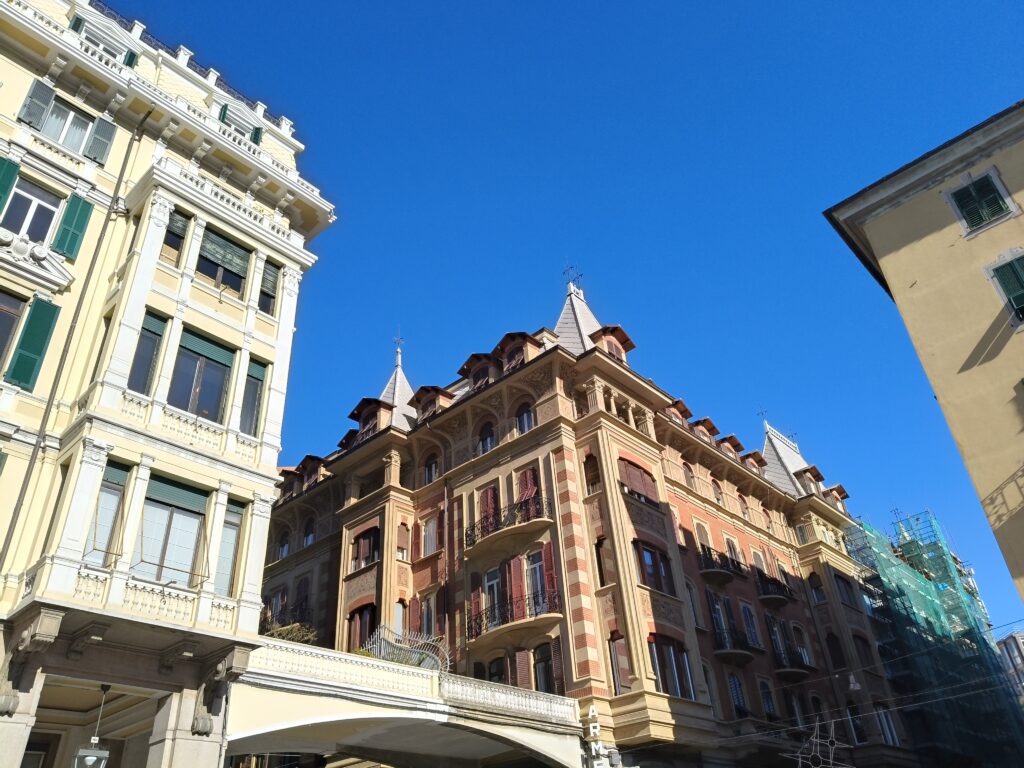
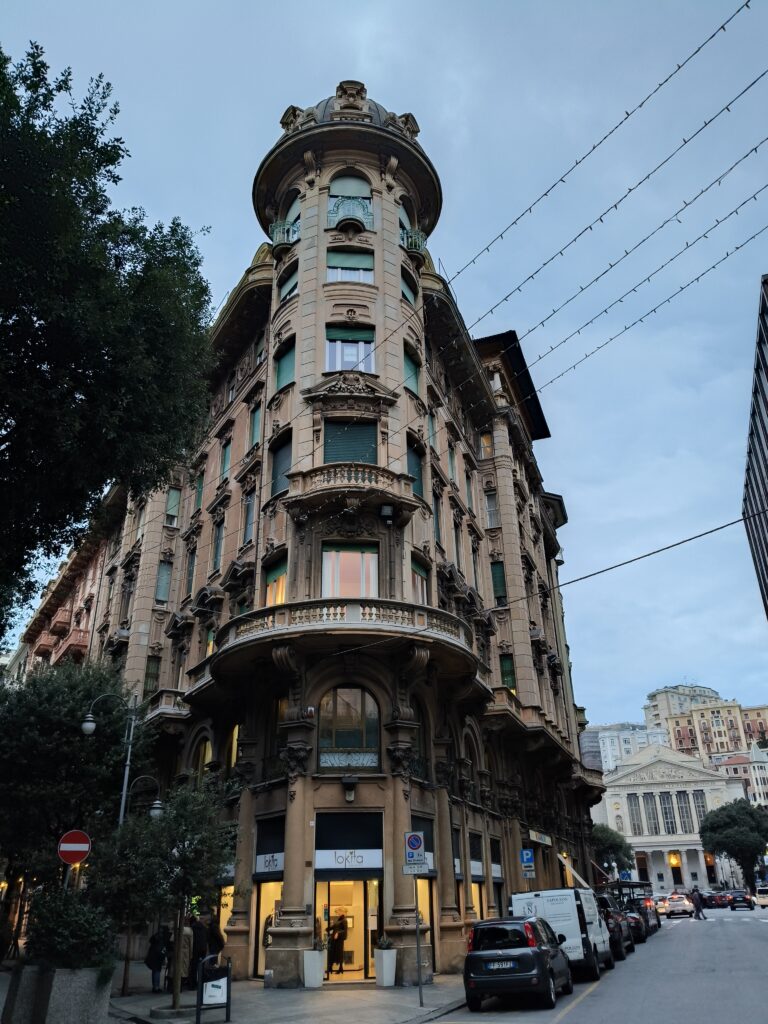
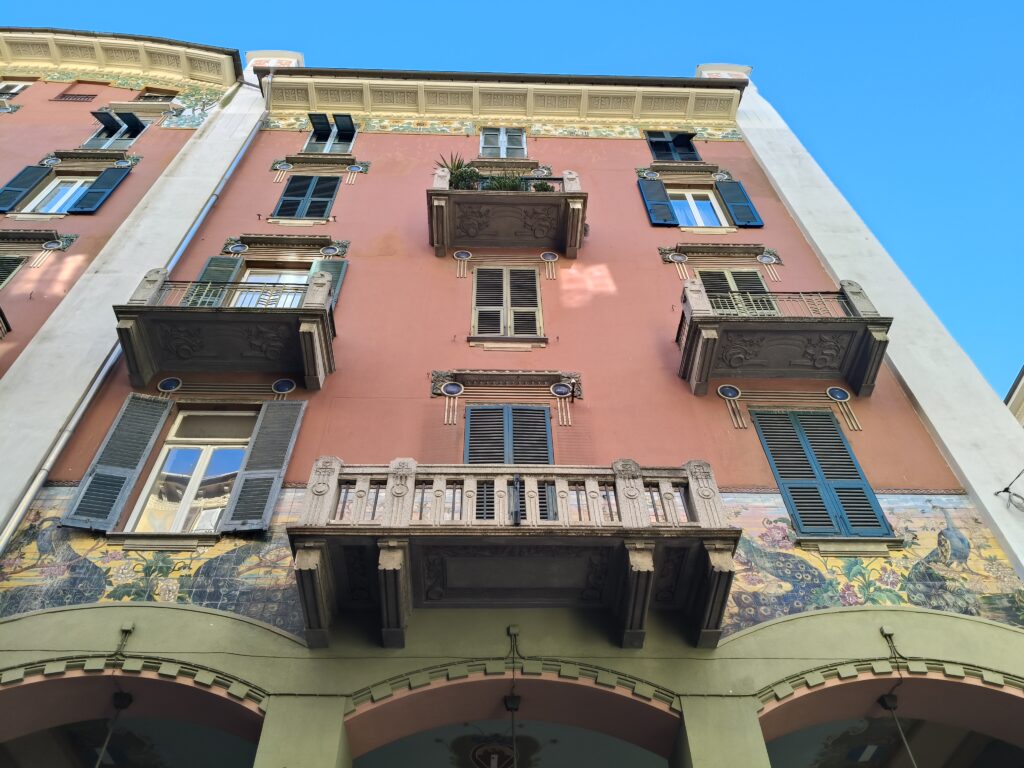
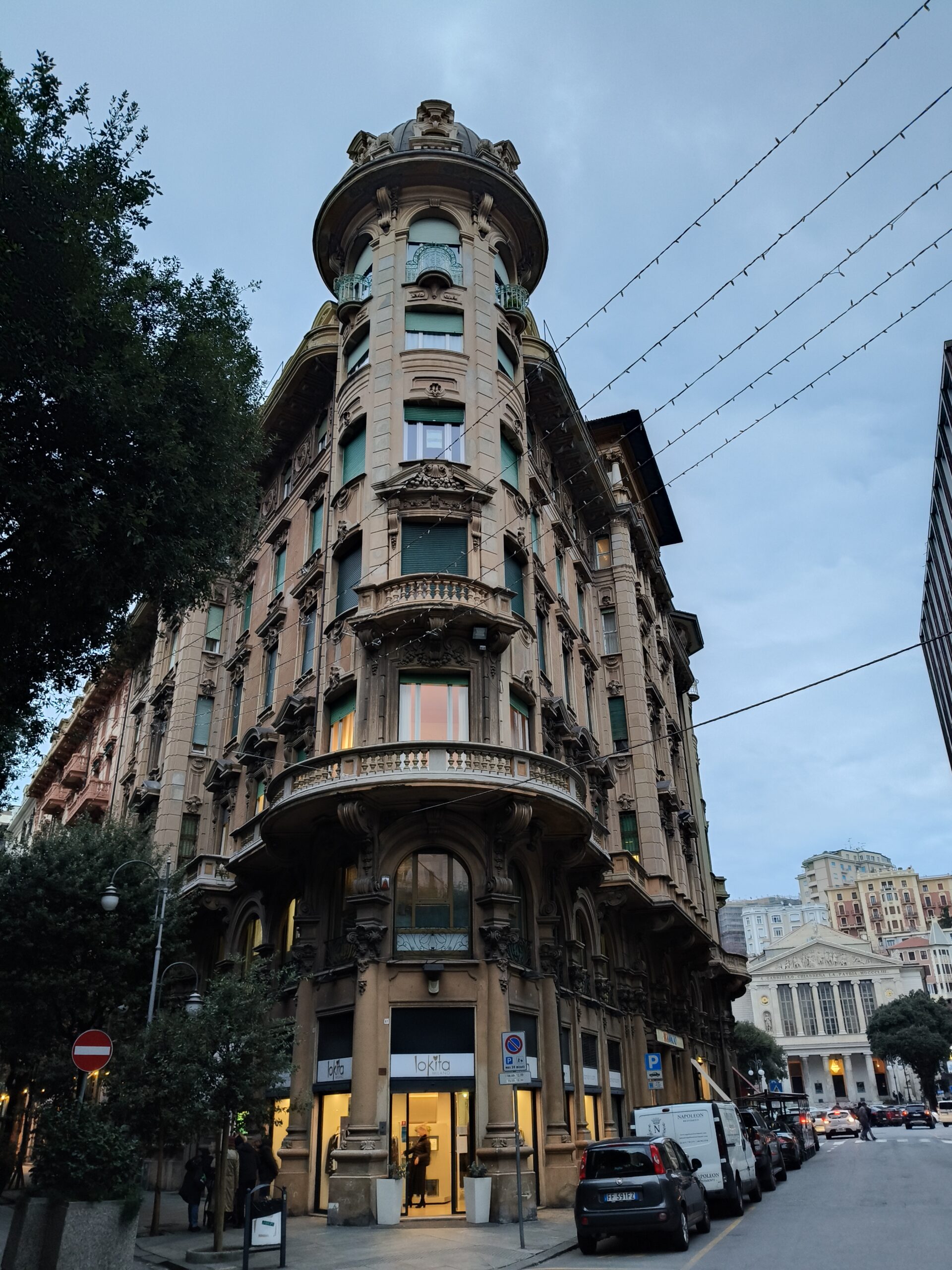
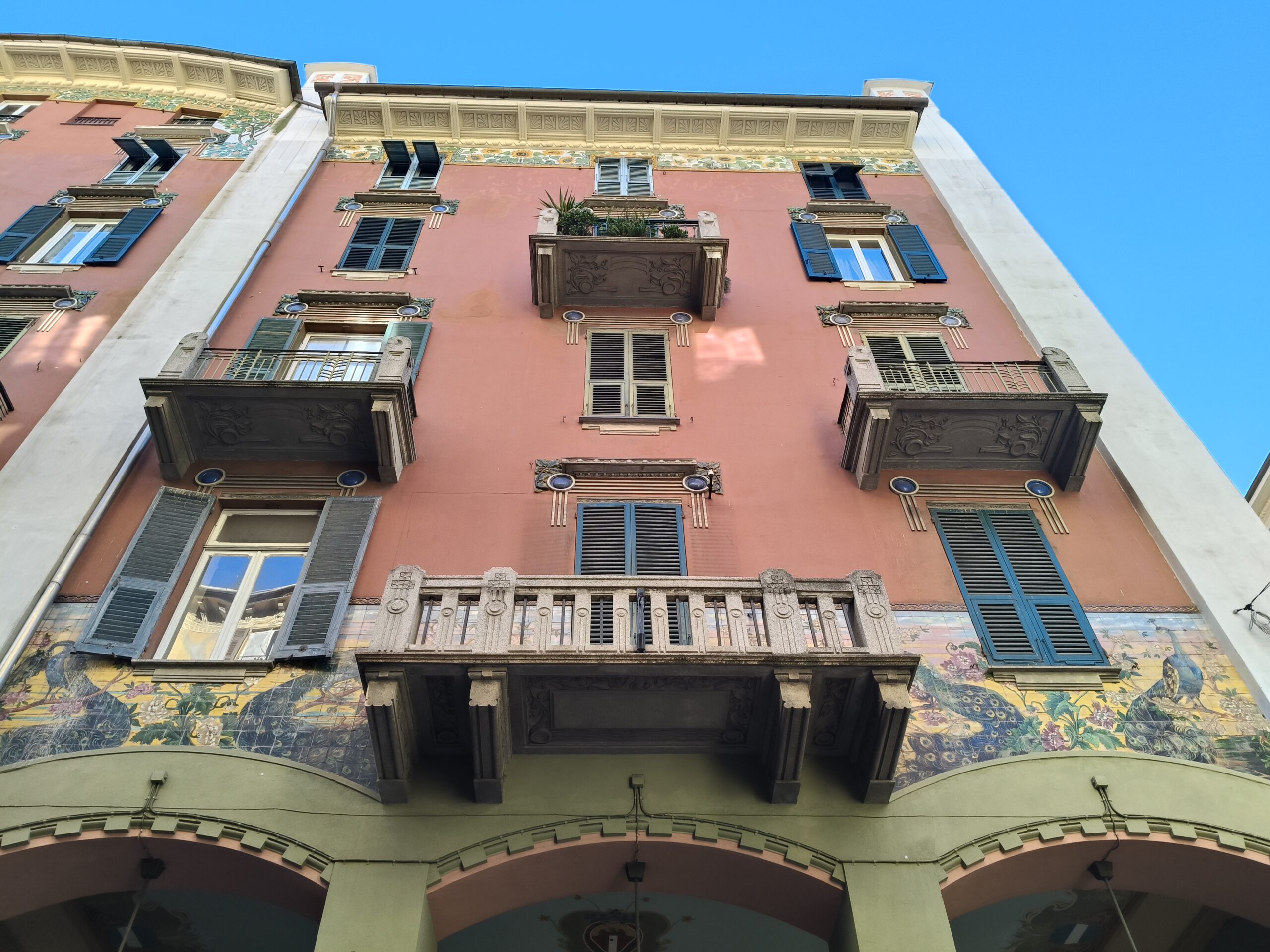
Alongside Turin, Milan or Trieste, the capitals of Italian Art Nouveau, other lesser-known localities stand out for the massive presence of Art Nouveau buildings, and Savona is at the top of the list, in number and importance. On Via Paleocapa and the next parallel, Corso Mazzini, stand some of the most interesting examples of Art Nouveau in the city, the work of Eng.. Alessandro Martinengo. Prominent among them are. the Peacock Palace (1911-12) and the Delle Piane Palace (1910-11), the latter made with the collaboration of Adolfo Ravinetti then active in Martinengo's studio.
The main stages of our journey: Sixtus IV Square, Corso Italia, Molinari Palace in Diaz Square, Vegerio Street, Pavoni Palace in Paleocapa Street, Delle Piane Palace in Corso Italia, Luigi Corsi Street, Maffiotti Palace in Boselli Street, Nazario Sauro Street and Mameli Square.
For organized groups, a bus tour of the nineteenth- and early twentieth-century city can be arranged. This scenic tour will be as unexpected as it is interesting, not only because Savona is one of the most fascinating Art Nouveau cities in Italy, but especially because it will give the opportunity to see one of the most significant masterpieces of Italian Art Nouveau: the Villa Zanelli.