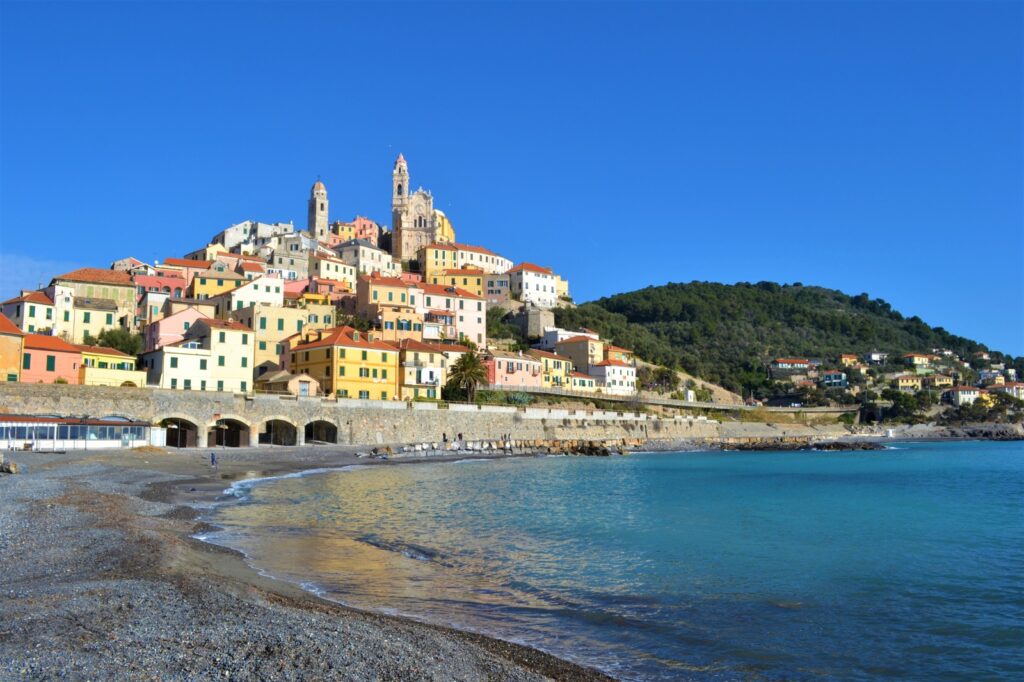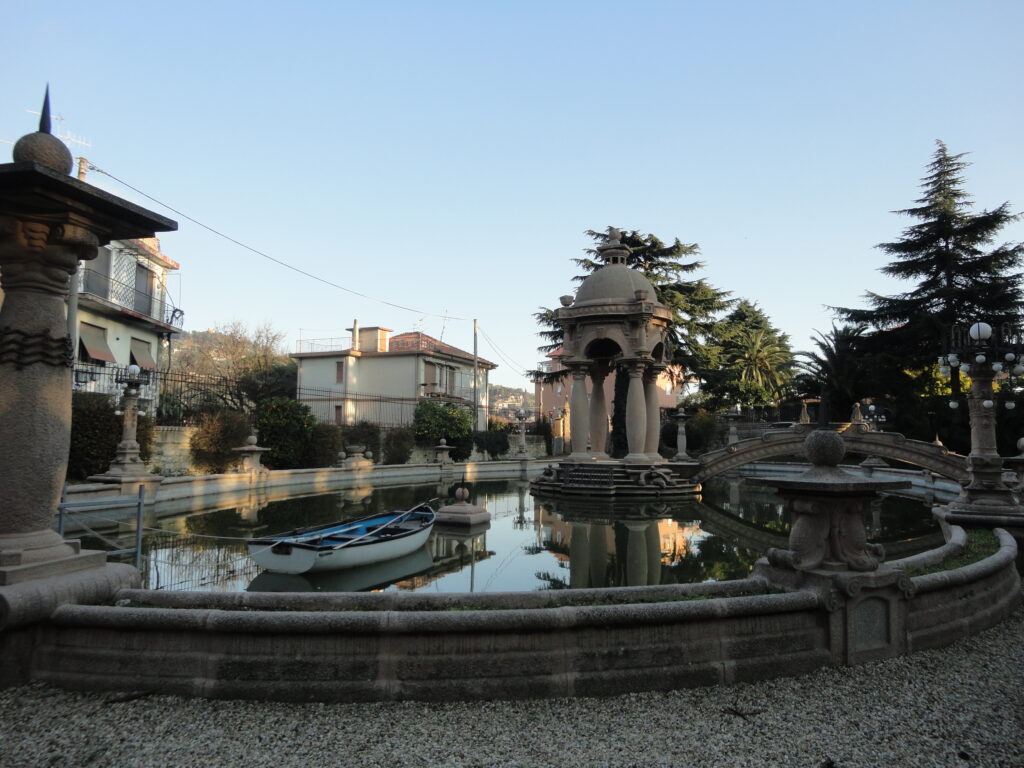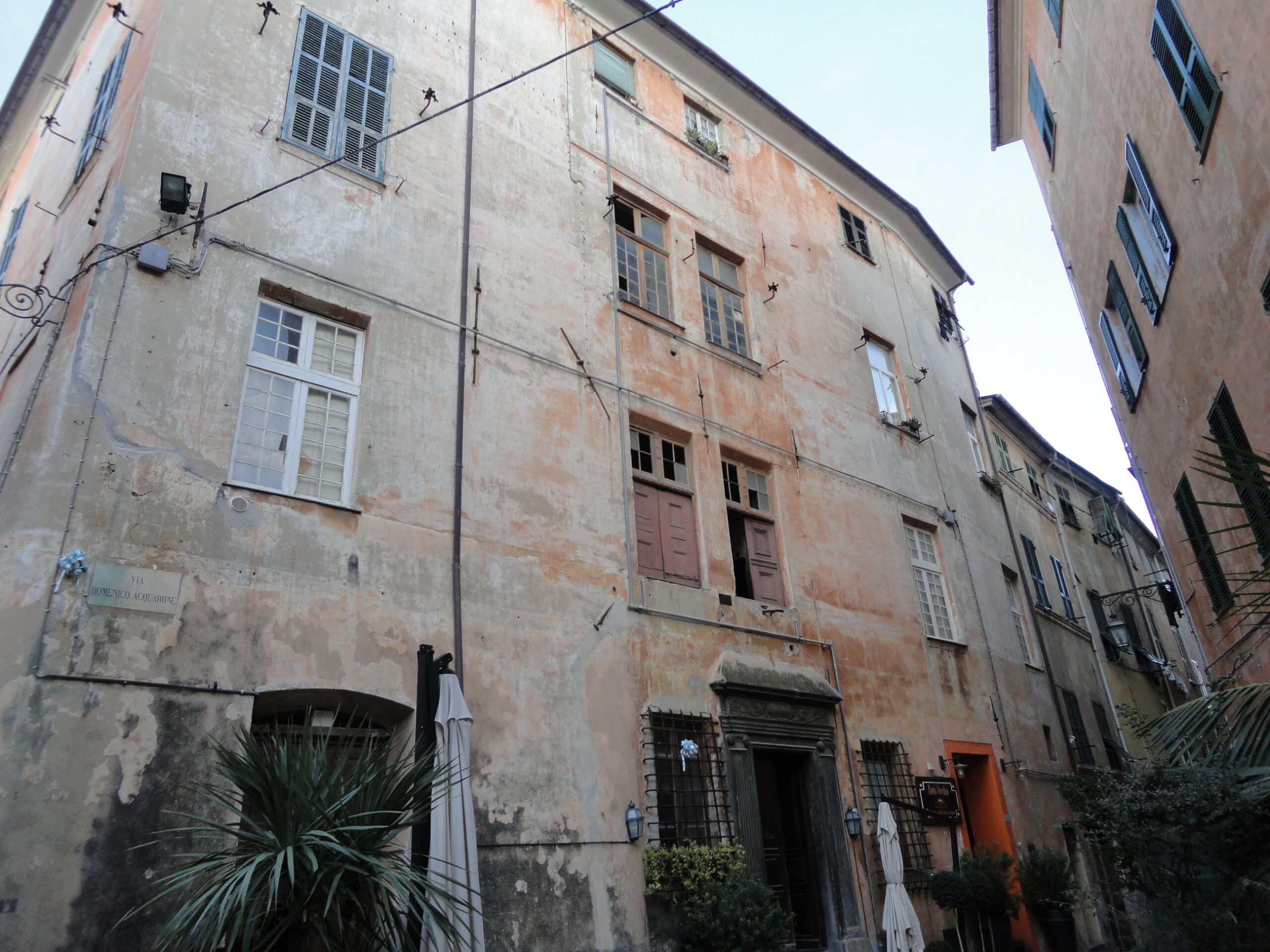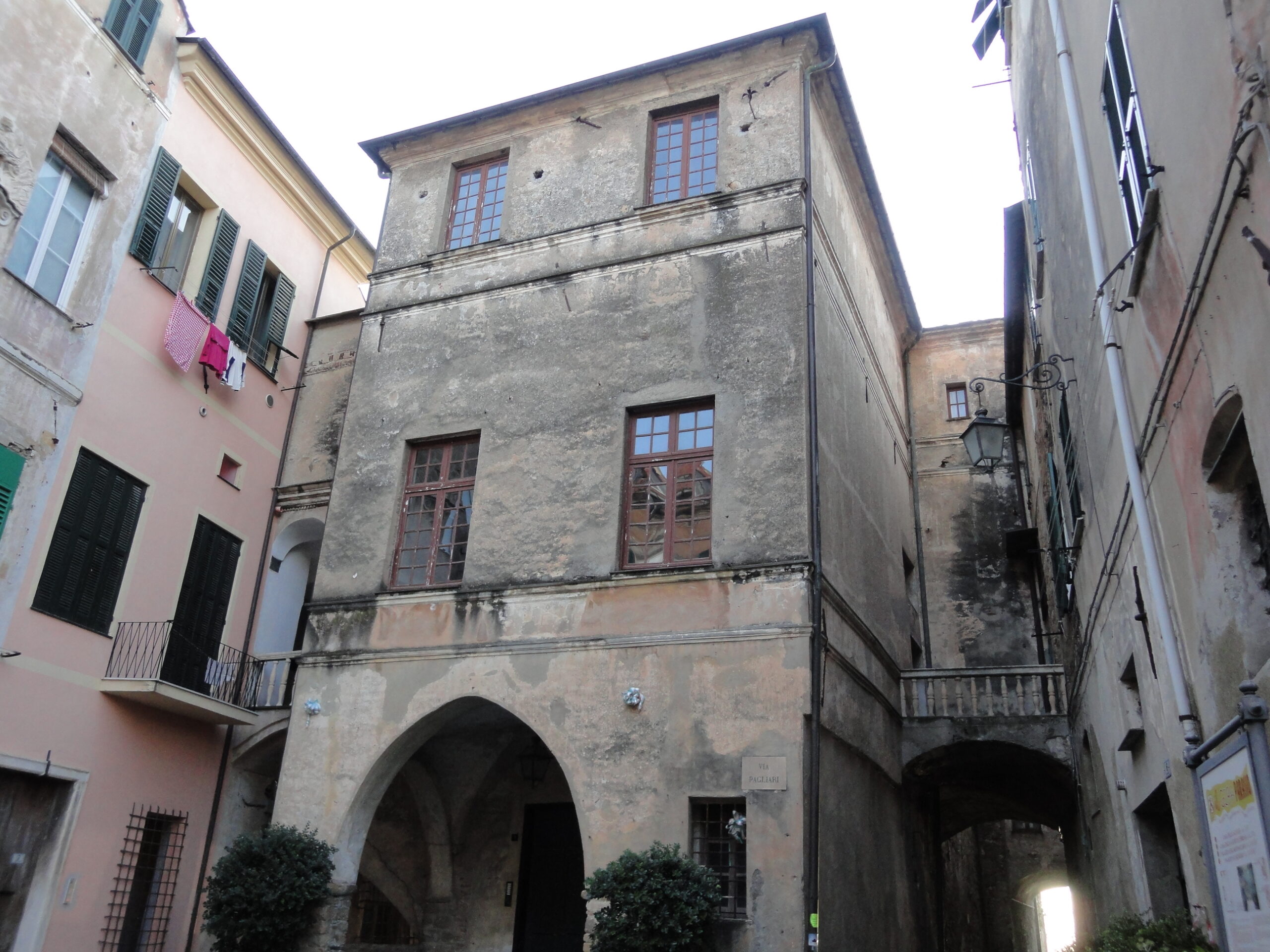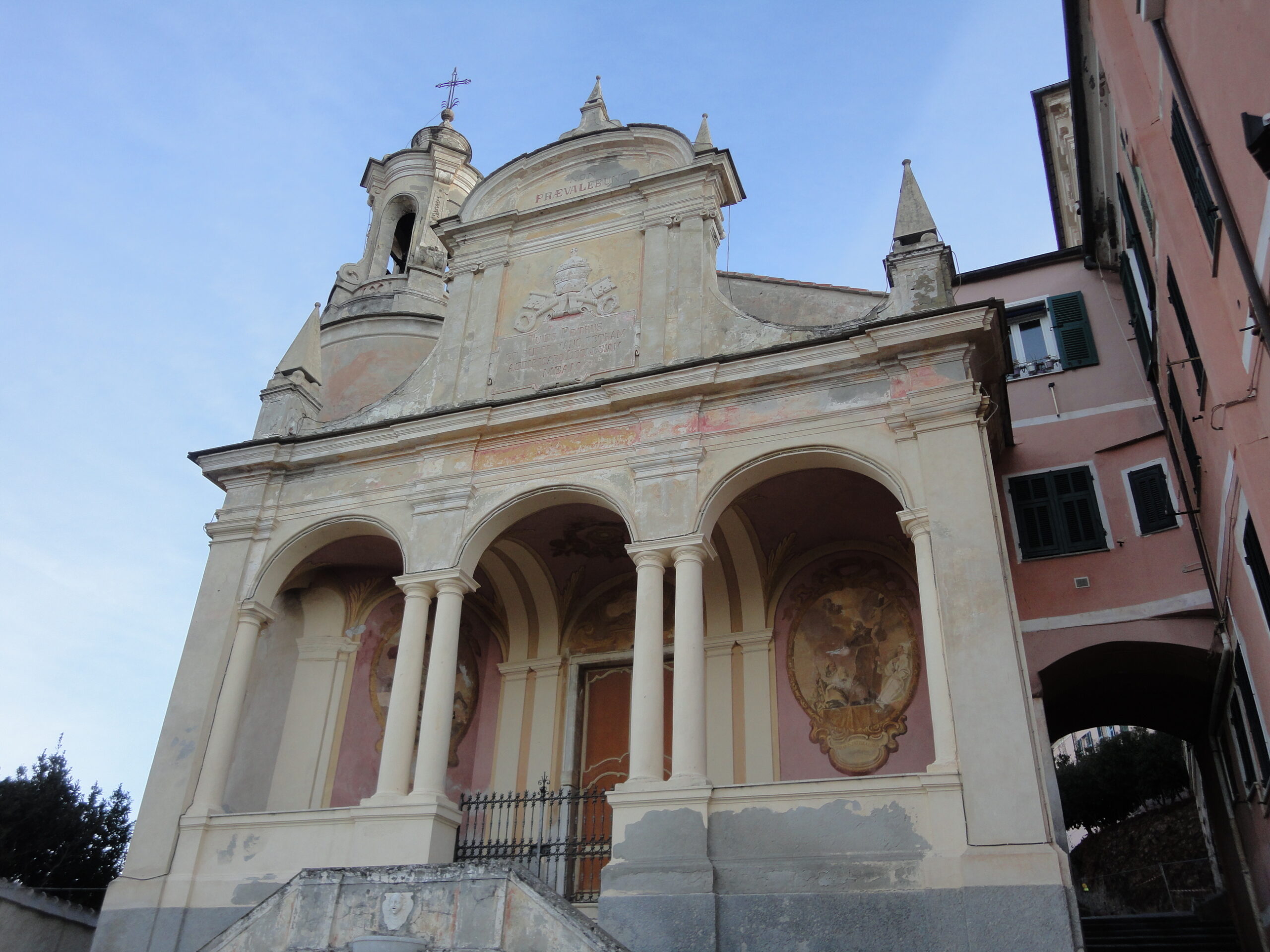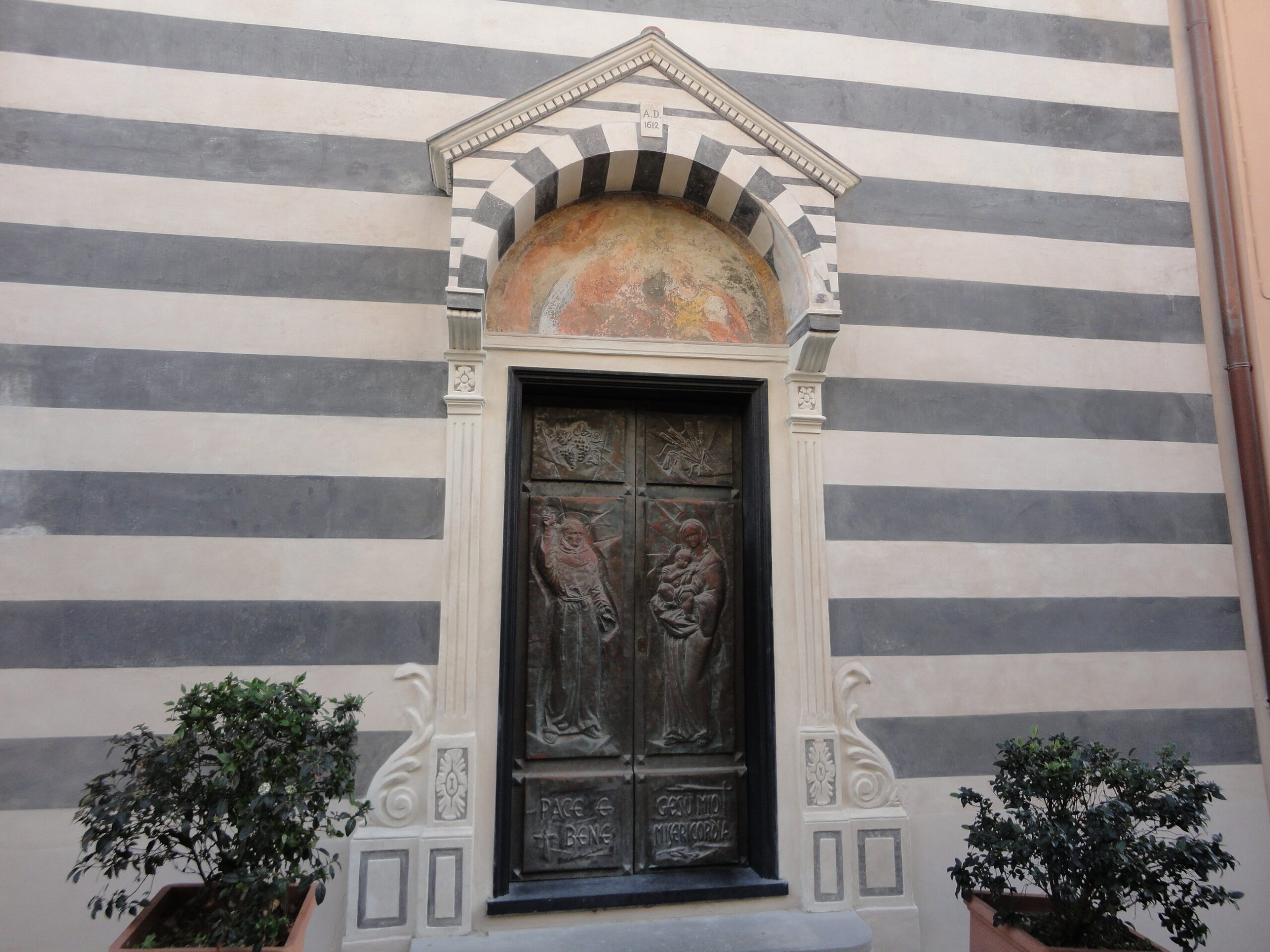

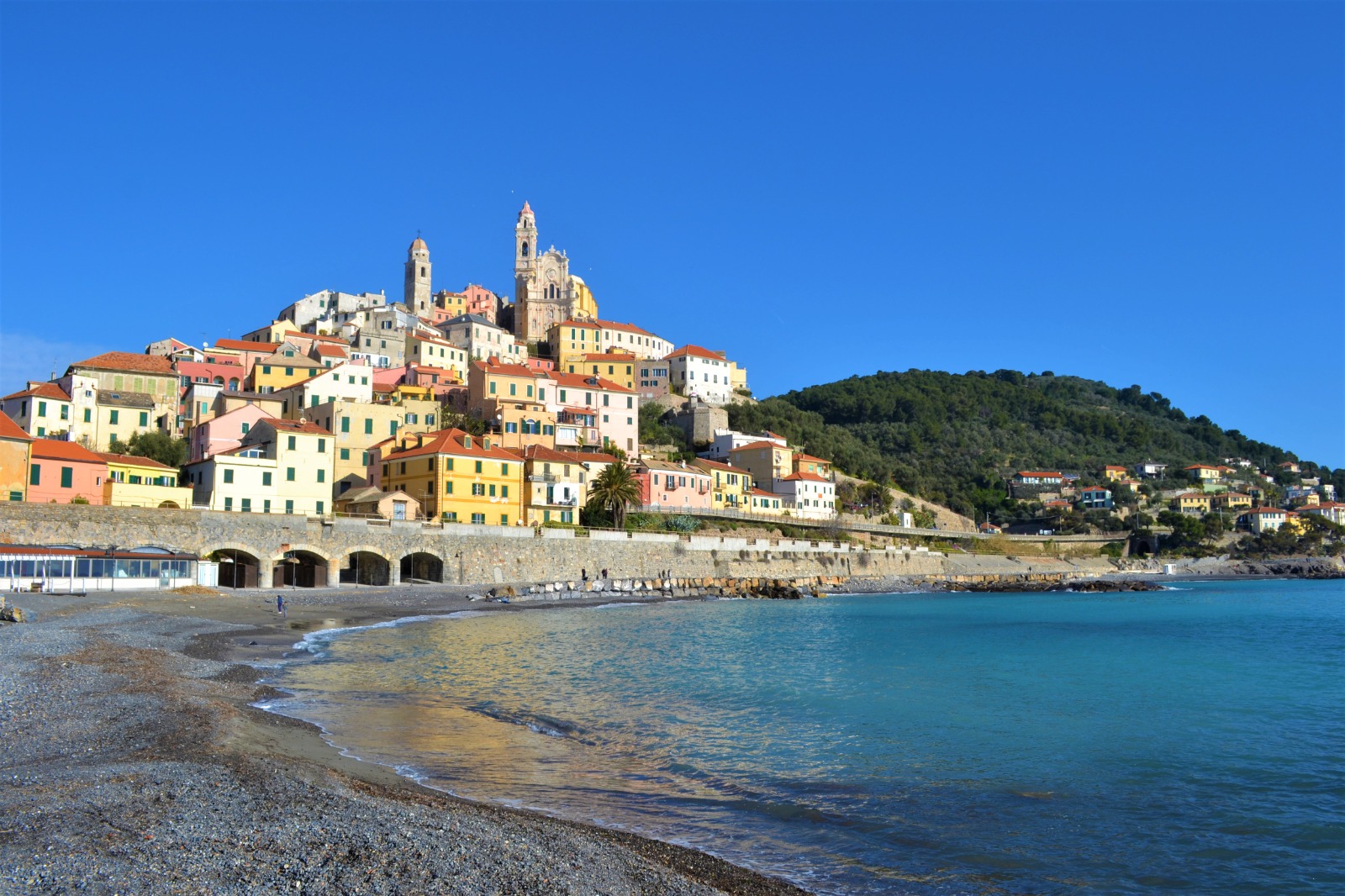
A recent city, just over a hundred years old, but with an ancient history that probably dates back to Roman times when Porto Maurizio was founded. A rich and intriguing history that we invite you to discover during our guided tour. A scenic tour will give you an understanding of how the city is divided into two distinct identities, separated by the Empire Creek: to the east develops Oneglia, on a flat area, with a historic center reflecting a style more Piedmontese than Ligurian; while to the west Port Mauritius stands on a promontory overlooking the sea, with its characteristic perched village, where narrow stairways, alleys and covered passageways evoke the typical Genoese atmosphere.
This division has distant roots, dating back to 1576, when the Dorias ceded Oneglia to Emanuele Filiberto of Savoy for 41,000 scudi. When wars broke out between Genoa and Savoy in the 17th century, Oneglia and Porto Maurizio ended up on opposite sides. It was a rivalry that lasted for centuries, until, in the early 1900s, the people of Oneglia, in the midst of economic growth, conceived the idea of uniting the two cities to create one large integrated port system. Despite resistance from both city councils, in 1923 the following was officially born Imperia.
We invite you to discover the city by lingering in both Porto Maurizio and Oneglia. If, on the other hand, you love to discover the city by walking, our urban treks allow you to discover its most characteristic corners.
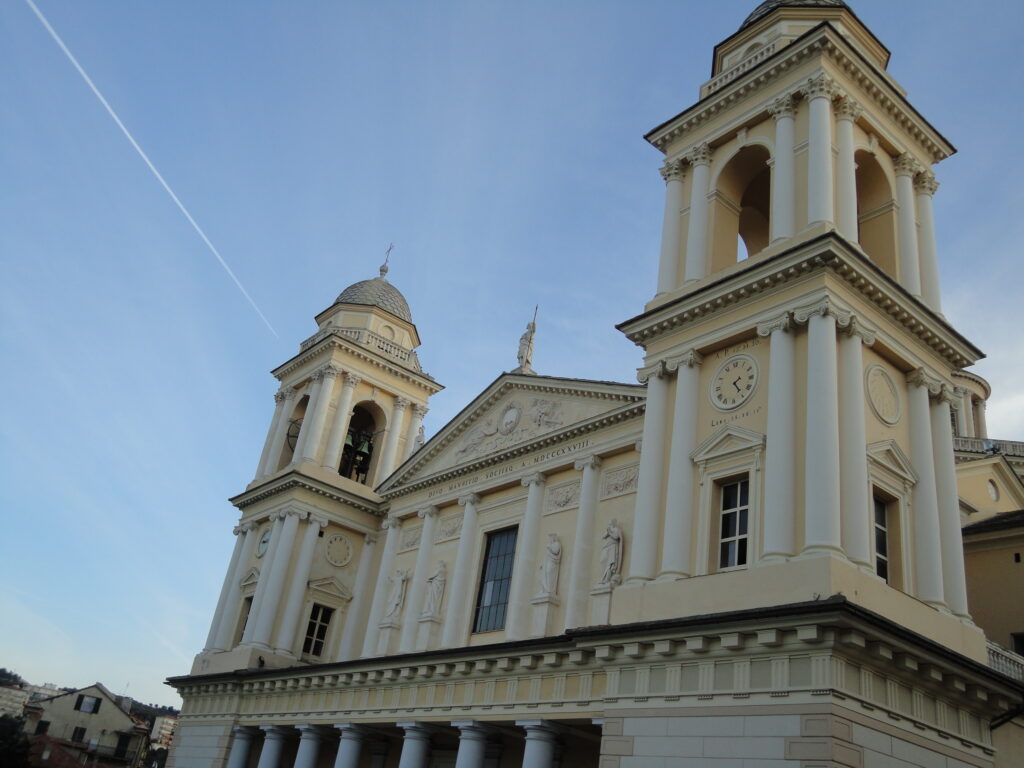
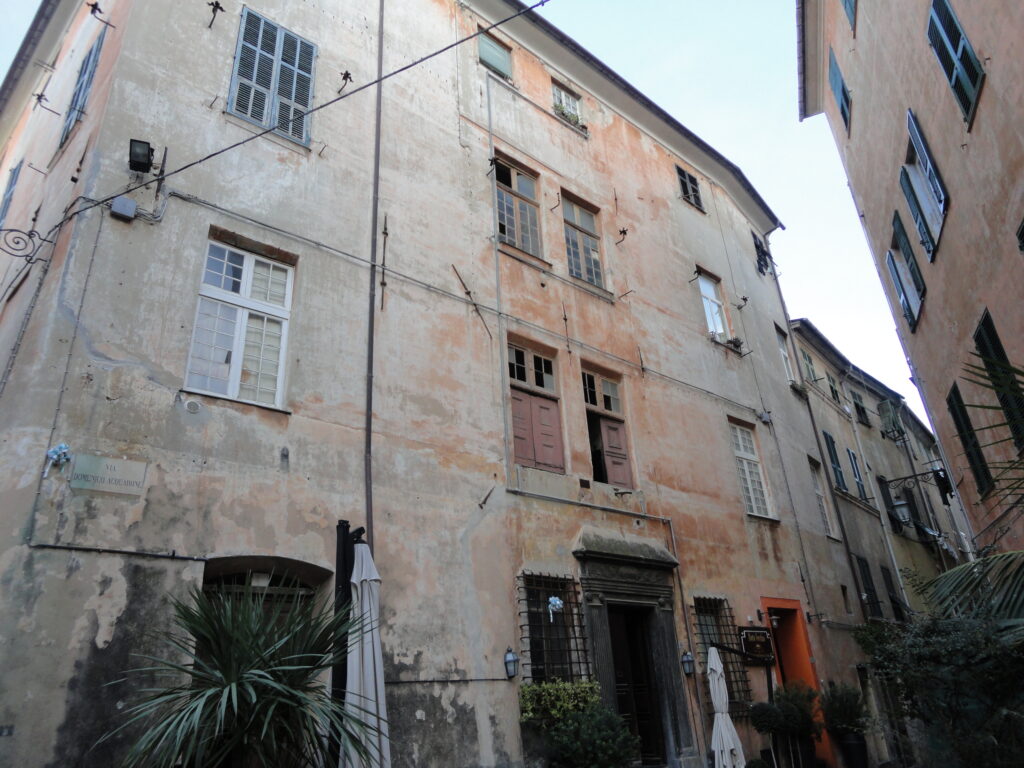
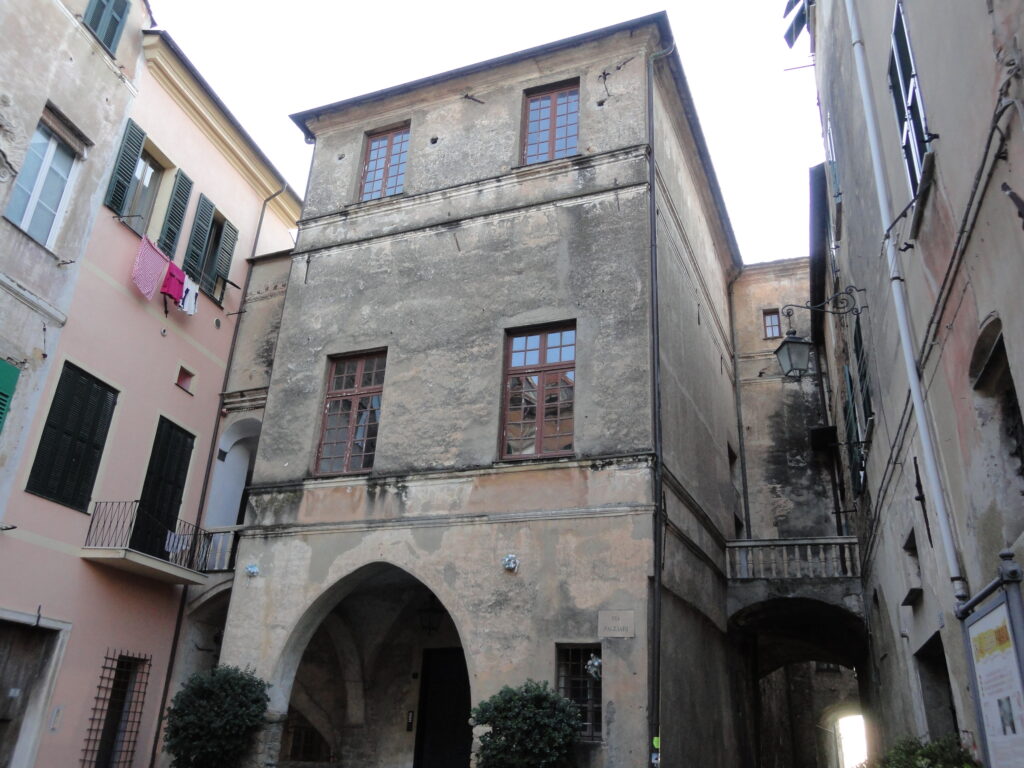
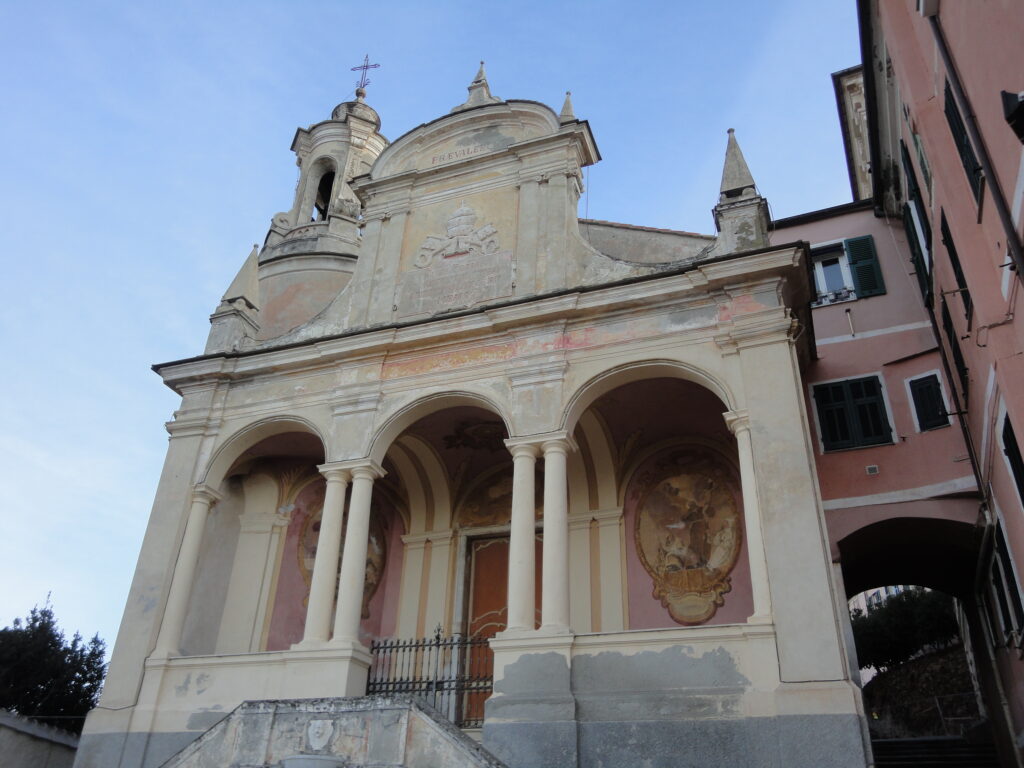
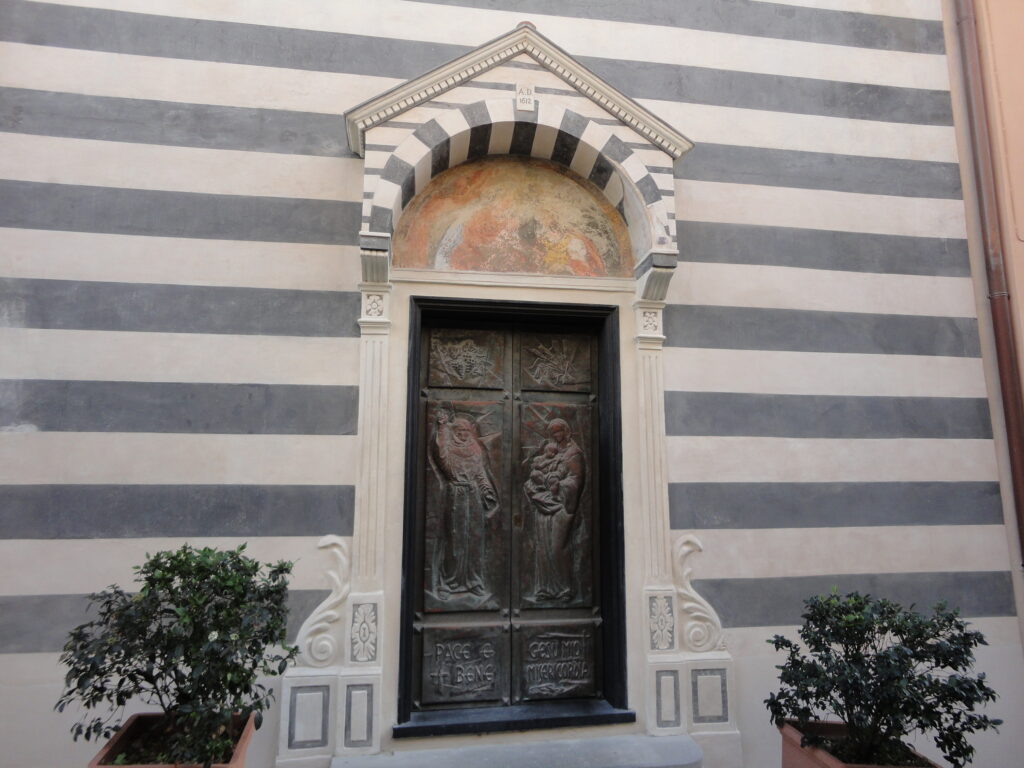
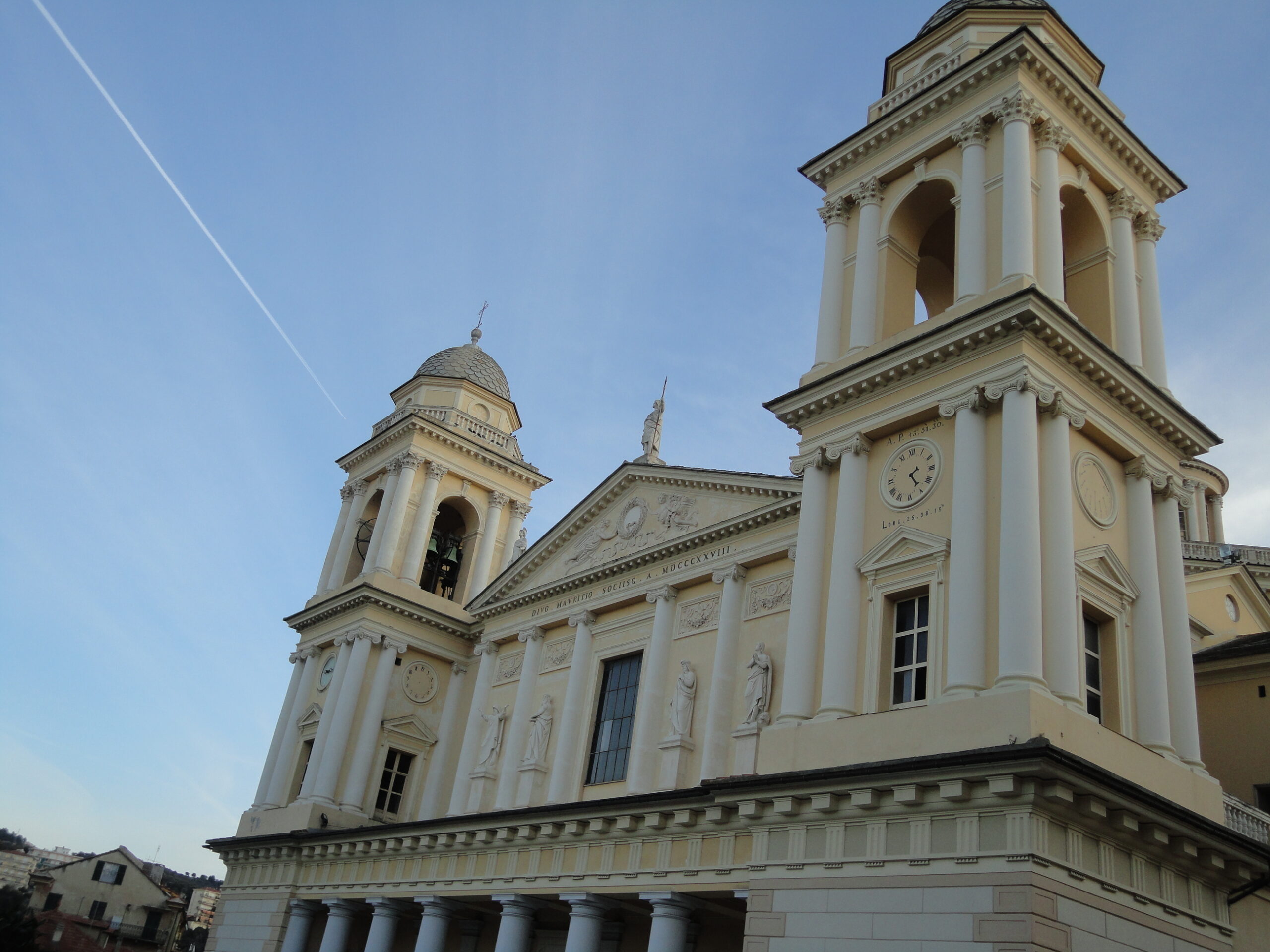
Visit Port Mauritius means entering the medieval center of the Parasio, climb its carruggi, steep stairs, linger on the terraces overlooking the sea, visit the many oratories, home to important brotherhoods, enter the church and birthplace of St. Leonard (ardent Franciscan friar, known for instituting the Way of the Cross and today the patron saint of Imperia). Once at the top, a walk in the Loggias of St. Clare offers incomparable views of the gulf and the Mediterranean. Parasio's most significant monument is definitely the Cathedral of St. Maurice. Made by architect Gaetano Cantoni is not only one of the greatest examples of Ligurian neoclassicism but is also the largest church in Liguria.
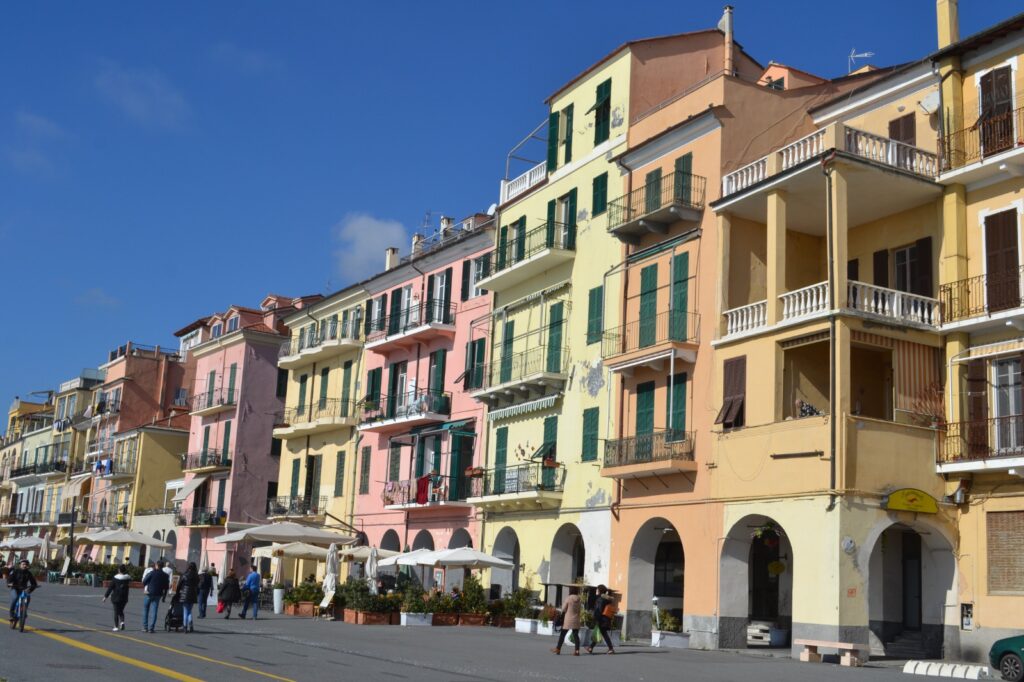
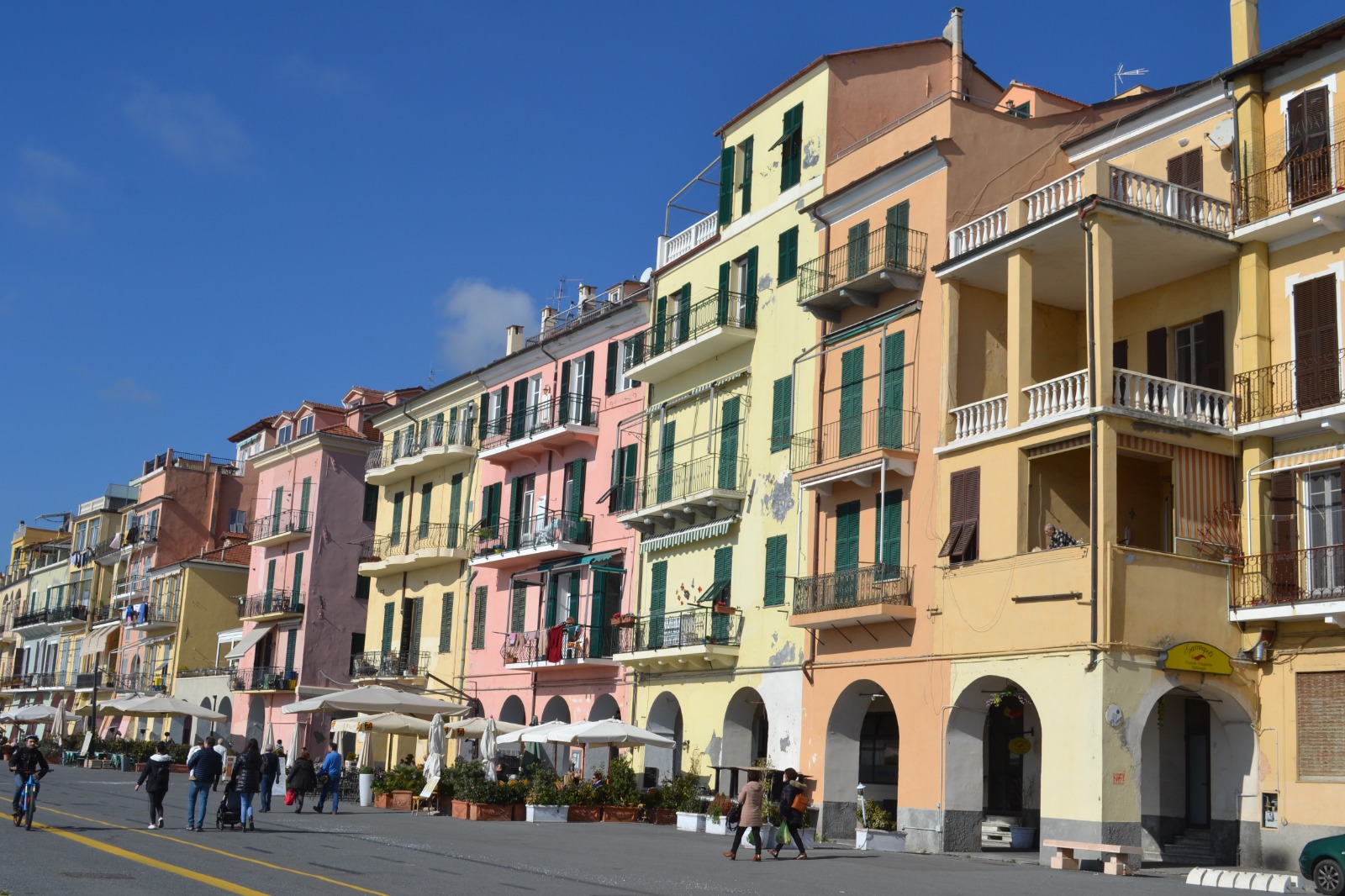
Descending toward the sea, Borgo Marina and Borgo Foce welcome us with tall, narrow houses in pastel colors typical of Ligurian seaside architecture.
Short distance, Oneglia welcomes us with a completely different urban layout and architecture. The nerve center of the village is Dante Square with its Savoy-style arcades. The arcaded via Bonfante is the promenade street with stores, pastry shops and bars. Descending toward the sea we encounter some buildings of industrial archeology belonging to the factory of the Agnesi Pasta, which had its headquarters here. We continue along the characteristic “cove”, where we immediately understand that the arcade was not meant for strolling as in any resort, but rather for storing goods or sheltering small boats. Today the cove has been completely renovated and the goods depot has given way to quaint restaurants. We reach Doria Square and among the houses separating the square from the sea we glimpse the palace that is the seat of the Lords of Oneglia, where in 1466 the famous admiral was born Andrea Doria, which marked the history of the Republic of Genoa. We end our walk in St. John's Square dominated by the baroque facade of the church collegiate church of St. John next to which stands the bell tower, the tallest in the city.
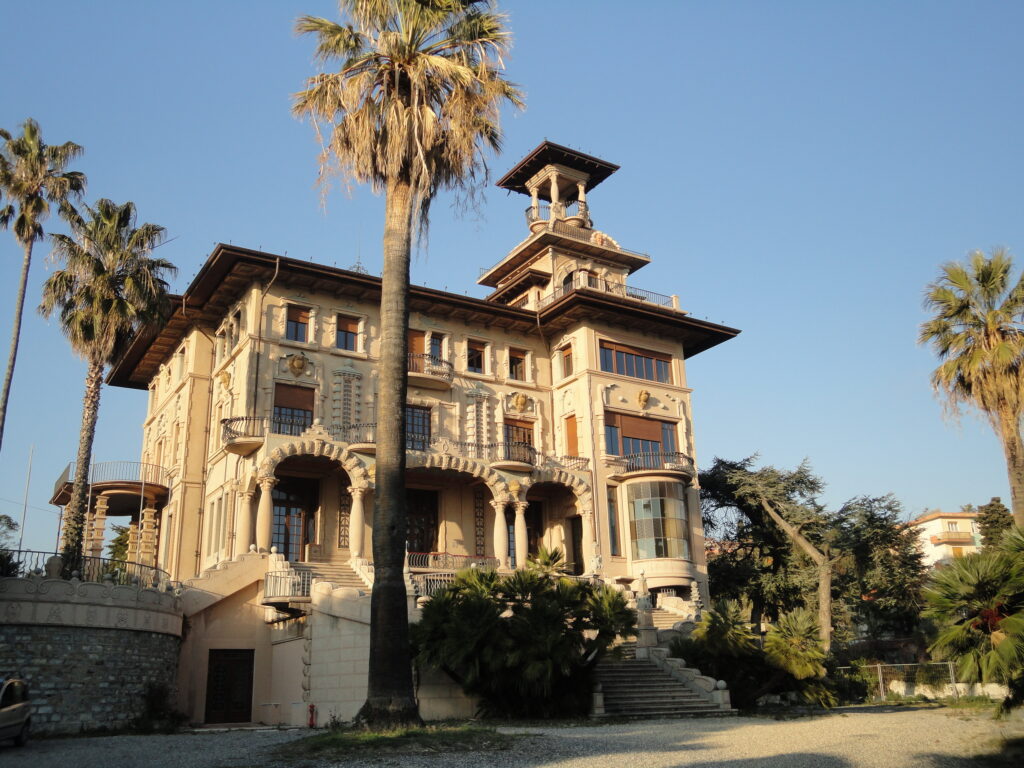
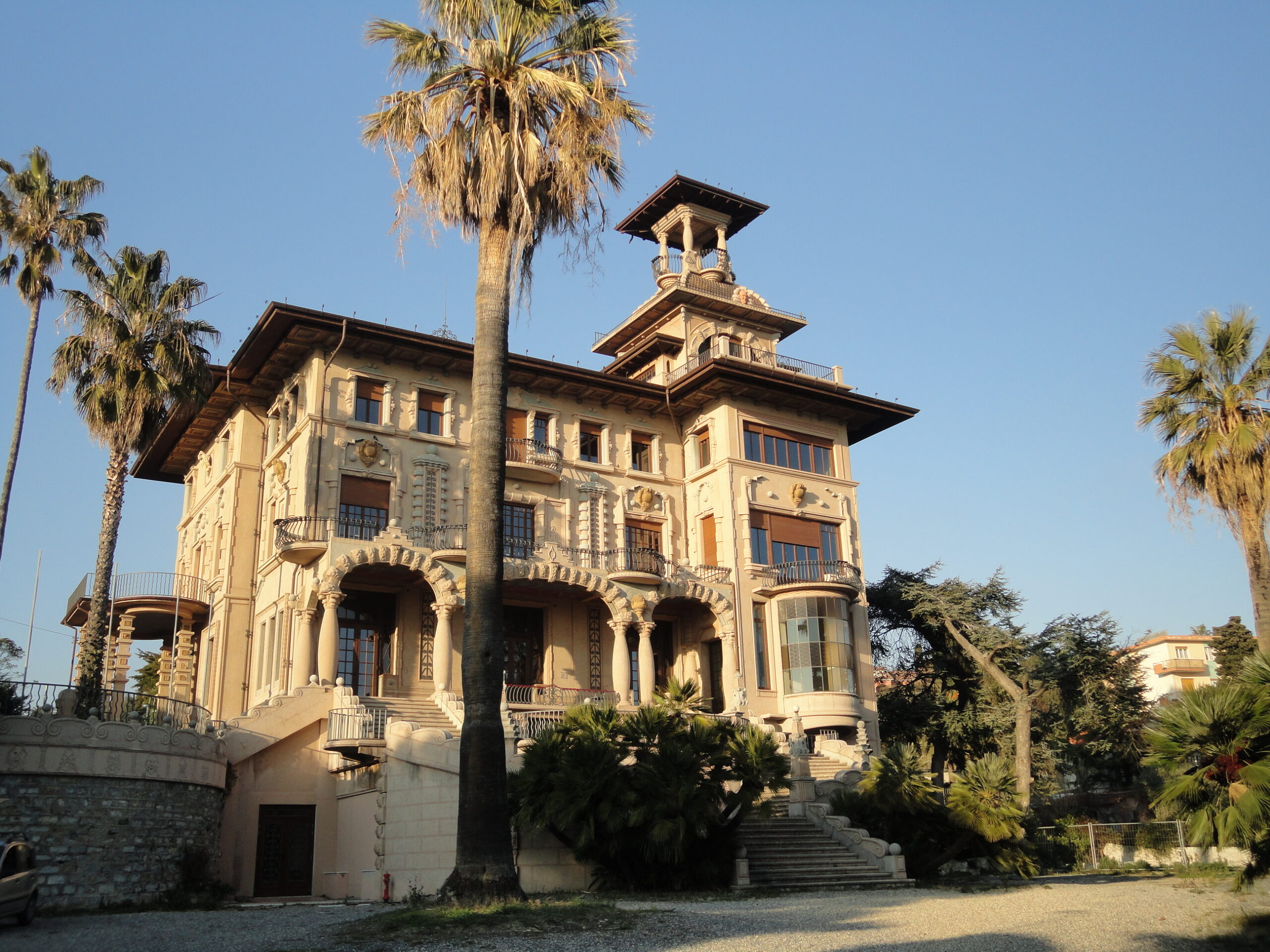
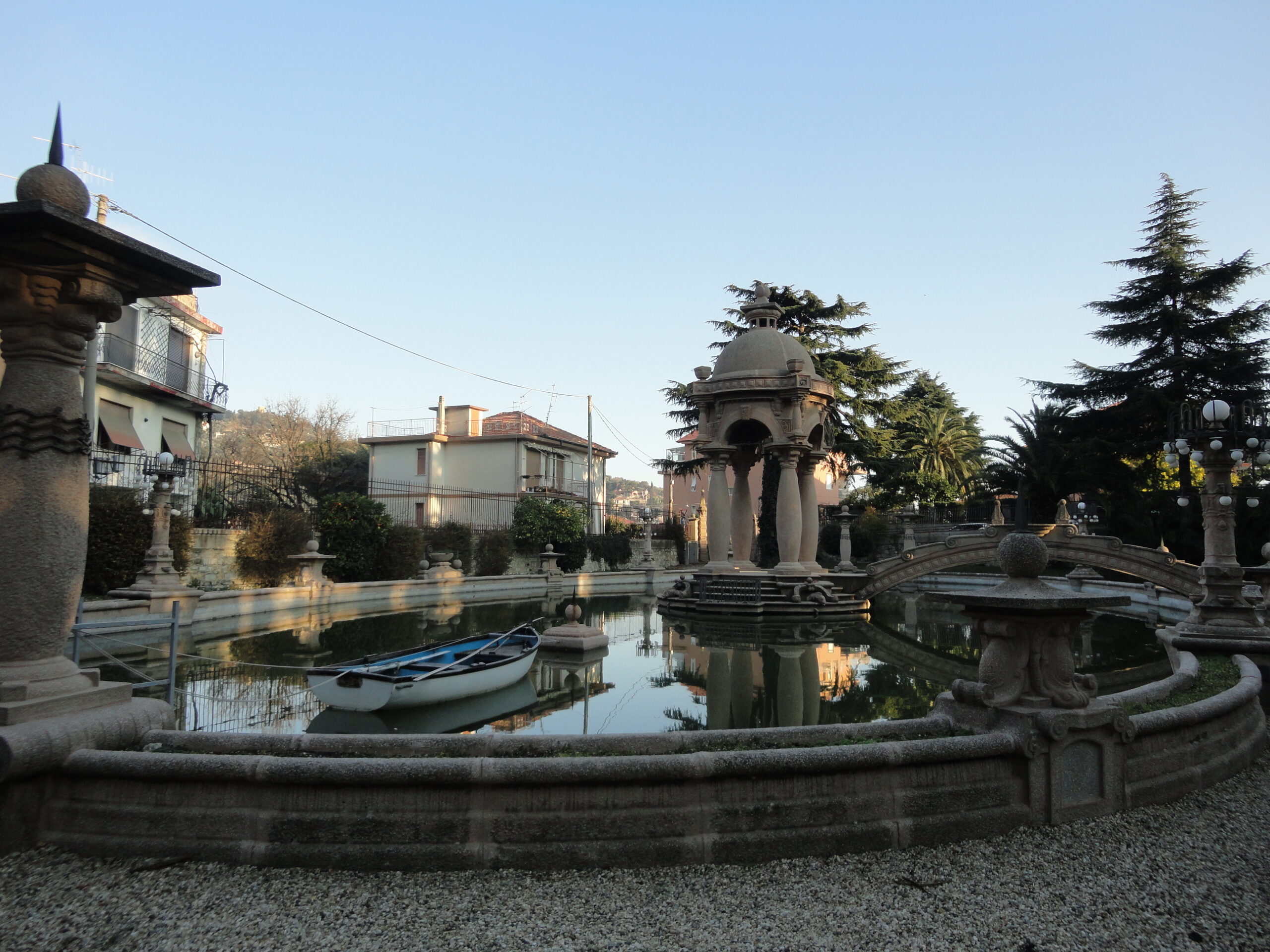
The guided tour of Oneglia can be enriched with a visit to villa Grock, which was built and furnished by Swiss clown Adrien Wettach.
Also of interest is a visit to the Olive Tree Museum located in the Art Nouveau building built in 1929 by architect Winter as the headquarters of Fratelli Carli and still part of the factory.
Also discover our urban trekking in Imperia
The guided tour of Imperia can be combined with: