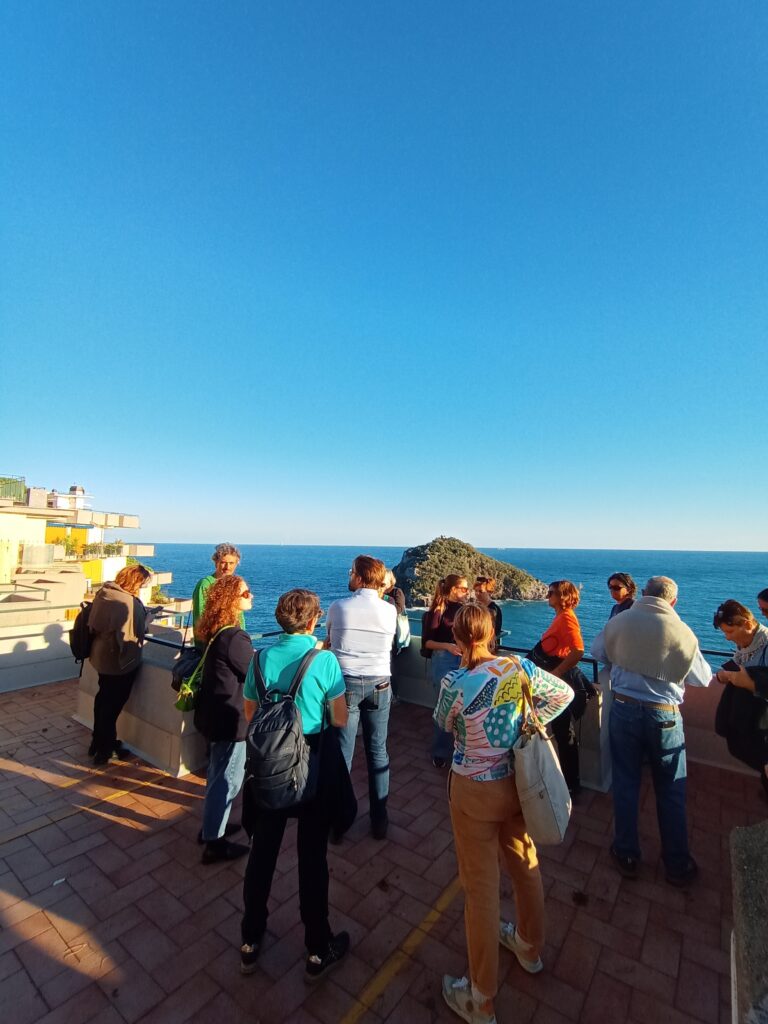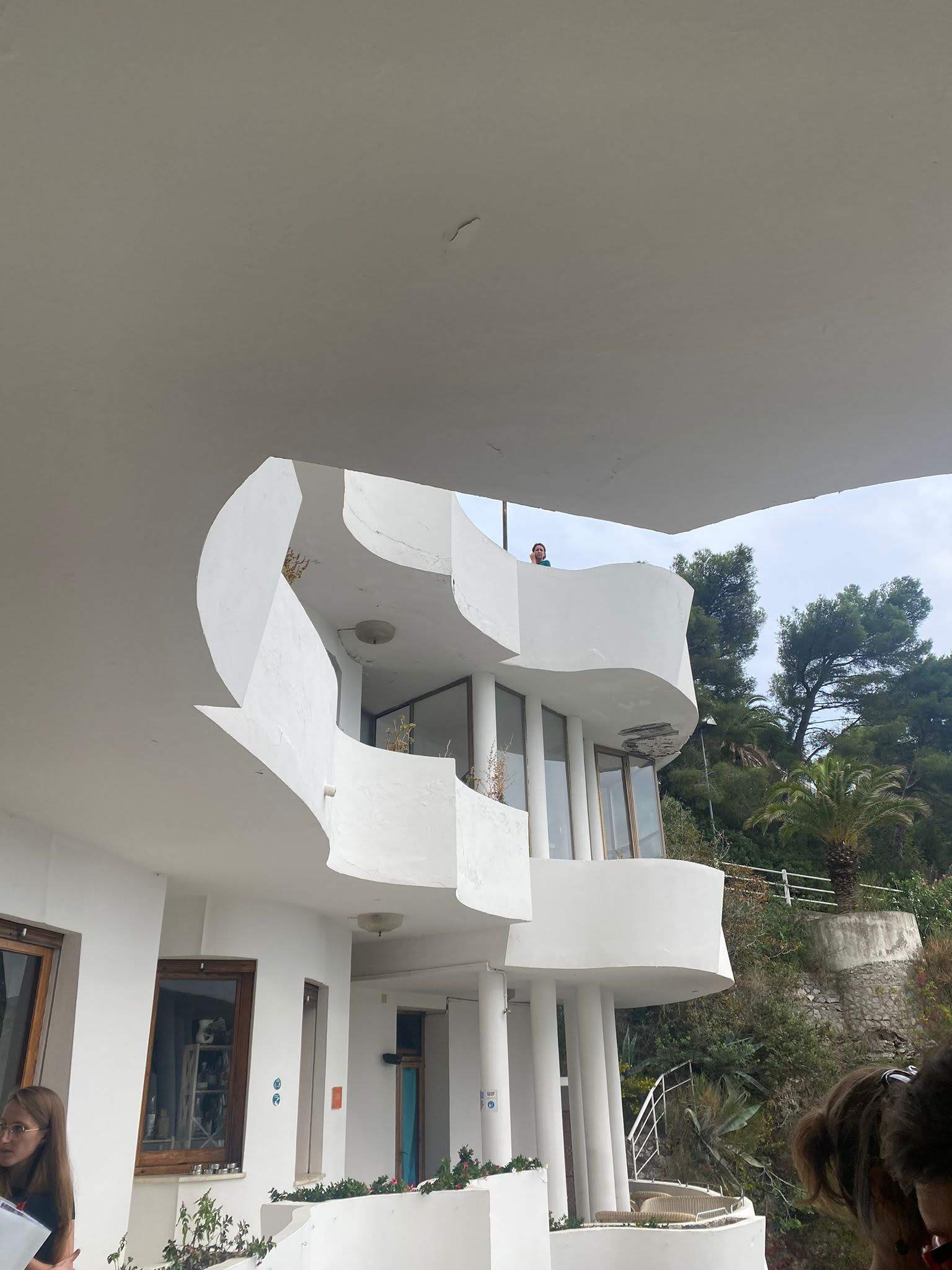

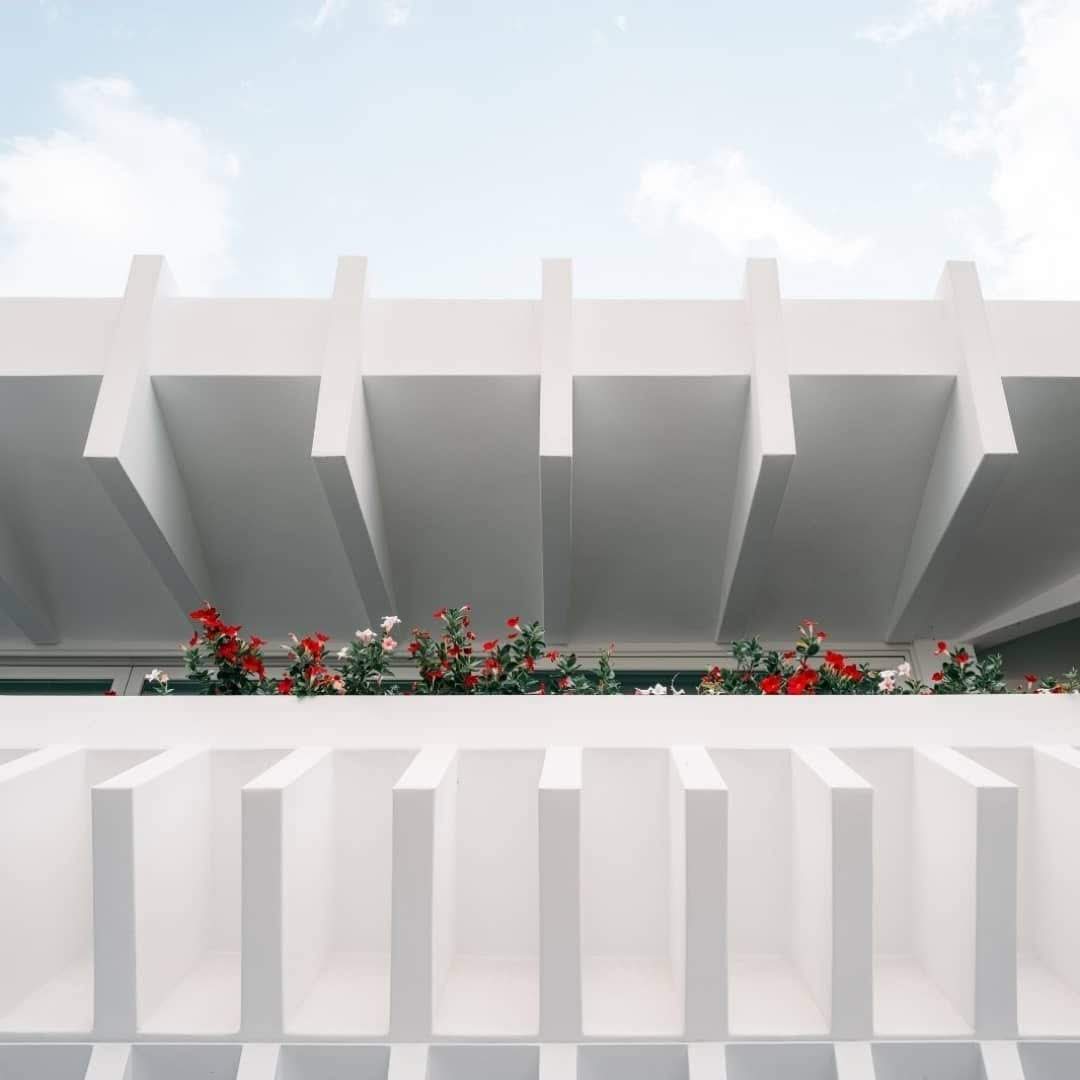
A unique and fascinating proposal that combines the beauty of nature with the discovery of Liguria's architectural heritage. The architectural trek in Torre del Mare Park in Bergeggi is designed for high school students, with a special focus on 20th-century architecture and Ligurian building development.
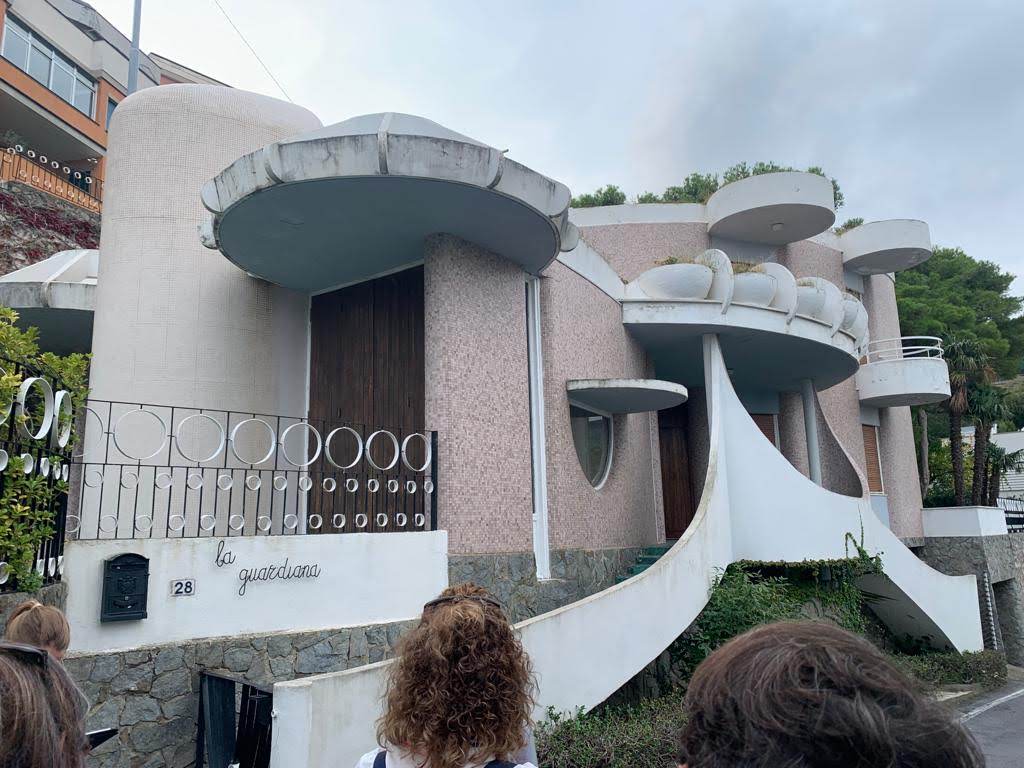
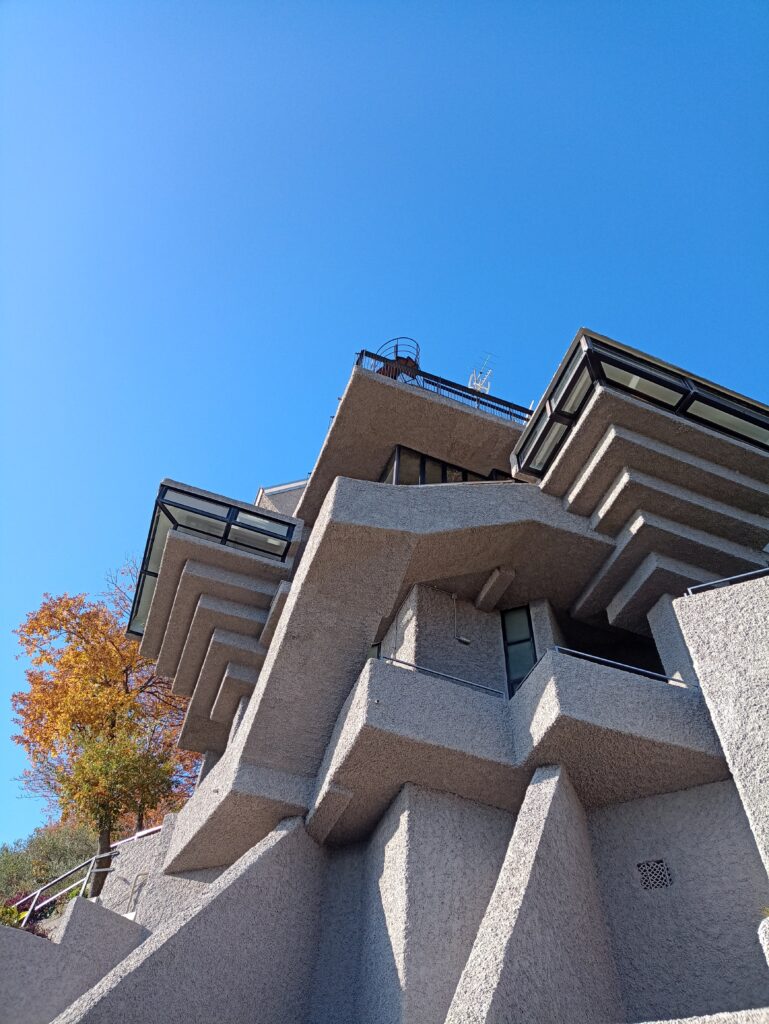
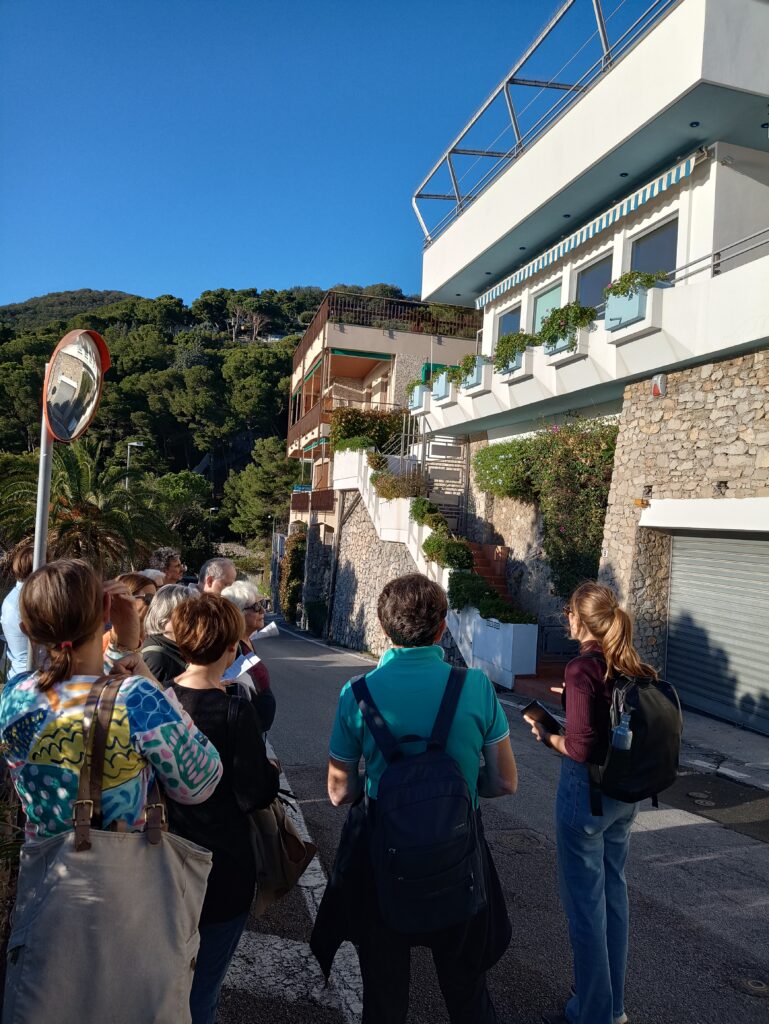
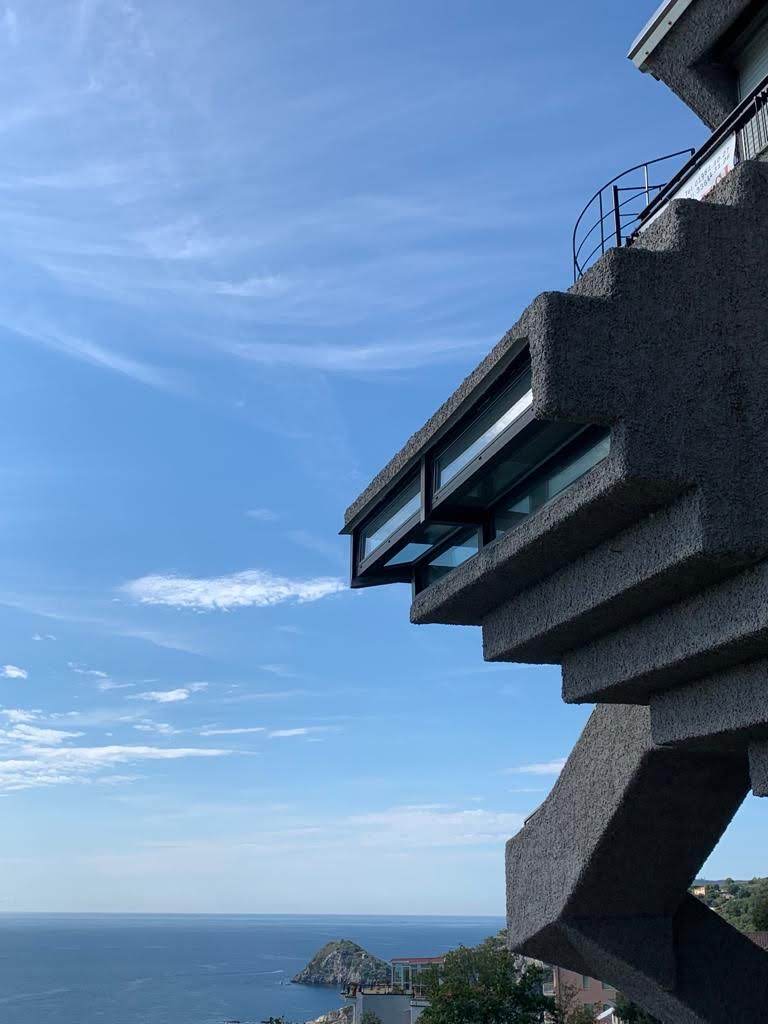
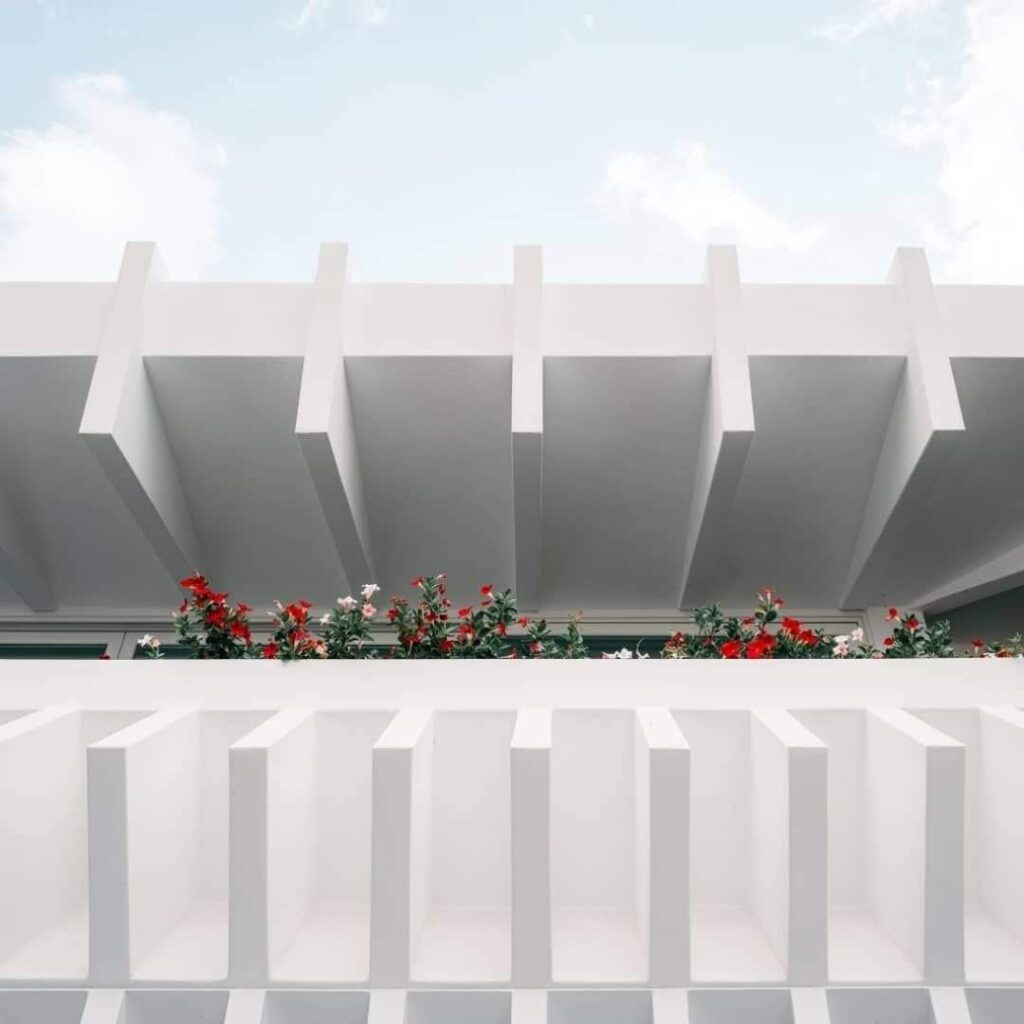
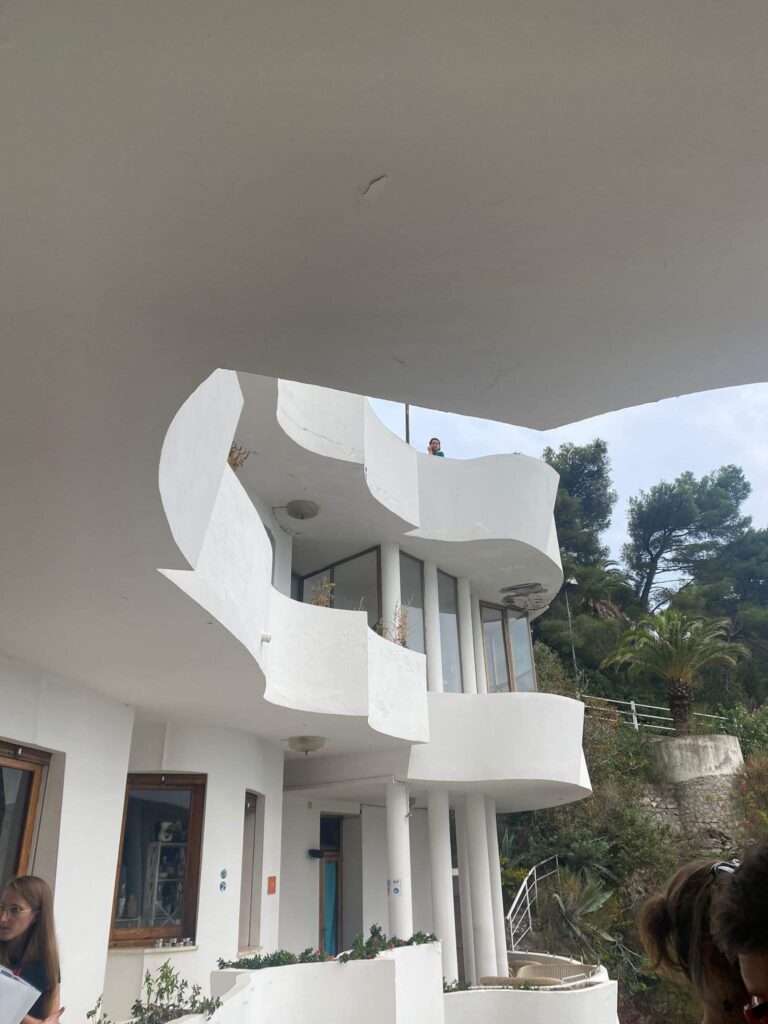
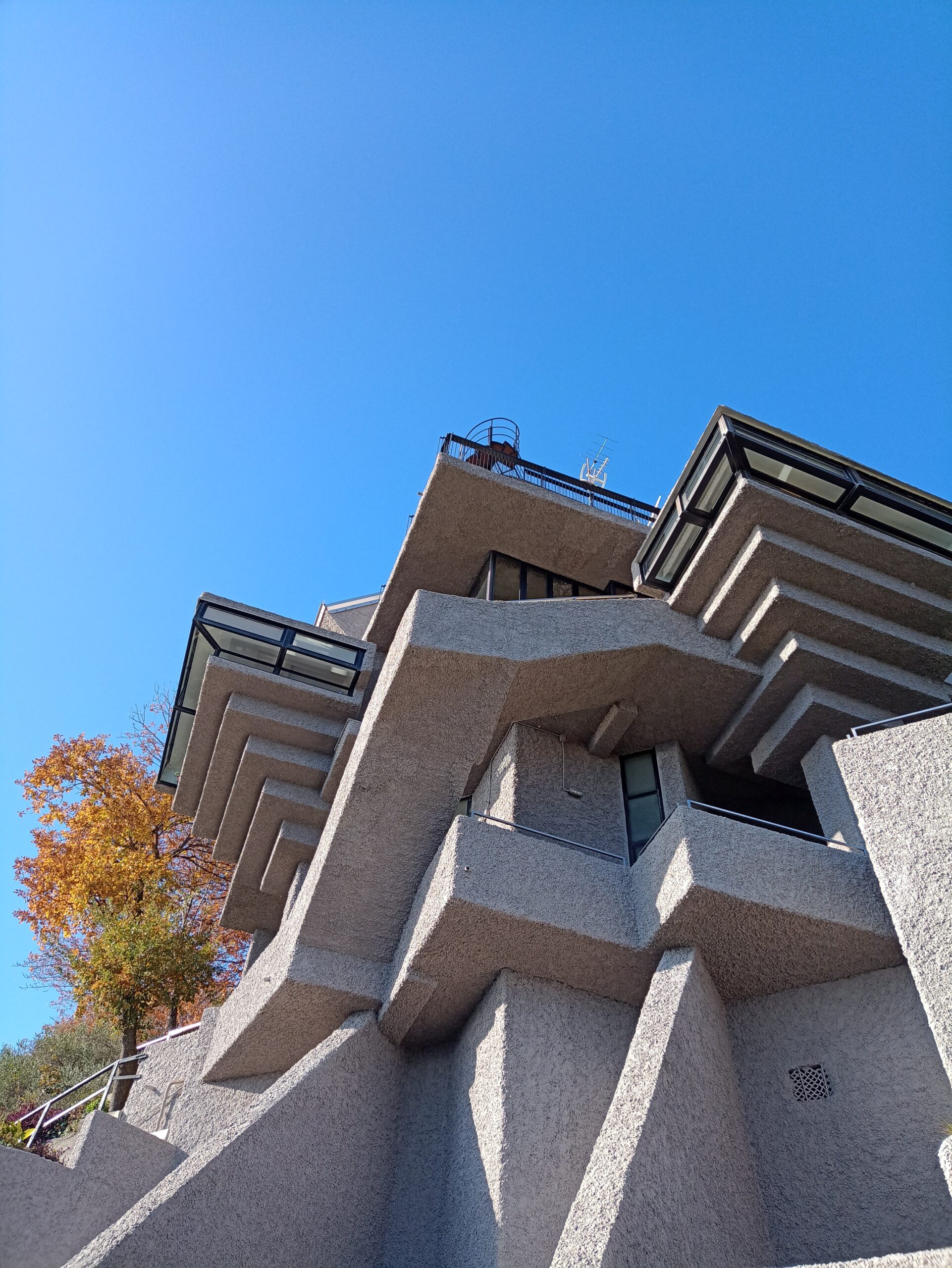
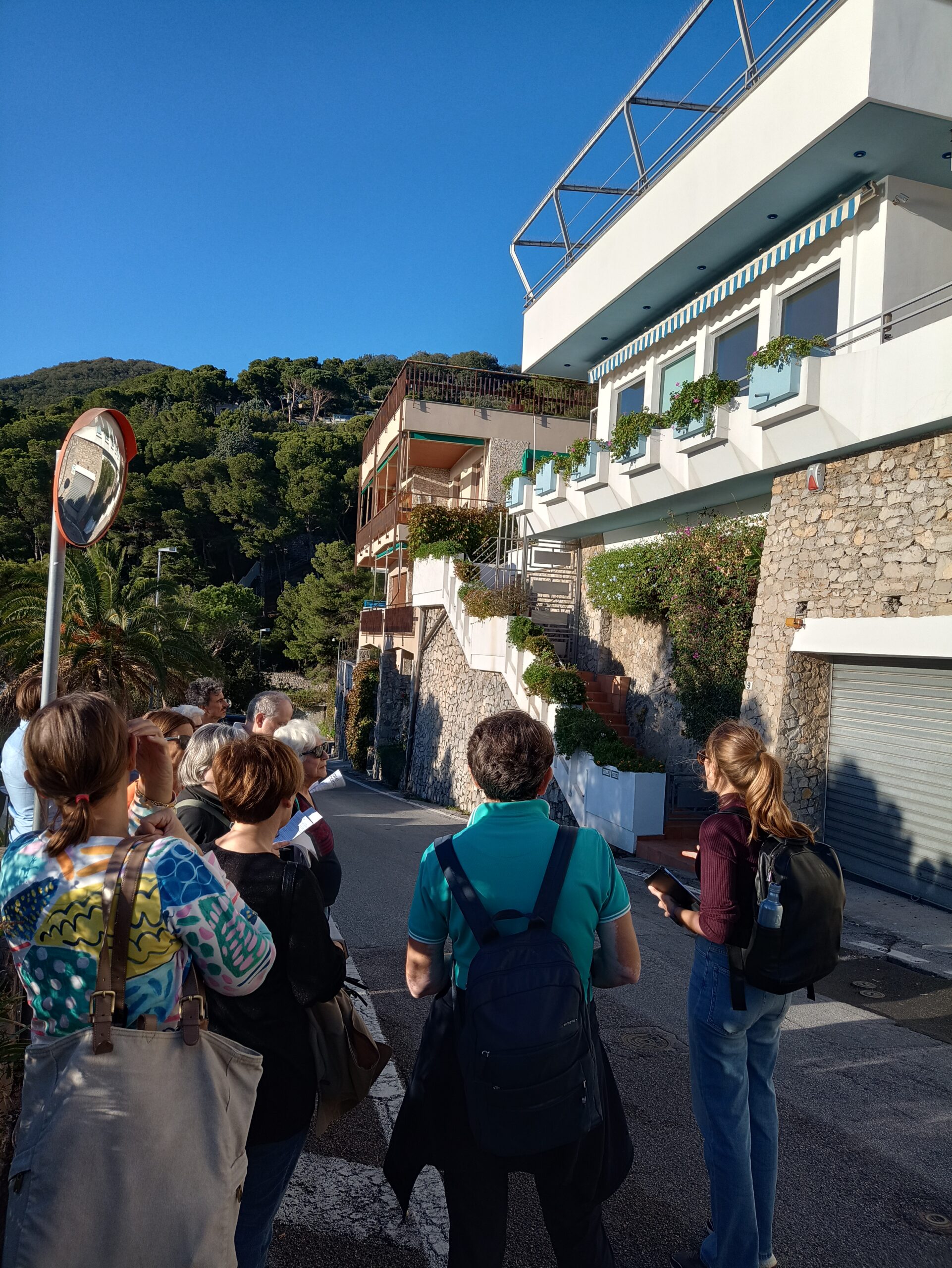
During this excursion, children will be guided by experts in the field: a tour guide and a trained architect, who will provide historical and technical insights into the villas designed by architect Mario Galvagni. These villas, built in the 1950s, tell the story of post-war Ligurian urbanization and architecture, with a focus on the dialogue between the building and its surroundings.
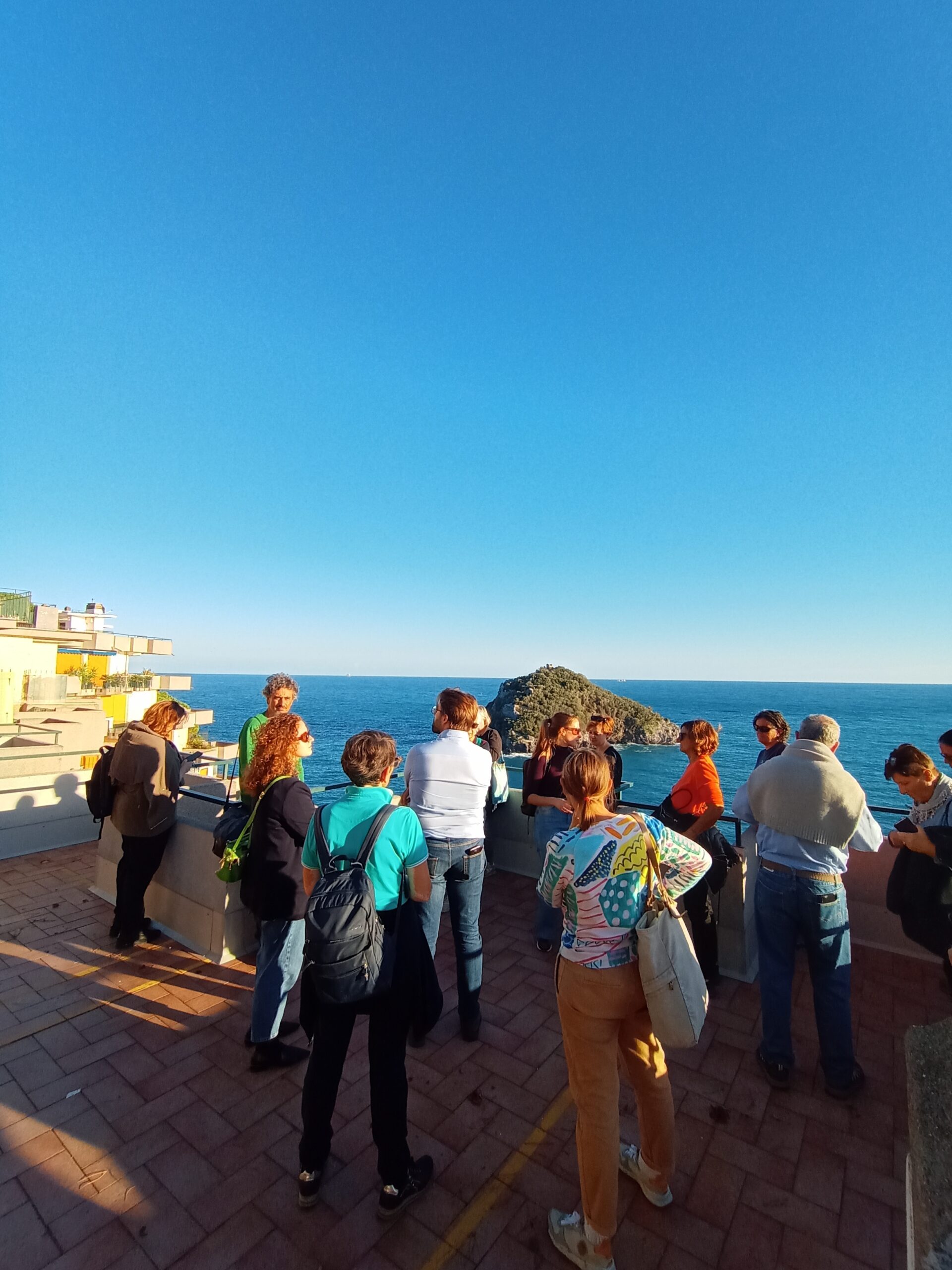
The activity includes a scenic walk in the Torre del Mare architectural park, where participants will have the opportunity to:
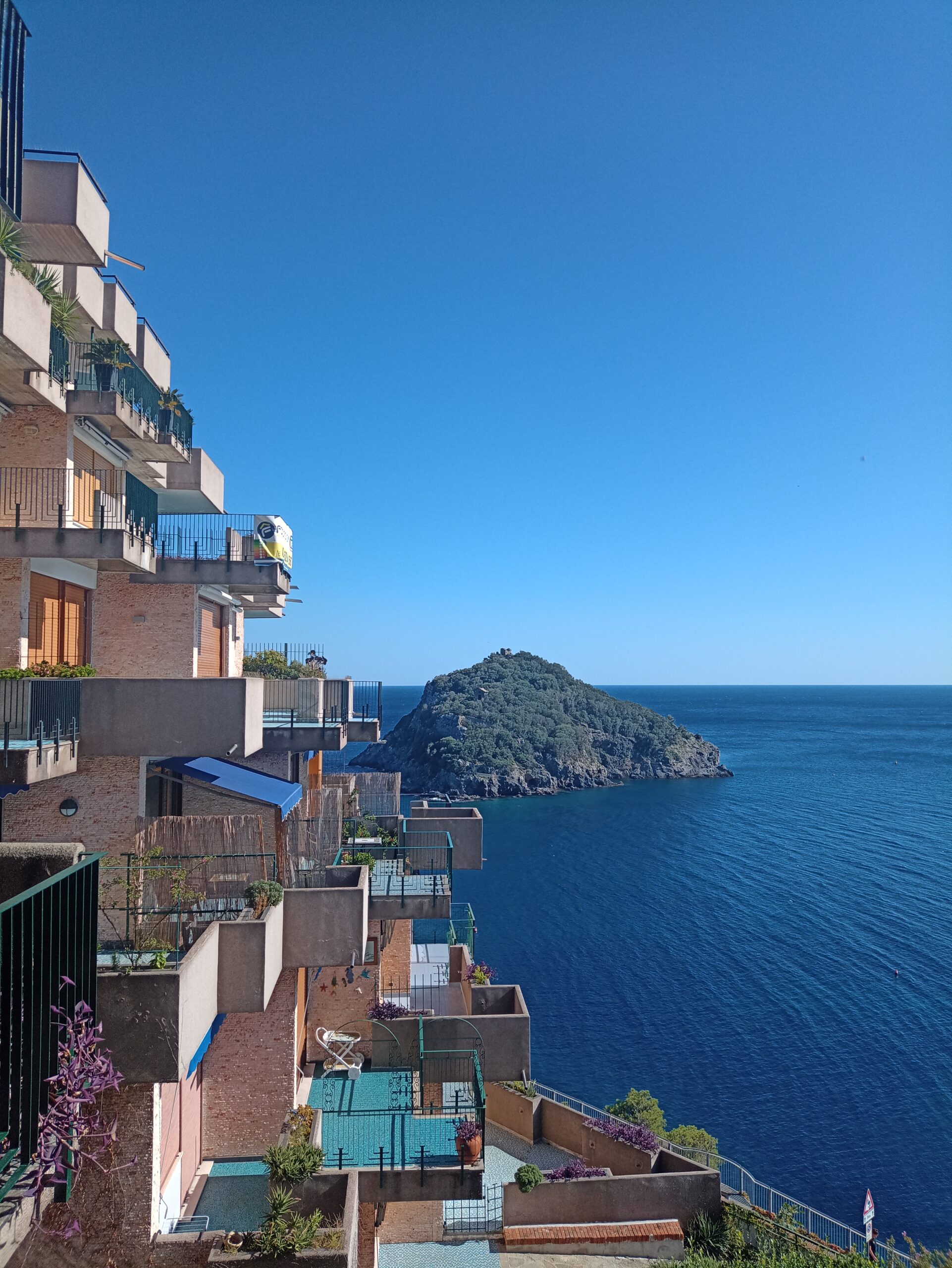
- Exploring the villas: Observe the unique features of the buildings designed by Galvagni, which reflect postwar modernity, and understand how the architecture fits into the natural context of Liguria.
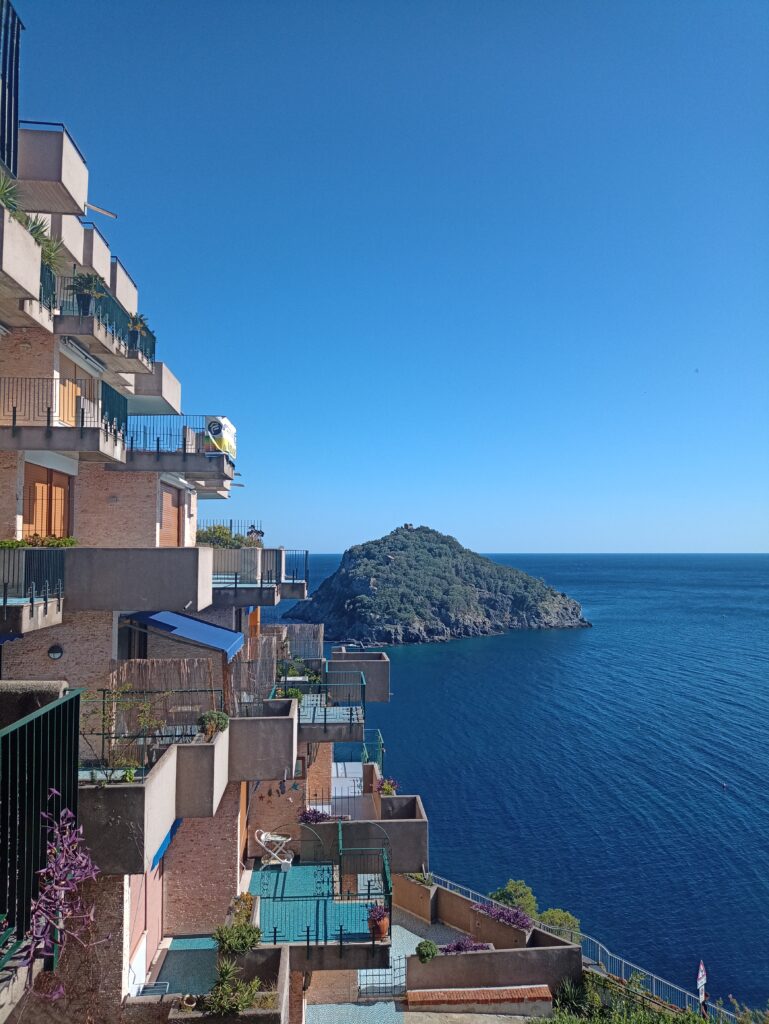
- Studying the relationship between architecture and nature: The architect will guide students to discover the design choices that allowed the structures to be harmoniously integrated with the surrounding landscape, enhancing the relationship between construction and nature.
- Delving into the evolution of Ligurian architecture.: An opportunity to discuss 20th-century architectural trends, with a focus on the modernist movement and the impact it had in the Ligurian region, particularly in the construction of seaside residences.
In addition, students will have the opportunity to engage with the architect, exploring more closely the design challenges and innovations that defined this architectural park.
This architectural trek is a true immersion in modern architecture, with a unique perspective combining history, art and nature. A thought-provoking activity about the importance of architectural heritage and the role architecture plays in shaping urban and natural landscapes.
A comprehensive educational experience, which will allow students not only to explore an area from a landscape perspective, but also to acquire critical tools for understanding the connections between architecture, history and the environment.