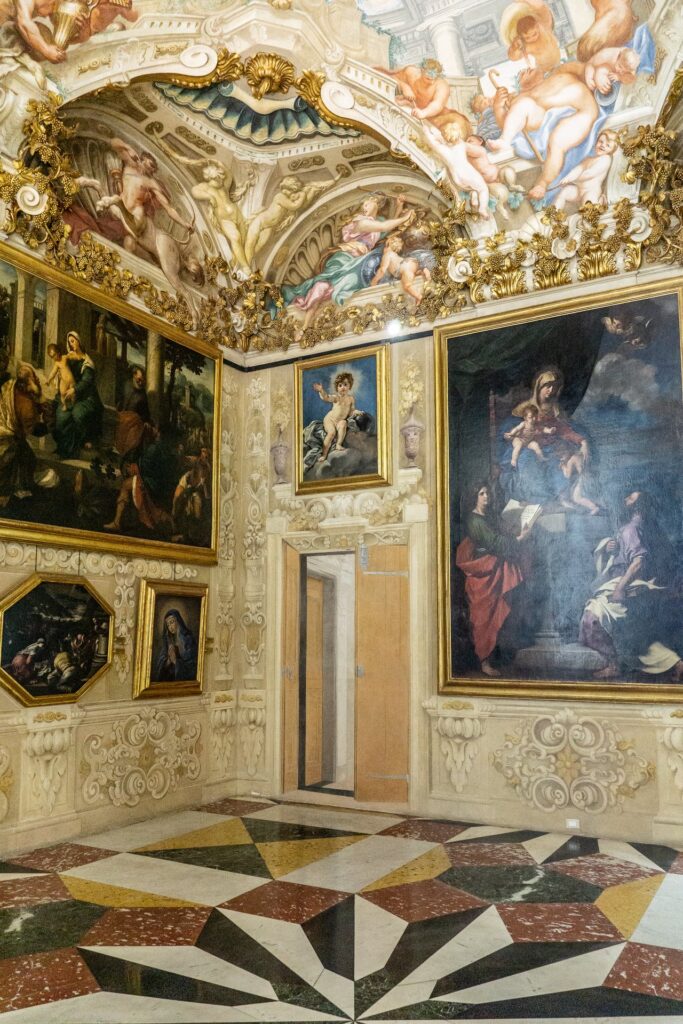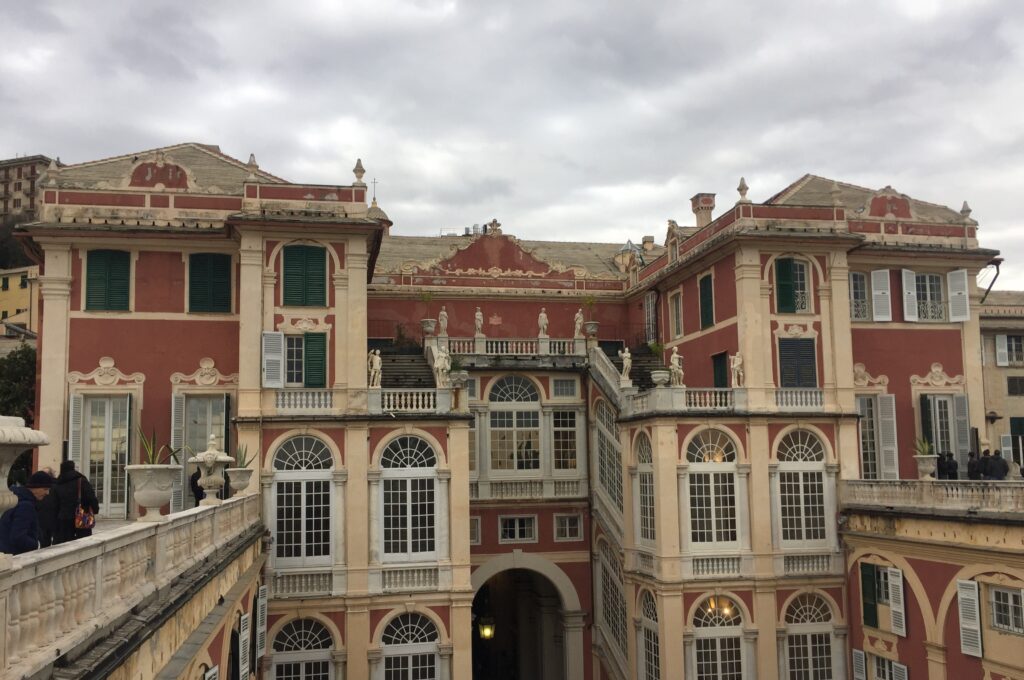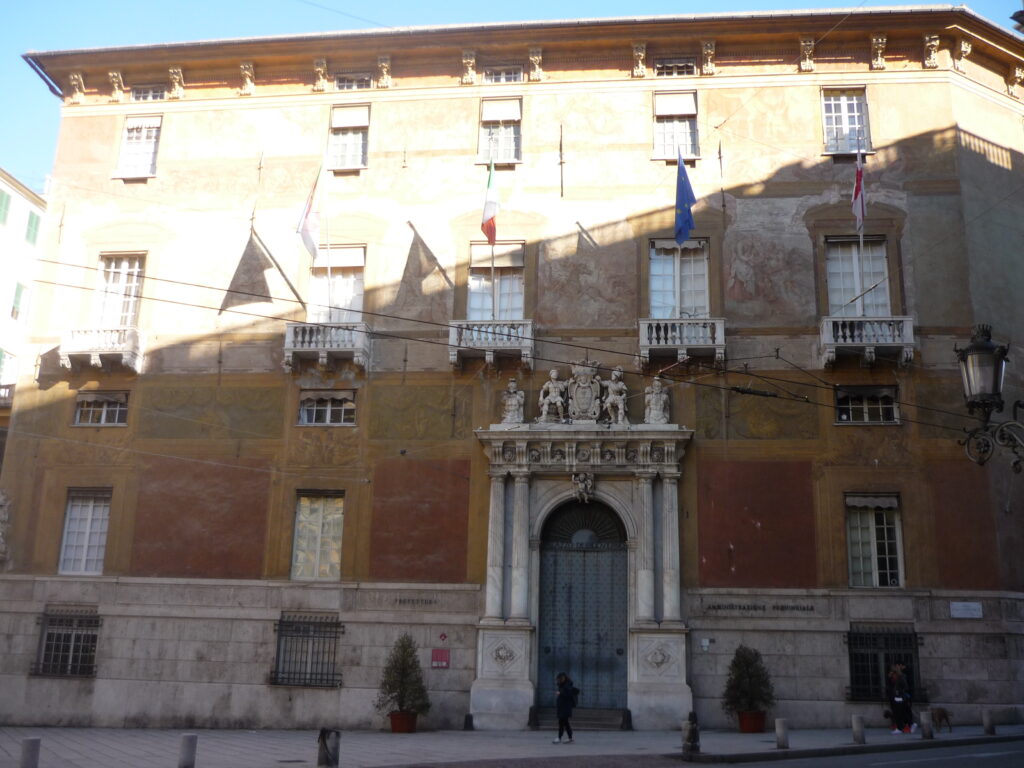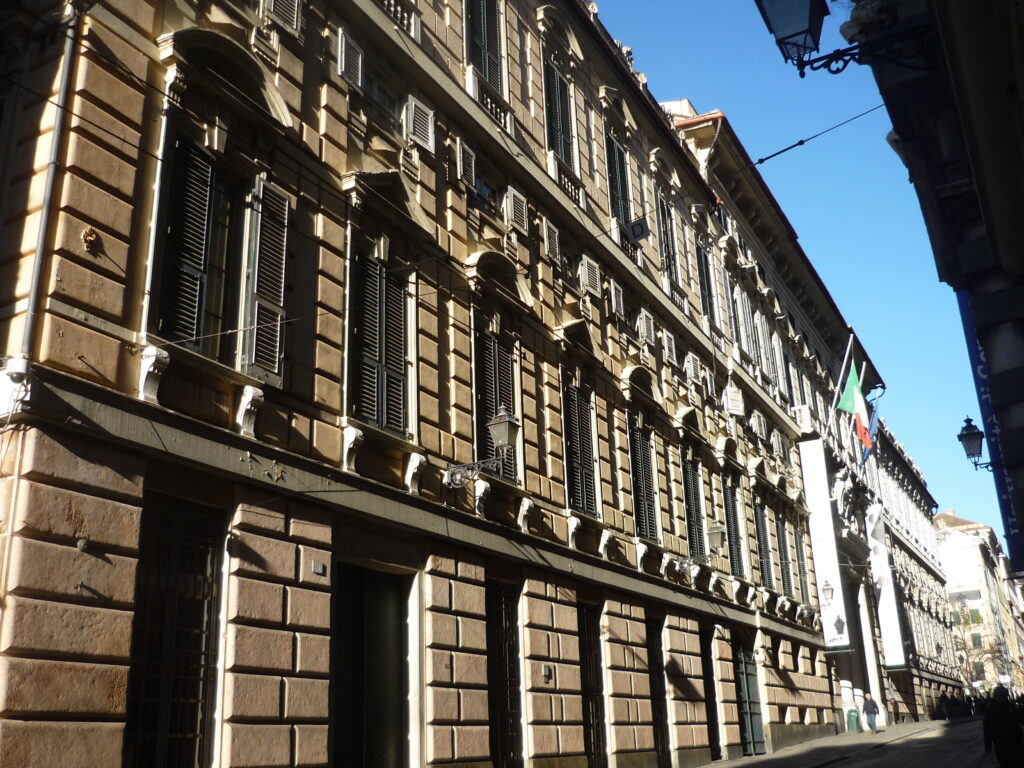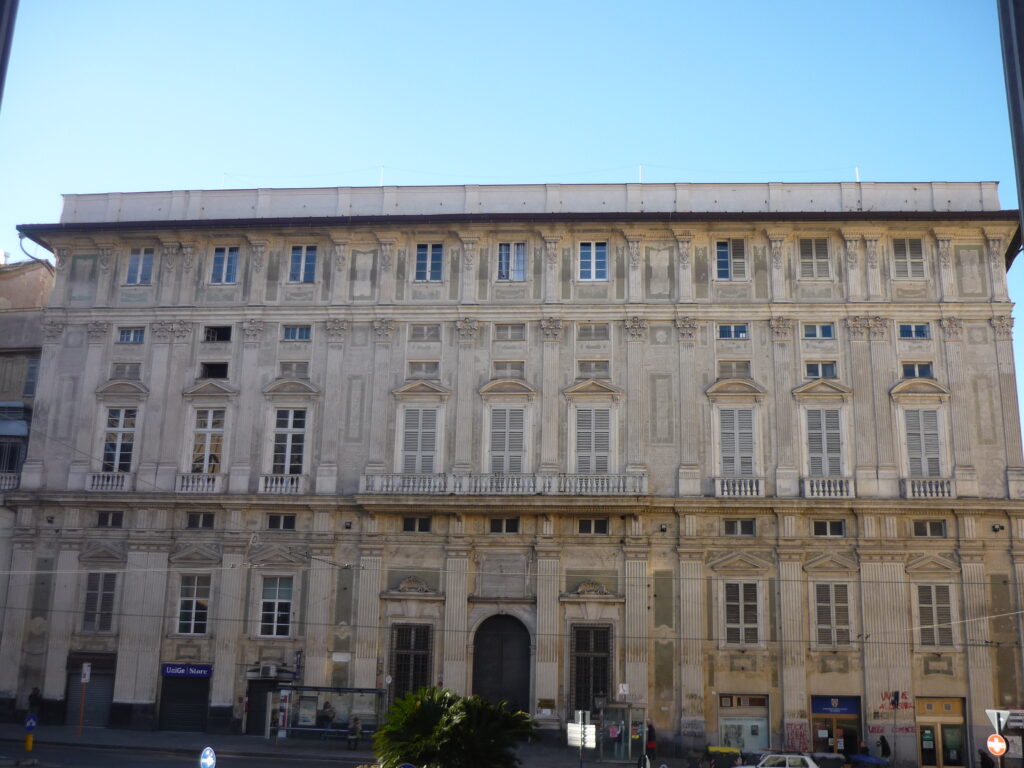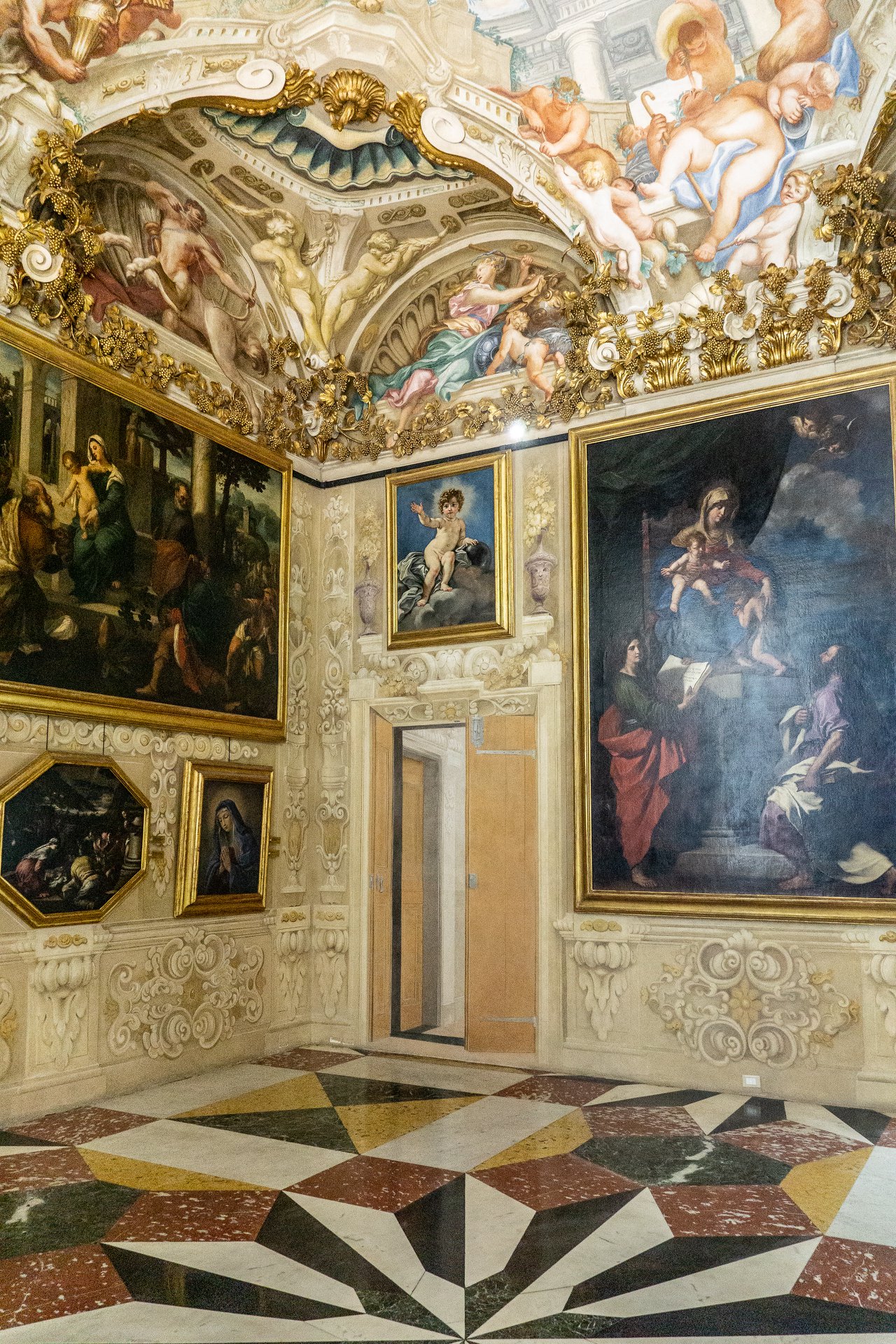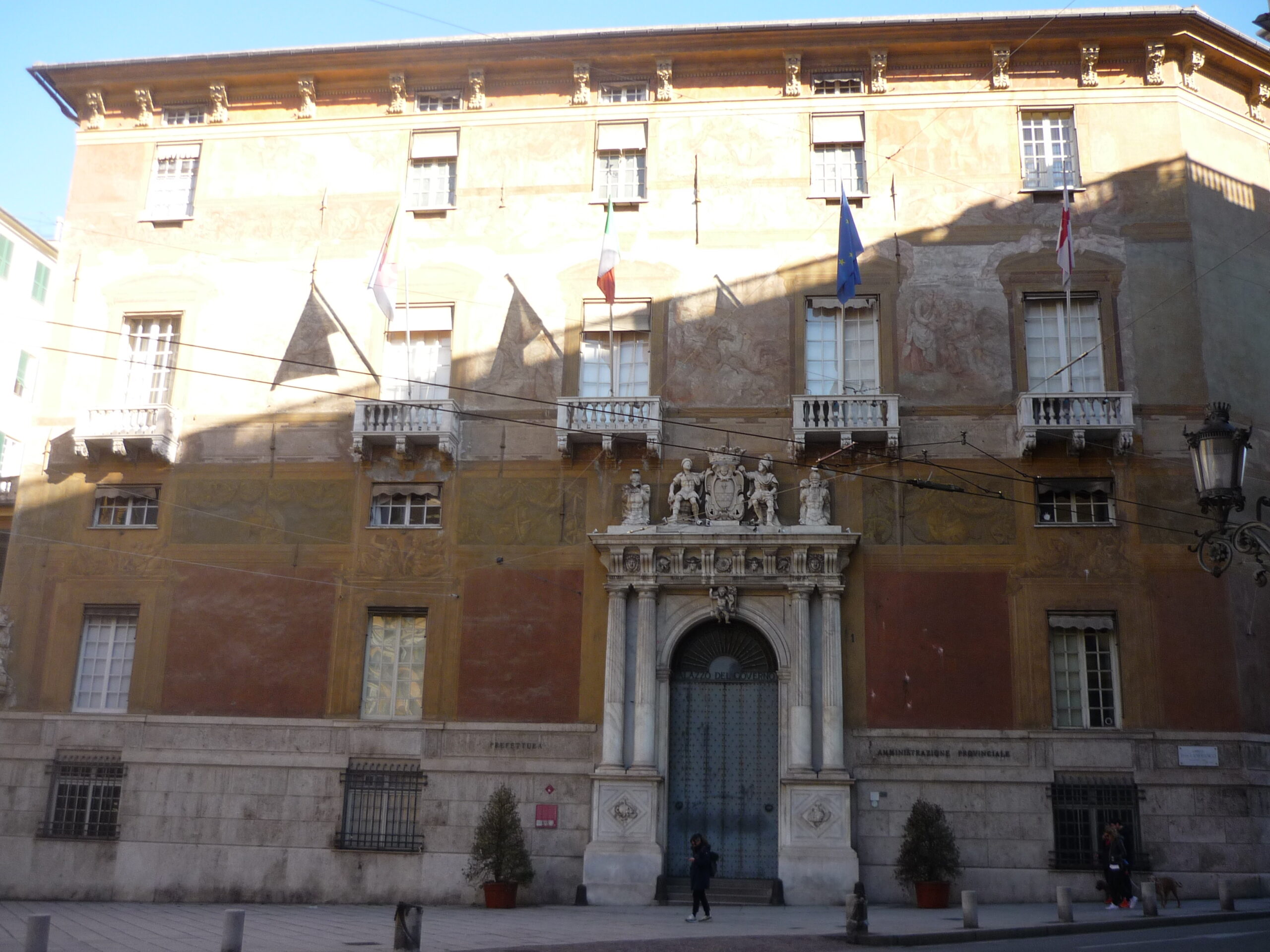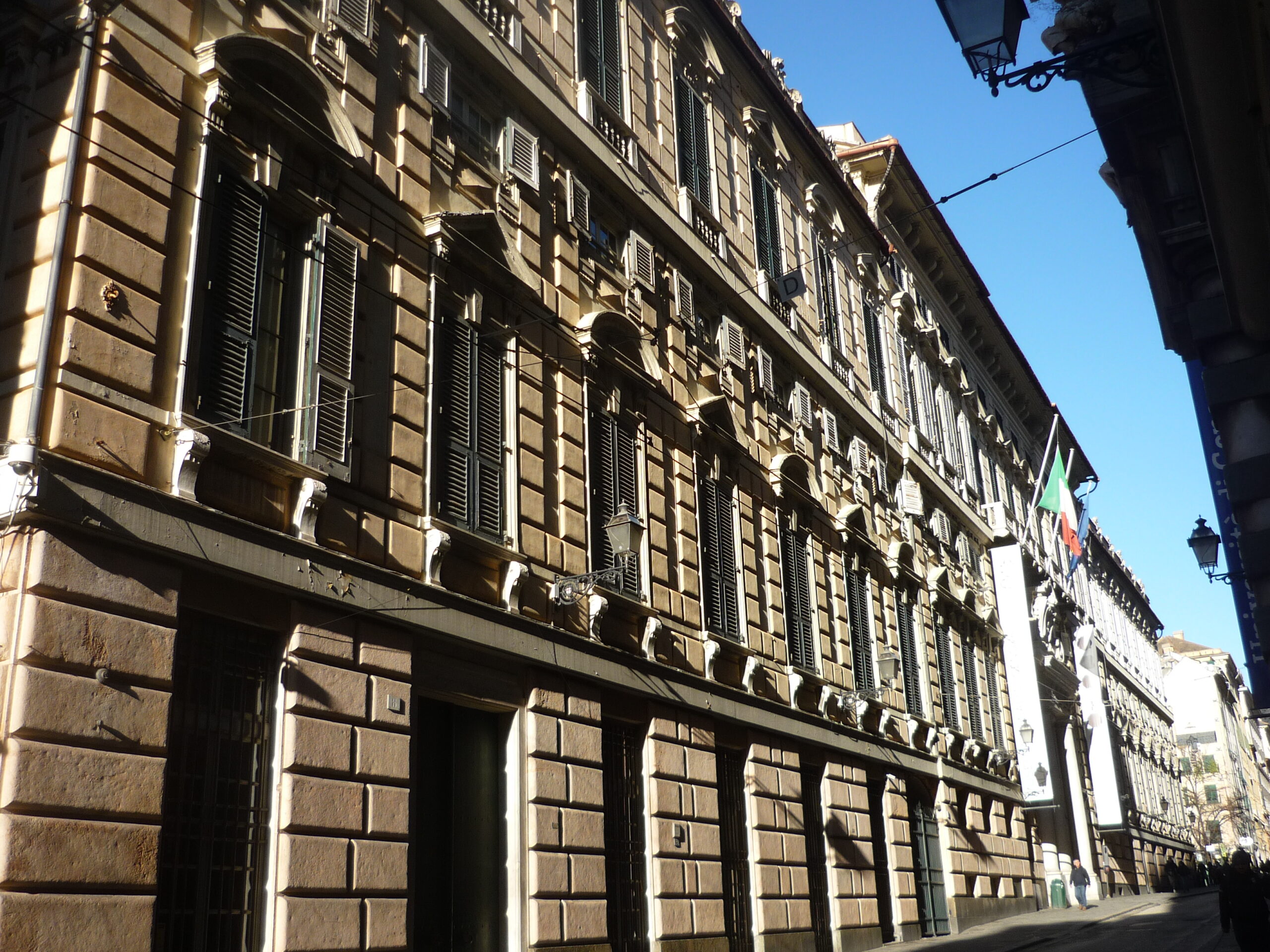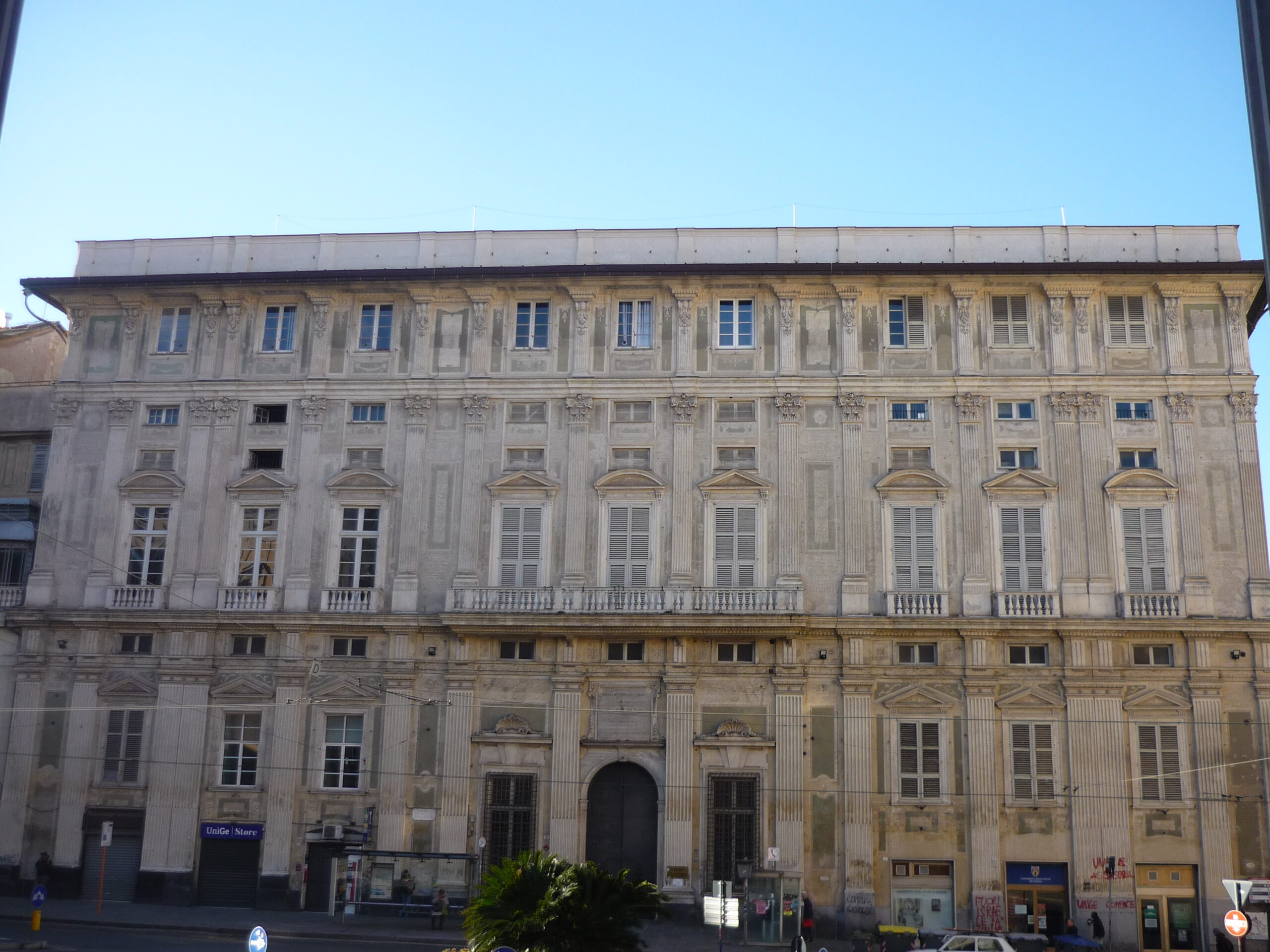

In the company of a tour guide you will discover how, starting in the mid-16th century, Genoa is enriched with magnificent palaces with facades painted or decorated with marble and stucco, solemn atriums, splendid gardens with nymphaea and fountains. With experience, passion and enthusiasm we are ready to accompany you inside! Here, among sumptuous furnishings and large frescoed halls, we feel observed by the ancient owners, portrayed by Van Dyck e Rubens; elegant ladies in silk and velvet dresses seem to be waiting for an invitation to a ball. In that period of great splendor, the seat of government, Ducal Palace, did not seem suitable for receiving state guests, so in 1576 the Senate gave birth to the “Rolli degli alloggiamenti pubblici,” actual lists (rolli) that enumerated the main aristocratic palaces in the city. Owners were required to receive dignitaries, diplomats and aristocrats visiting the Republic in their residences, drawn by lot from time to time; it was a great honor but also a burden, as they had to bear all expenses. The palaces were divided into three categories, or “bussoli,” to which corresponded a different degree of dignity of the guests.
I palaces of the Rolli are found along the New Roads, such as Garibaldi Street (also known as New road o via Aurea) e via Balbi. Other palaces of the Rolli are scattered throughout the historic center. Many are Unesco World Heritage Site. With our Genoa guide we can also visit the interiors of some of the palaces of the Rolli:
- Red Palace, White Palace e Grimaldi - Doria -Tursi Palace
- Spinola Palace of Furs. Located in the heart of the downtown was included in the Rolli system at the end of the 16th century. Palazzo Spinola is configured as a valuable example of an aristocratic housing model in which the first noble floor is dominated by the seventeenth-century guise due to the Grimaldi and Pallavicino families, while the second is characterized by the eighteenth-century renovation carried out by Maddalena Doria Spinola. Between frescoes and furnishings, textiles and oriental porcelain, we will guide you through a succession of spaces that house one of the most relevant historical picture galleries in the city. Among masterpieces by Van Dyck, Rubens and Antonello da Messina, we will discover unexpected environments such as the elegant gallery of mirrors, the kitchens located in the mezzanines, and singular objects such as the veilleuses, with a curious animal shape. The top two floors of the building house the National Gallery of Liguria With paintings, ceramics, sculptures, furniture objects.
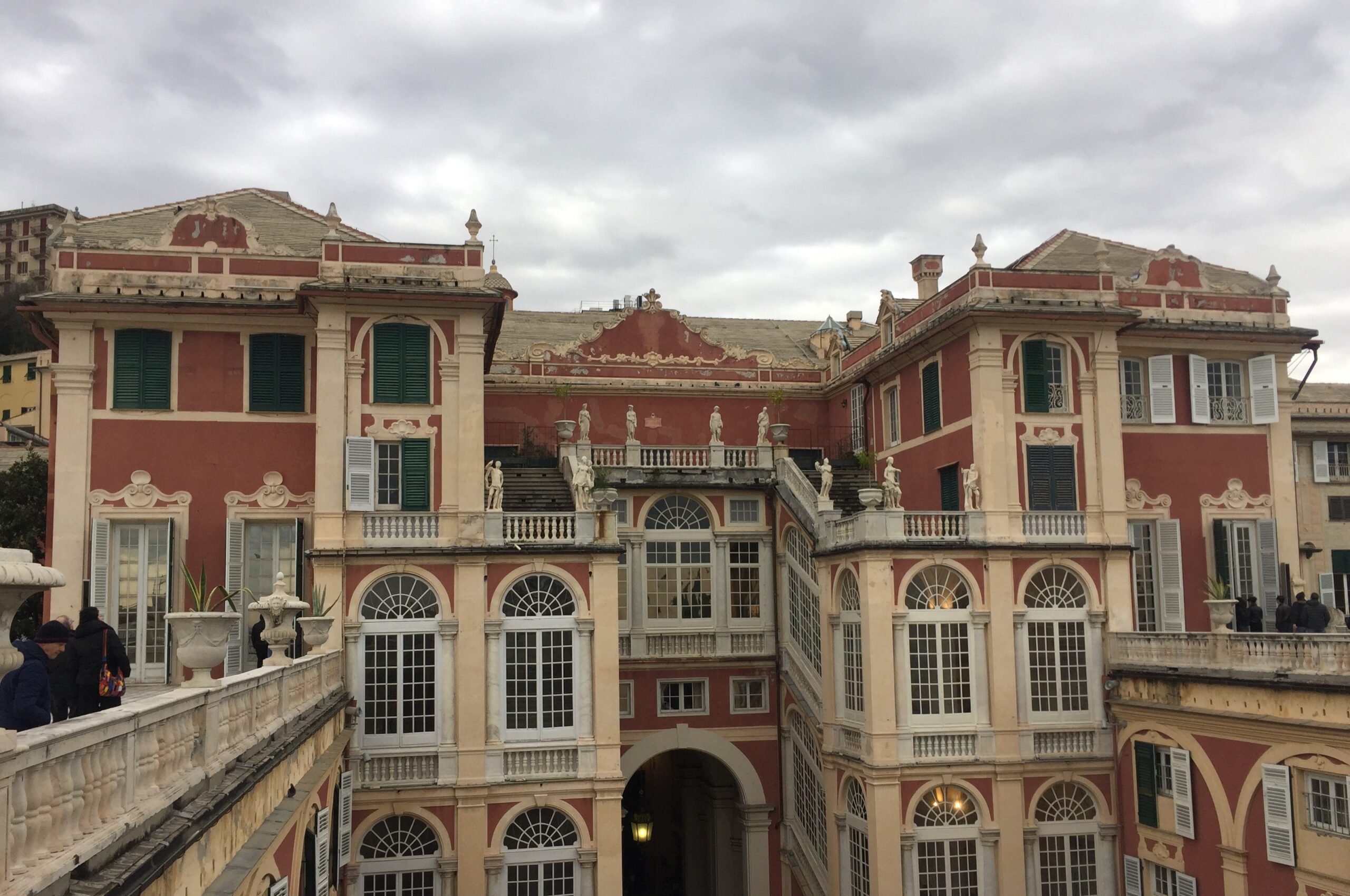
- Royal Palace. The Royal Palace of Genoa is a mansion-museum that includes assets of the patrician families who built and inhabited it, furnishing and enriching it over the centuries. The first owners, the Balbi, acquired in the seventeenth century the masterpieces still found in the sumptuous rooms of the second Piano Nobile. In the eighteenth century the Durres, enlightened patrons, made the palace even more beautiful; finally in the 19th century the Savoy transformed it into a palace. Visiting the interiors, with picture galleries, collections of sculptures, precious marbles and fabrics, fine cabinetry and crystal chandeliers, and the exteriors-the terraces and roof garden-will feel as if we were living for a few moments with the former owners.
The vaults of the lounges and galleries are frescoed by some of the most important names in Baroque and Rococo decoration. Splendid is the throne room: Two masterpieces by Luca Giordano and works by the great British cabinetmaker Peters stand out among velvets and gilding. The Gallery of Mirrors, once used as a dining room when visiting monarchs and ambassadors, is the most scenic room in the Palace. Gorgeous sculptures inspired by Ovid's Metamorphoses immerse us in mythology: Daphne transformed into a laurel tree to escape Apollo's sights, Narcissus pining in self-love until he mutates into a flower, the rape of Proserpine.
The itinerary can be enriched by visiting another museum or a suburban villa Of the Genoese nobility.
It is possible to arrange visits to the Rolli palaces for the schools on educational trips Genoa.