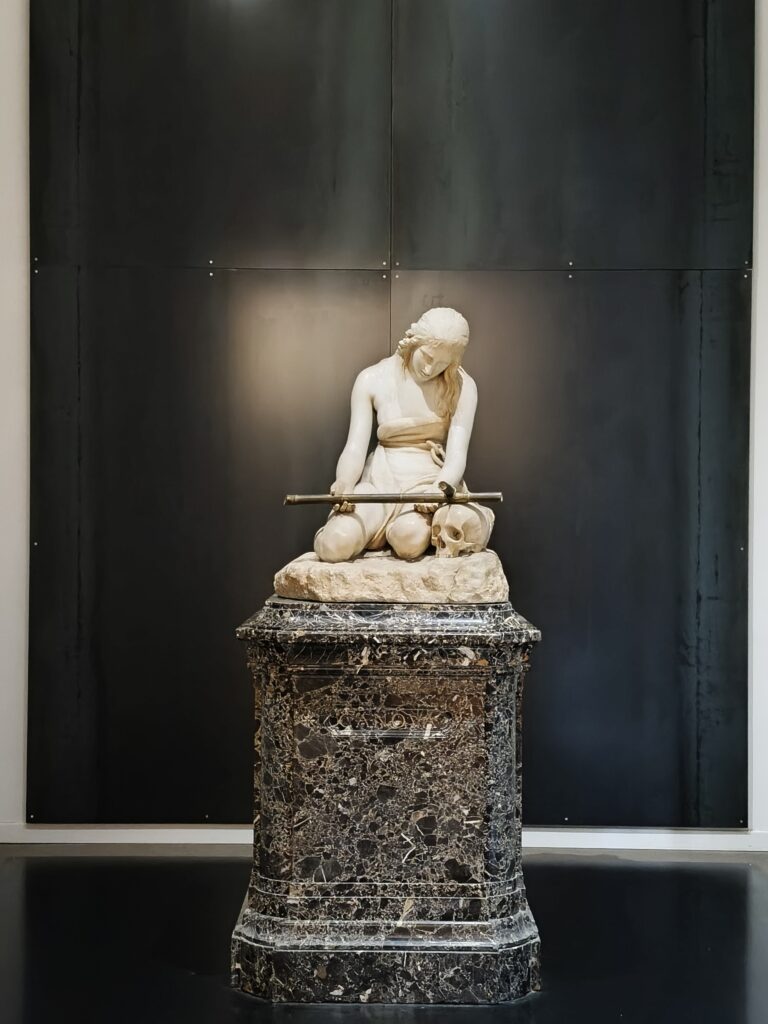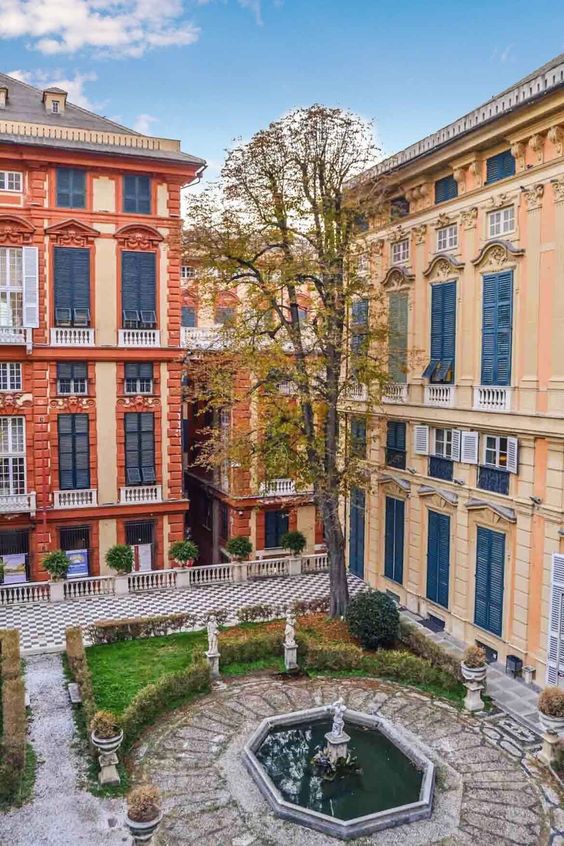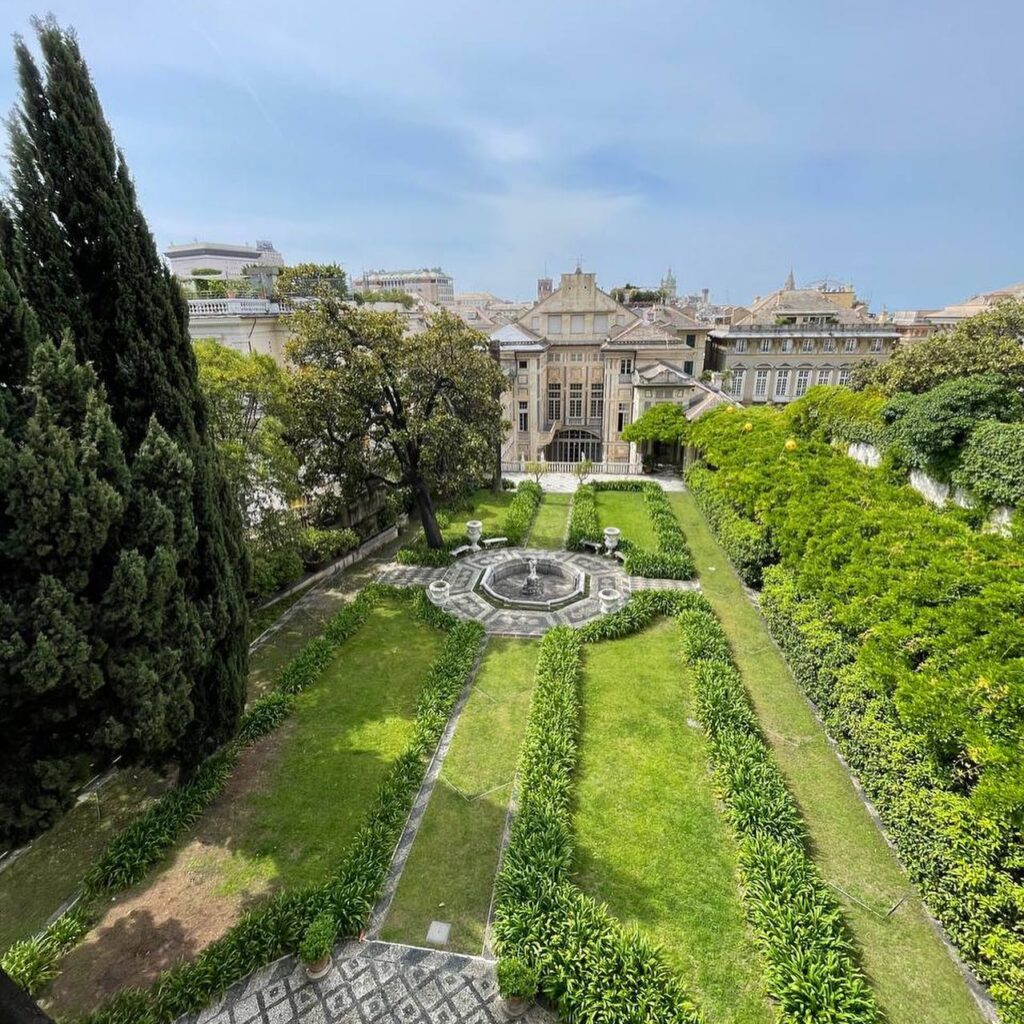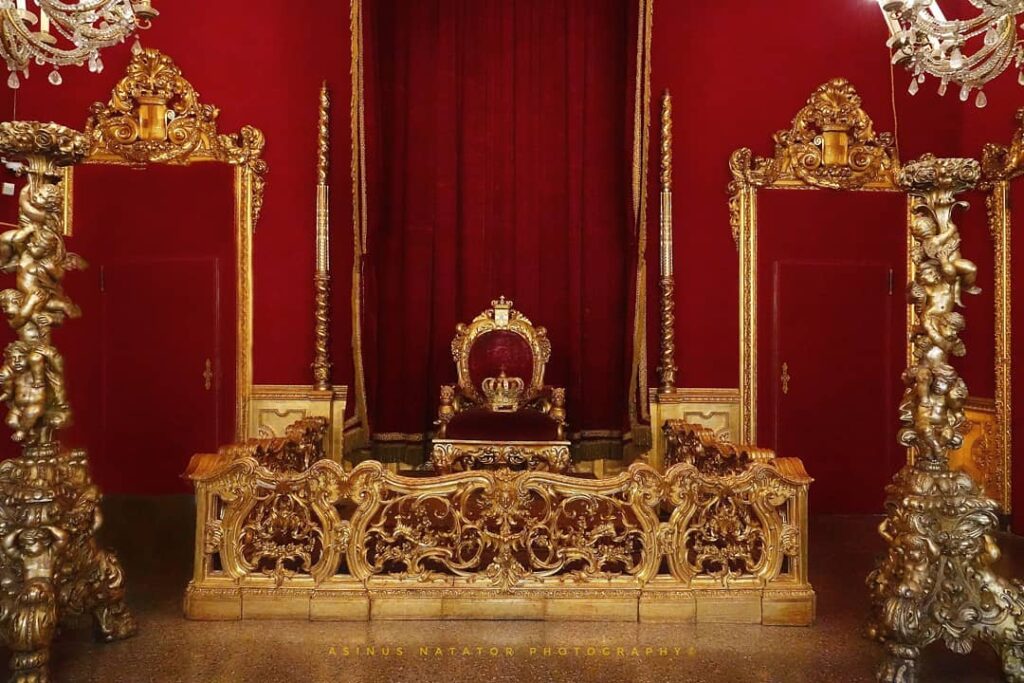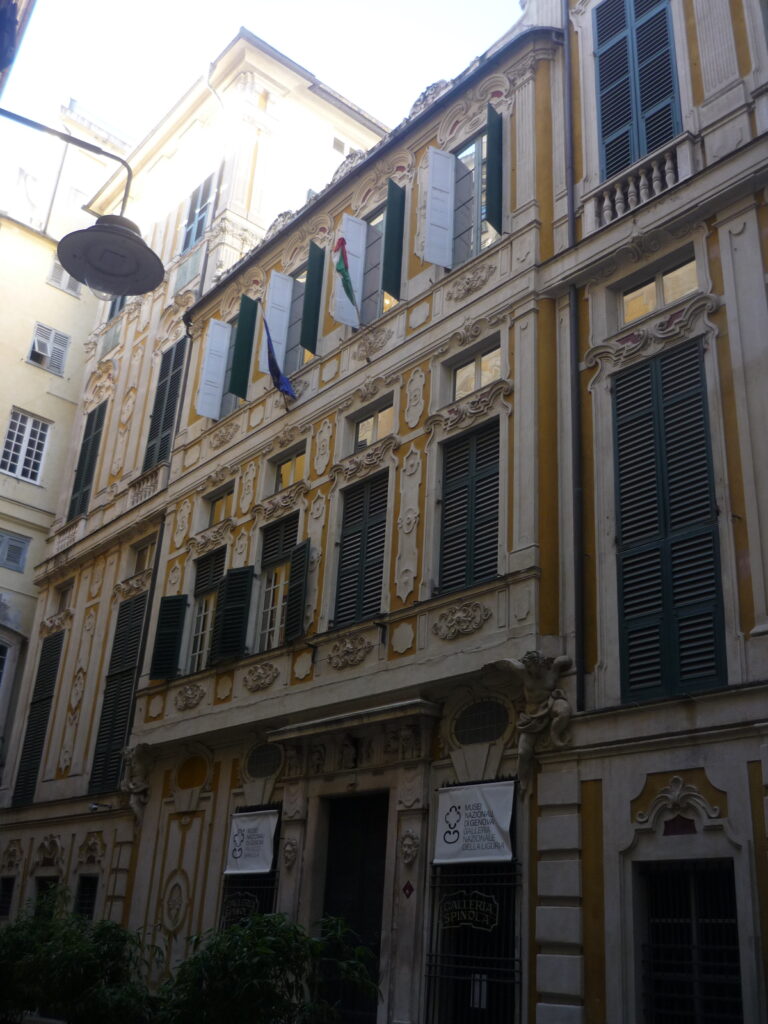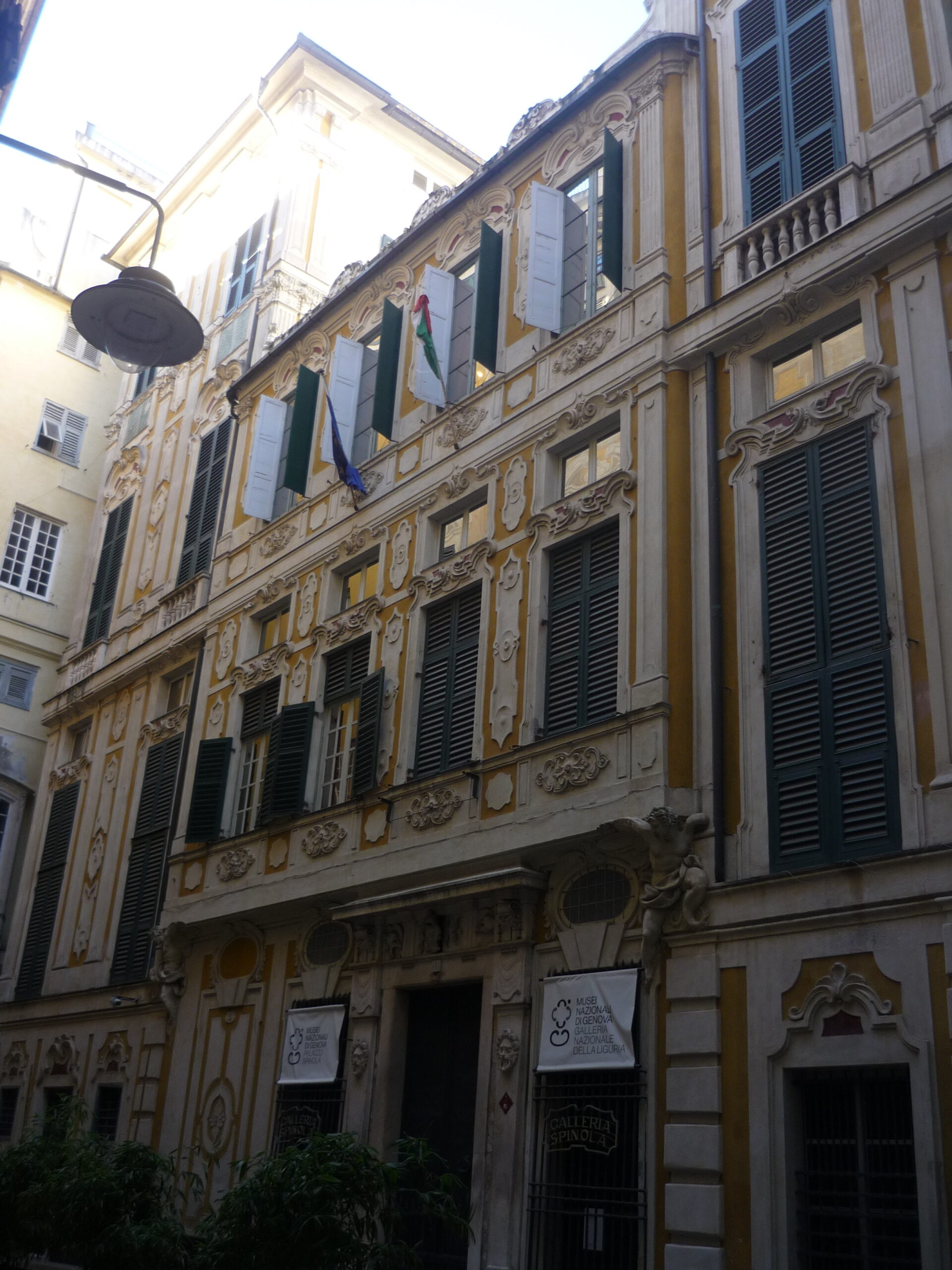

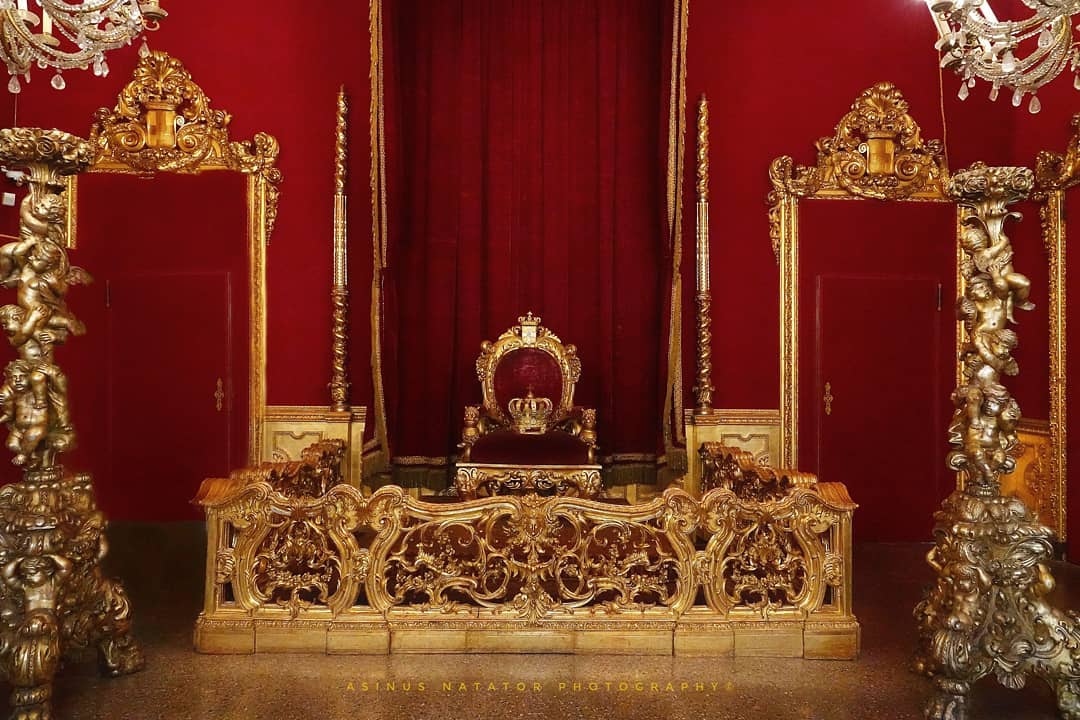
Find out together with one of our tour guide the vast museum offerings of Genoa: Alongside the network of civic museums, consisting of more than 20 venues, there are also two state museums-Museum of Palazzo Reale and National Gallery of Palazzo Spinola-and a number of private facilities:
- Strada Nuova Museums (Red, White and Grimaldi palace - Doria -Tursi)
- Nervi Museums, reachable by a coach tours.
- Staglieno Cemetery, a true museum of Ligurian sculpture between the 19th and 20th centuries.
- Diocesan Museum. The Diocesan Museum, in the heart of the downtown, is housed around a splendid cloister in the complex built in the late 12th century as the residence of the Canons of the Cathedral. On display are archaeological artifacts, important sculpture groups, ancient textiles, silverware, bright gold backgrounds and the famous funeral monument of cardinal Luca Fieschi, a unicum in 14th-century sculptural art. The museum also houses the Passion Cloths, exceptional in rarity and value; they were painted in 1538 on linen fabric dyed with indigo blue and are believed to be forerunners of the popular canvas of Genoa, otherwise known as jeans.
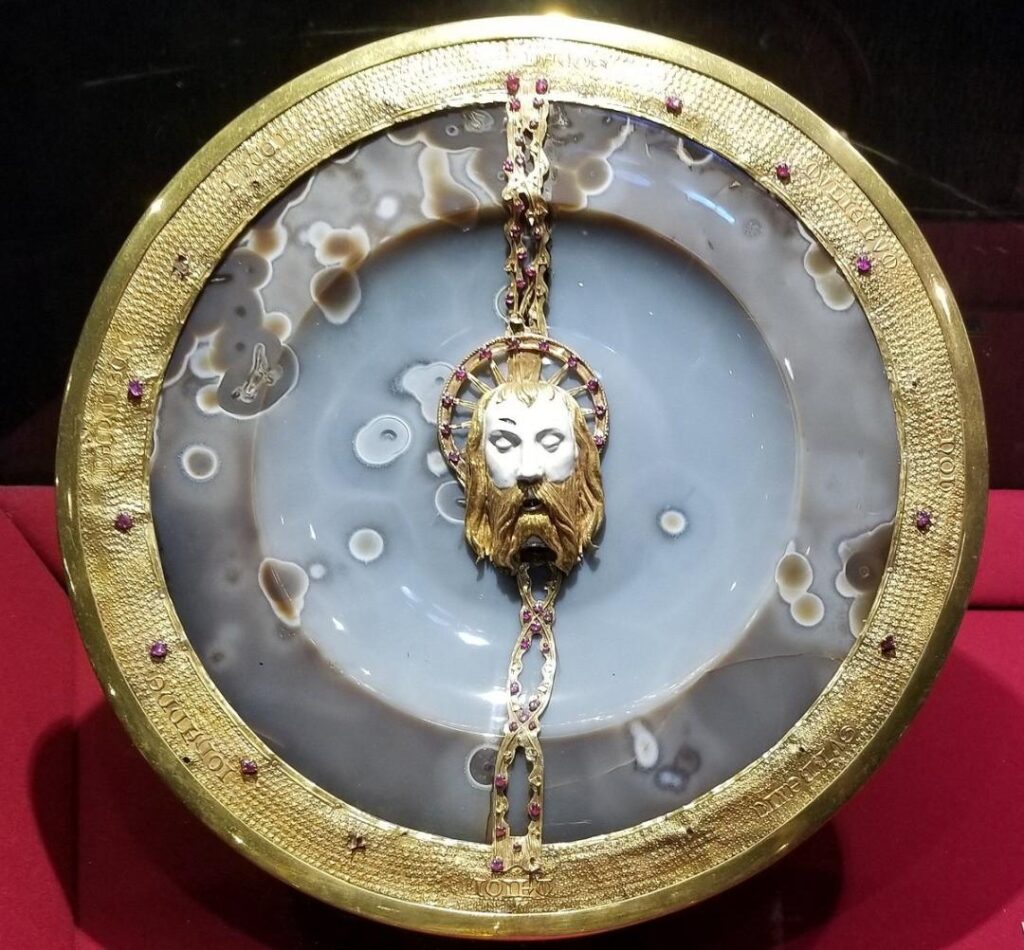
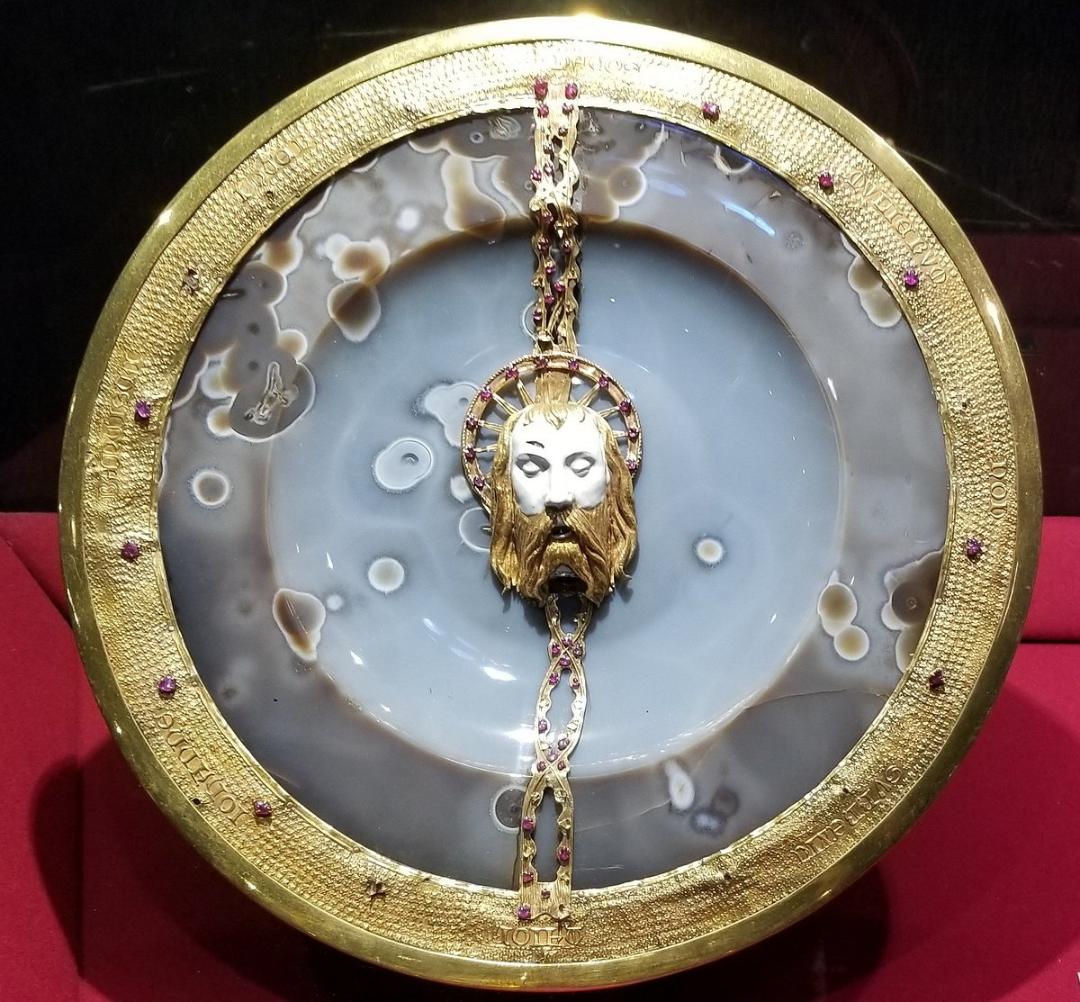
- Museum of the Treasury of the Cathedral of San Lorenzo. In the underground rooms of the Cathedral of St. Lawrence masterpieces of goldsmithing and silverware from the medieval, Renaissance and Baroque periods are on display in an impressive space. Among the most famous pieces we will discover the Zacharias Cross, in which a relic of the Cross of Christ is set, the Ark of the Ashes of St. John the Baptist, and the so-called Sacred Basin, shrouded in legends and mysteries: one tradition holds that it is the Holy Grail, the dish used by Jesus during the Last Supper.
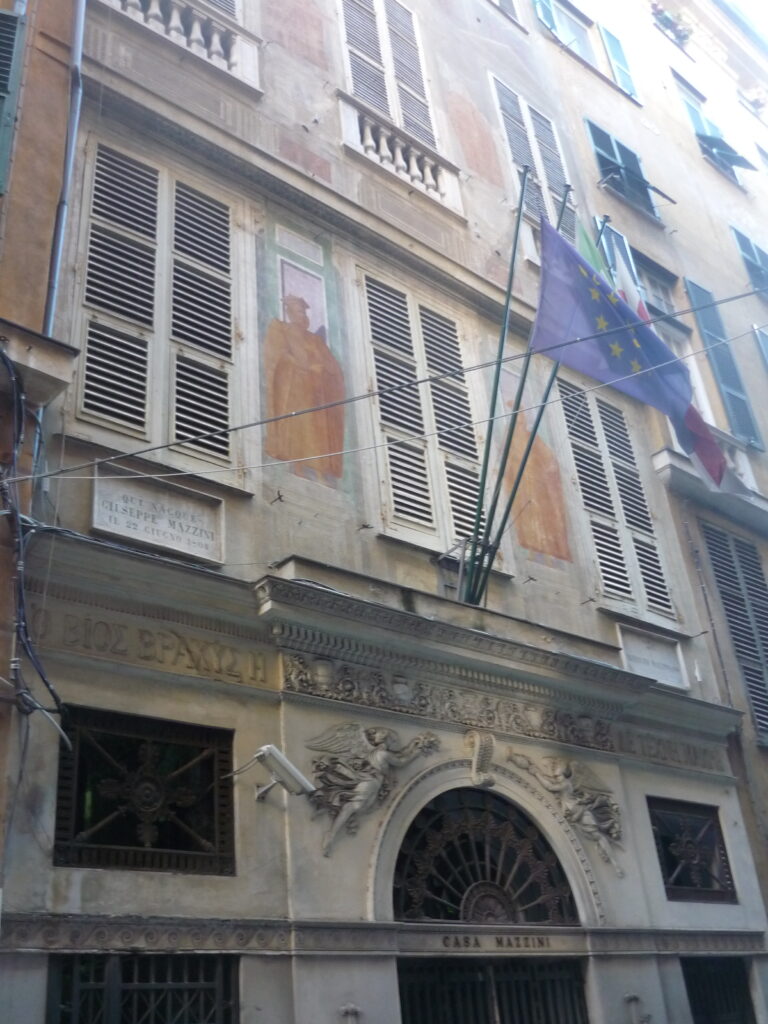
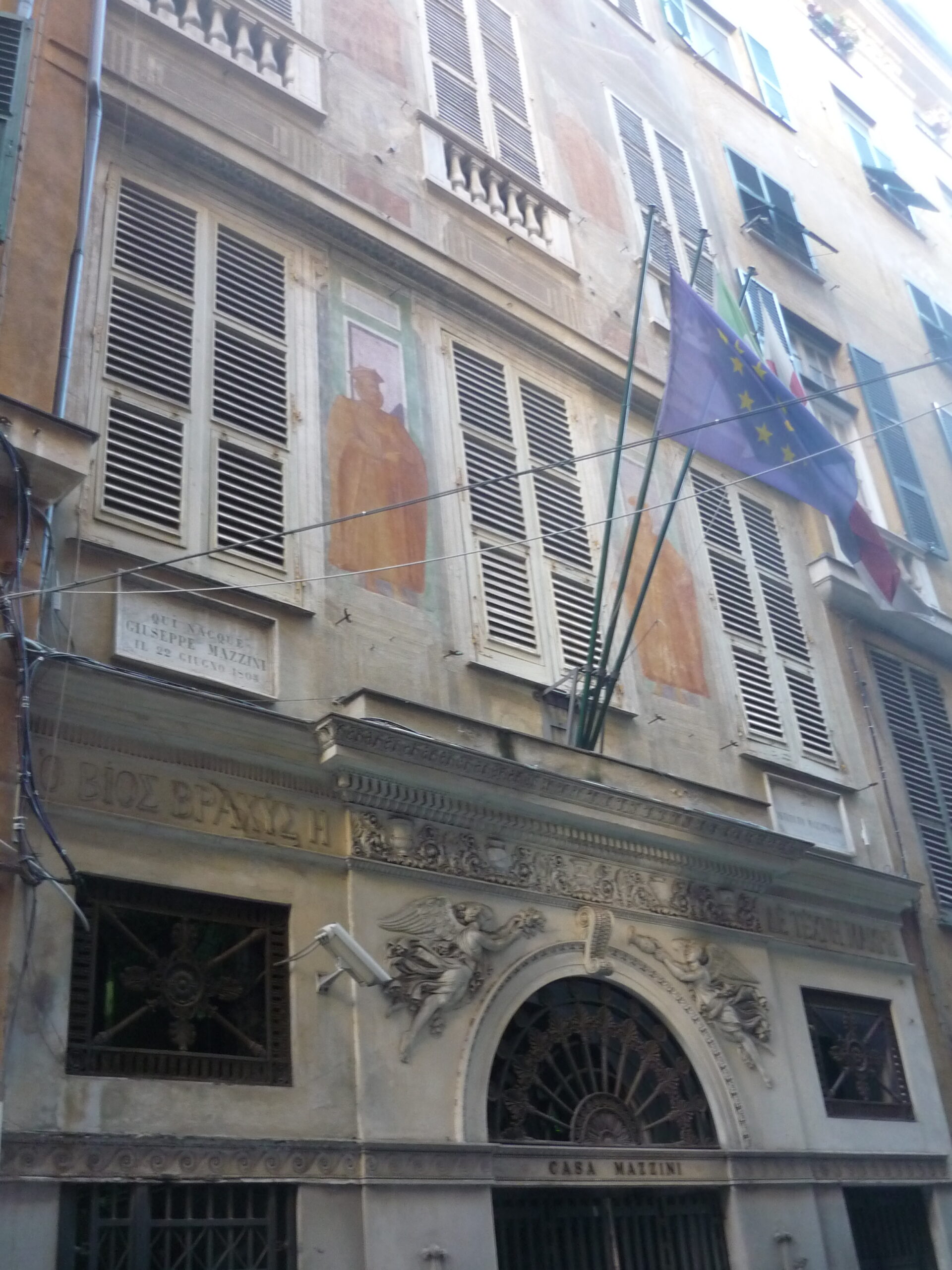
- Museum of the Risorgimento. Placed in the birthplace of Giuseppe Mazzini, it displays a rich historical and artistic heritage that will allow us to “meet” the symbolic figures of the Risorgimento: Mazzini, Garibaldi e Mameli. The tour traces the events leading up to the Unification of Italy, from the Genoese anti-Austrian revolt (1746) to the inauguration of the Monument to the Thousand, in Quarto in 1915. Among the most evocative objects: the Red Shirts, the precious silk Flag of the Thousand (1860), Mazzini's guitar, and Goffredo Mameli's first autographed draft of the Canto degli Italiani (1847).
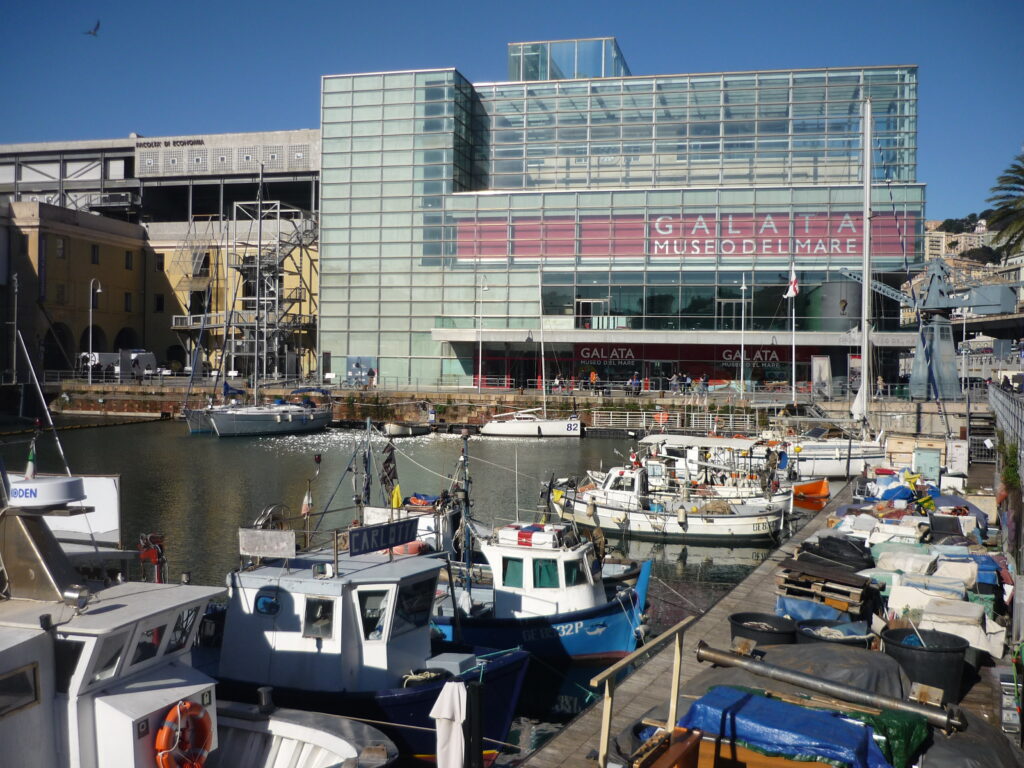
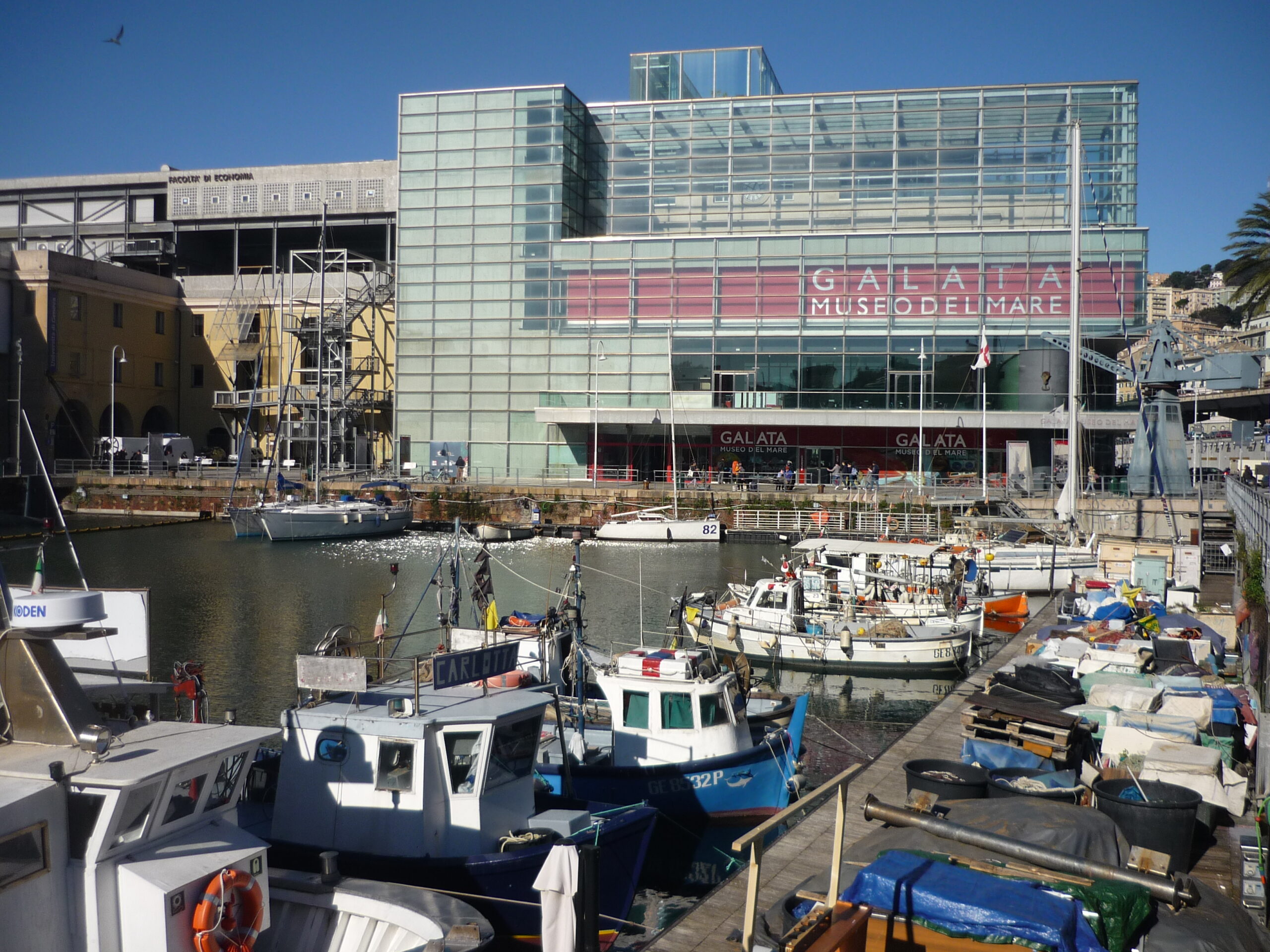
- Galata Sea Museum. In the interior rooms, the visitor passes through scenic environments created to best appreciate what is on display: paintings, atlases, ancient medieval nautical charts, and shipboard instruments. They invite the visitor on a real journey to discover the history and imagery of the sea. The tour may include a visit to the Nazario Sauro submarine.
- D'Albertis Castle, Museum of World Cultures. Housed in the neo-Gothic castle that was the residence of Captain D'Albertis, it presents ethnographic and archaeological material collected by the captain on five continents. Among “chambers of wonders,” seafaring suggestions and colonial trophies, the museum testifies to the fascination of distant worlds and curiosity about the unknown.
- Museum of St. Augustine. It includes thousands of works dating from antiquity to the 19th century. Among the most important are the remains of the tomb monument of Margaret of Luxembourg, made between 1312-1314 by John Pisano. Margaret, wife of Emperor Henry VII, the .’tall Arrigo, died of the plague in Genoa in 1311.
- Museum of the Ligustica Academy of Fine Arts. Overlooking the square De Ferrari, the historic building preserves bronze and marble sculptures, plaster and terracotta sketches, ceramics and significant evidence of art in Liguria 14th to 21st centuries.
Other museums in Genoa include:
GIACOMO DORIA MUSEUM OF NATURAL HISTORY
VILLA CROCE MUSEUM OF CONTEMPORARY ART
LANTERN MONUMENTAL COMPLEX
MUSEUM OF ORIENTAL ART E. CHIOSSON
WOLFSONIANA
NAVAL MUSEUM OF PEGLI - VILLA CENTURIONE DORIA
GIANNETTINO LUXORO MUSEUM
Some suggestions for the school trips in Genoa:
Elementary school: morning visit to the’Aquarium of Genoa, afternoon path in the downtown
Secondary schools: morning visit to the Galata Sea Museum, afternoon path in the downtown
Secondary schools: morning downtown, afternoon a museum of your choice
Possibility to create themed routes, for example: Mazzini and the Risorgimento