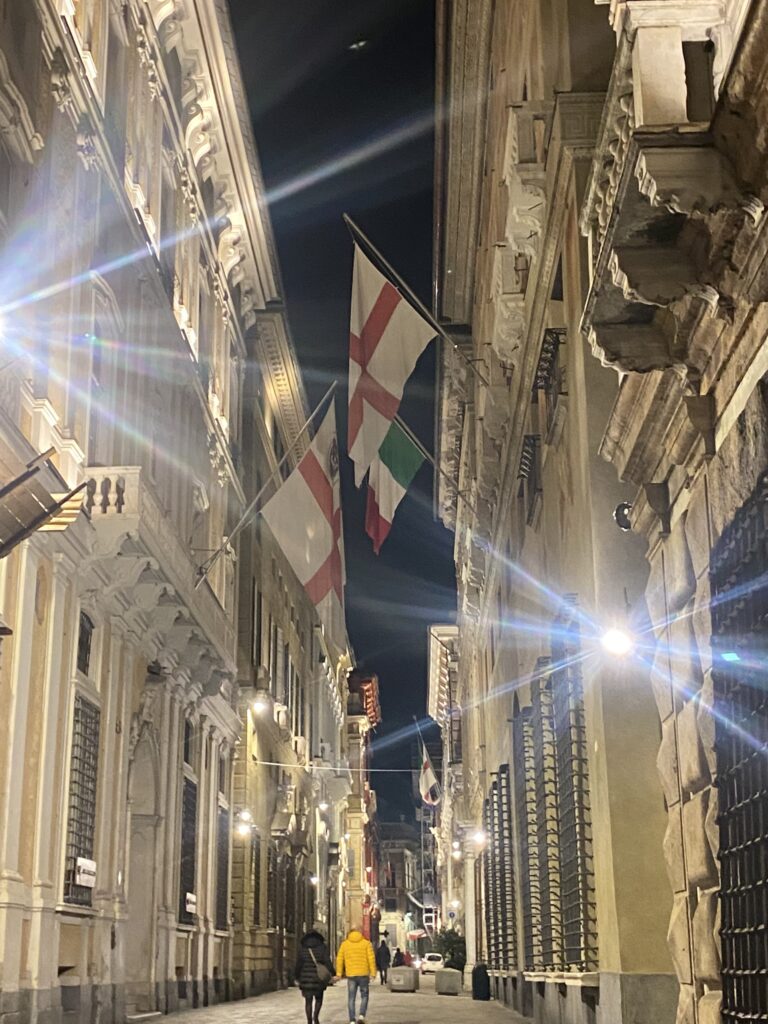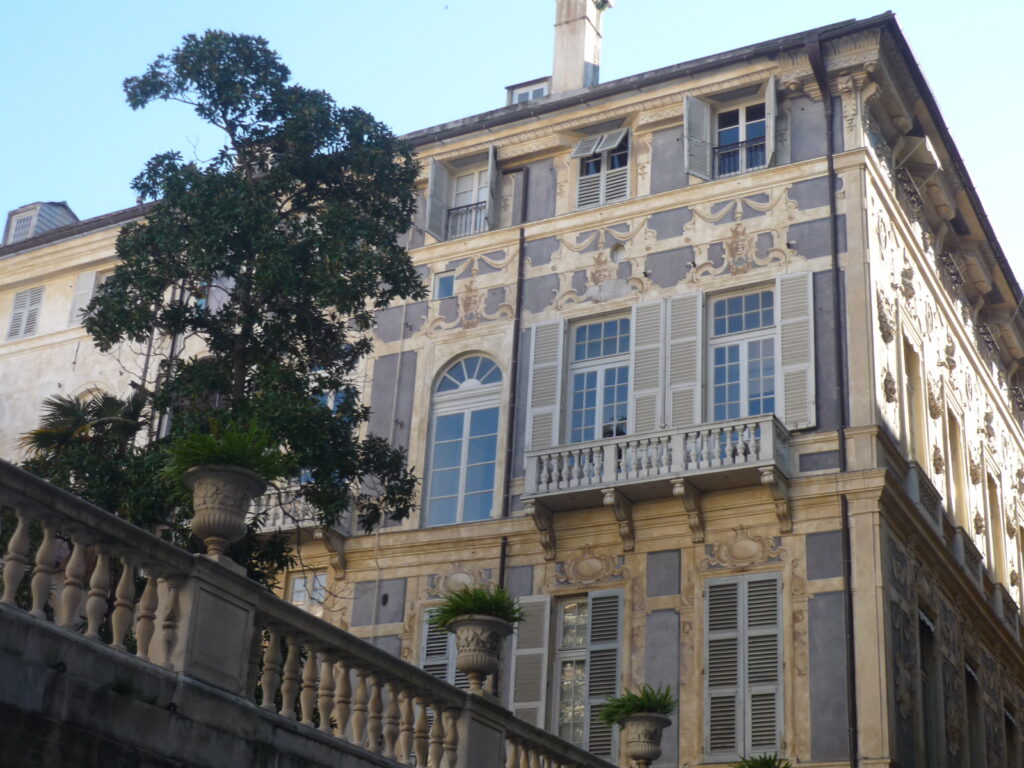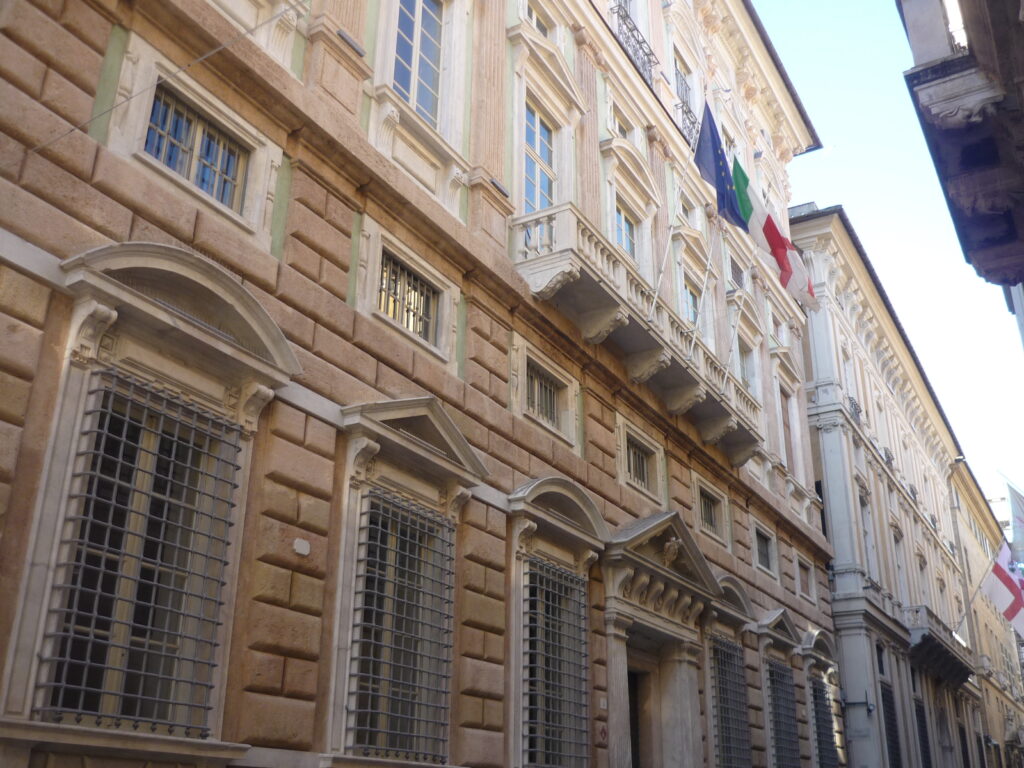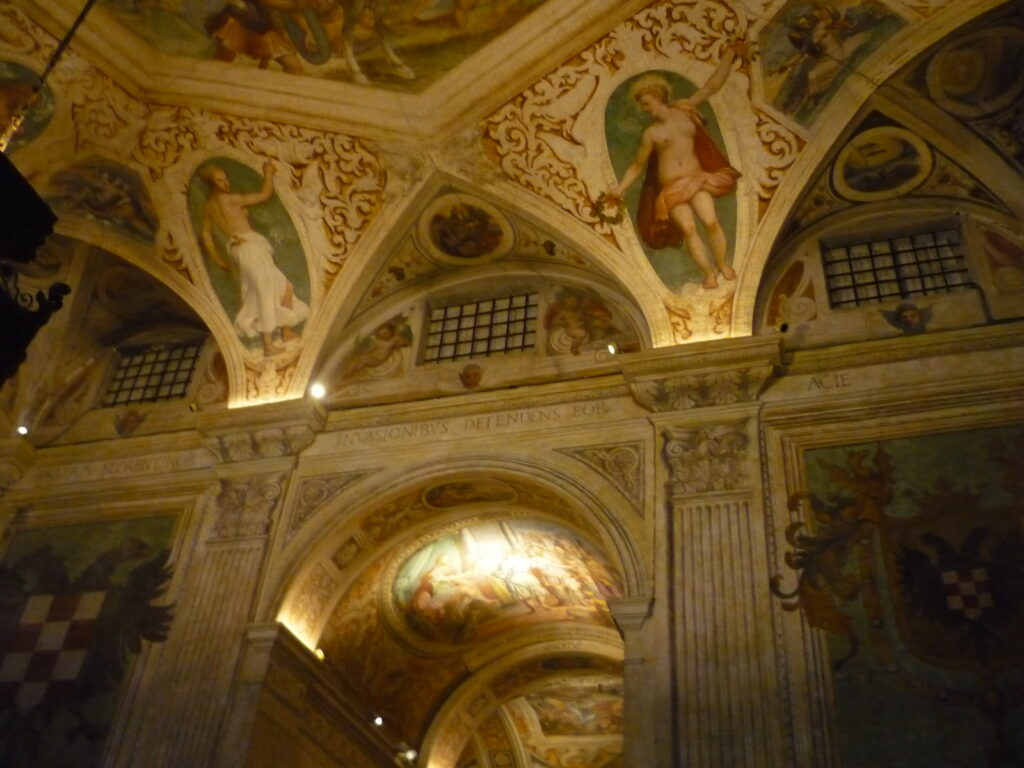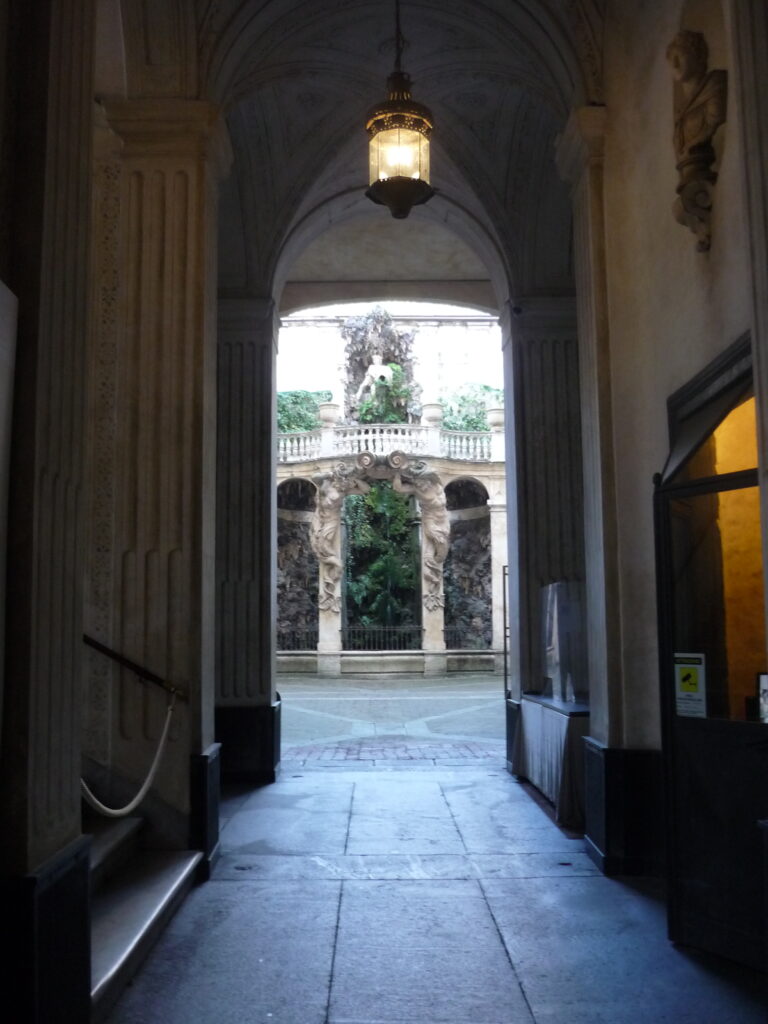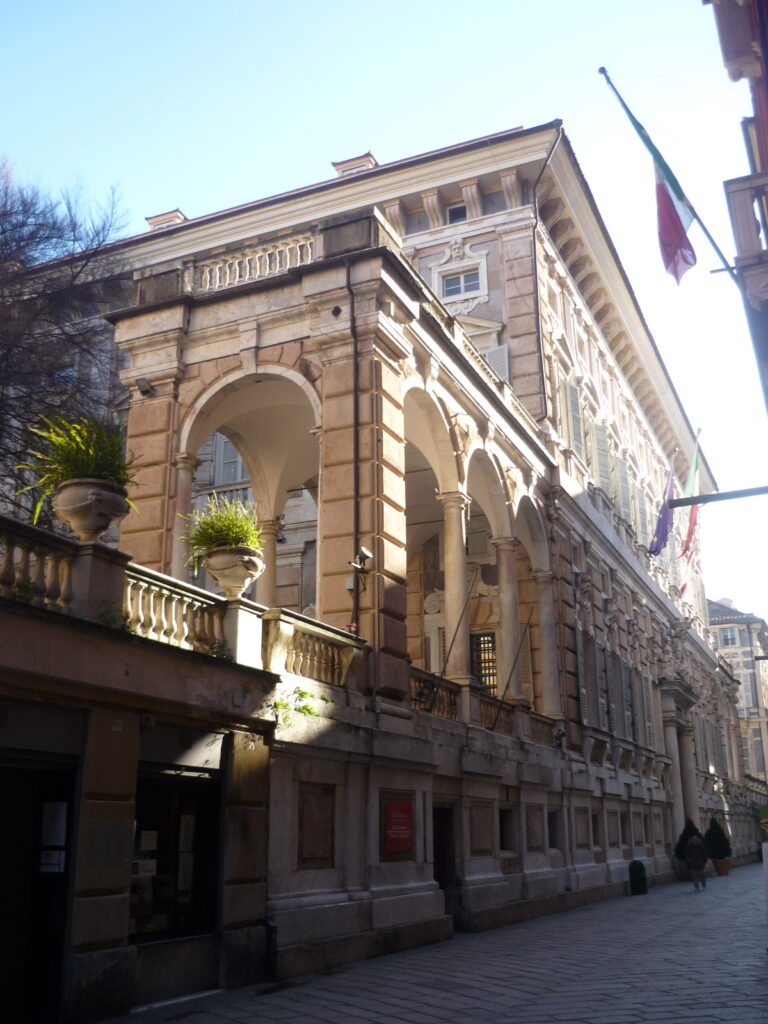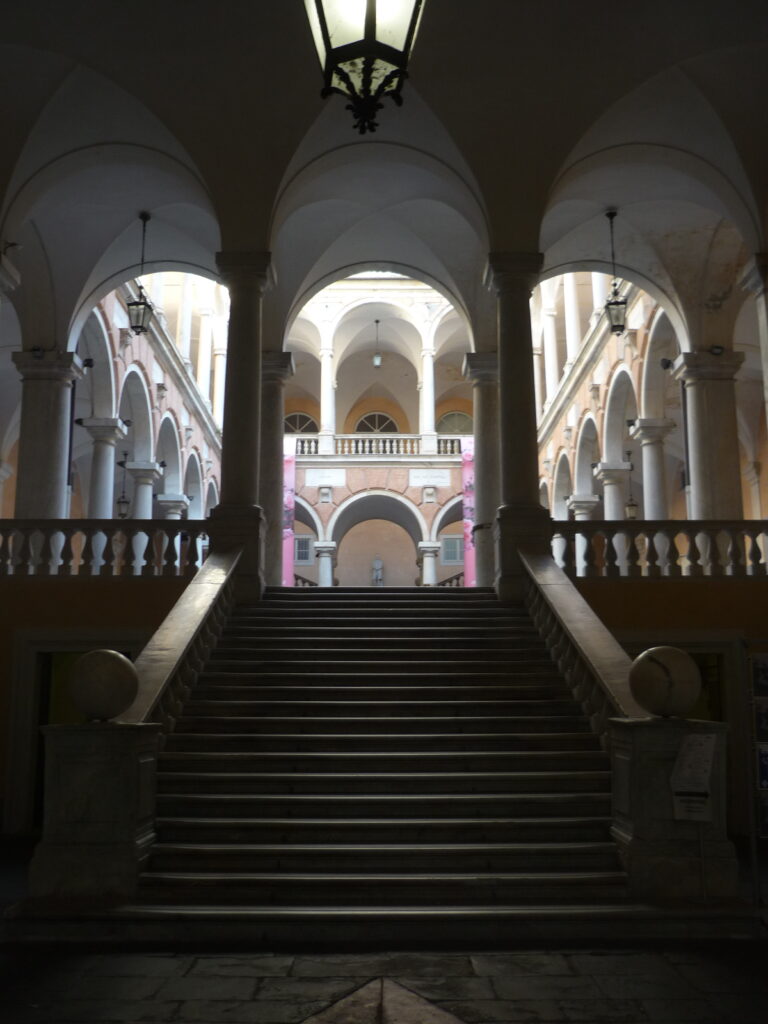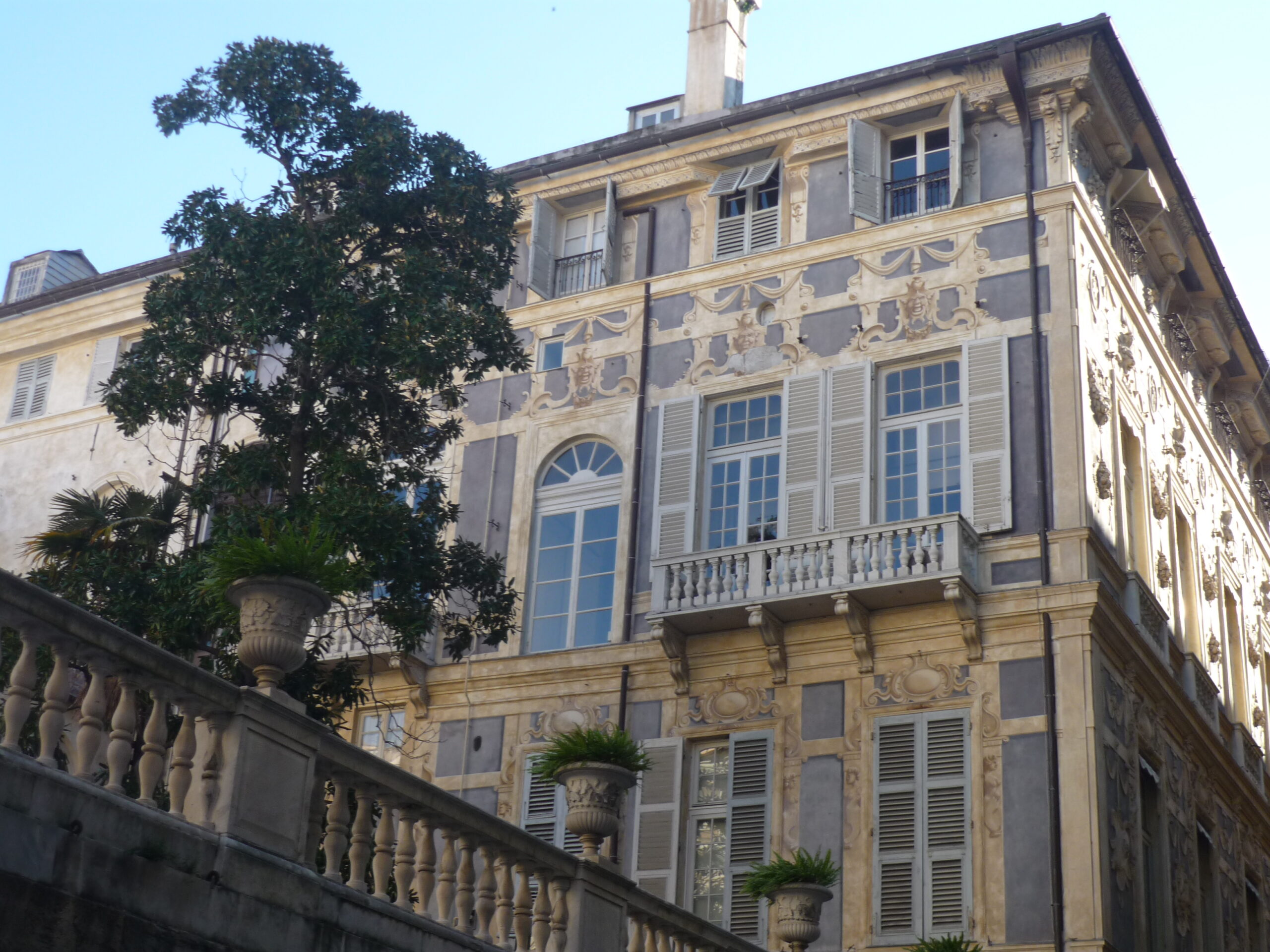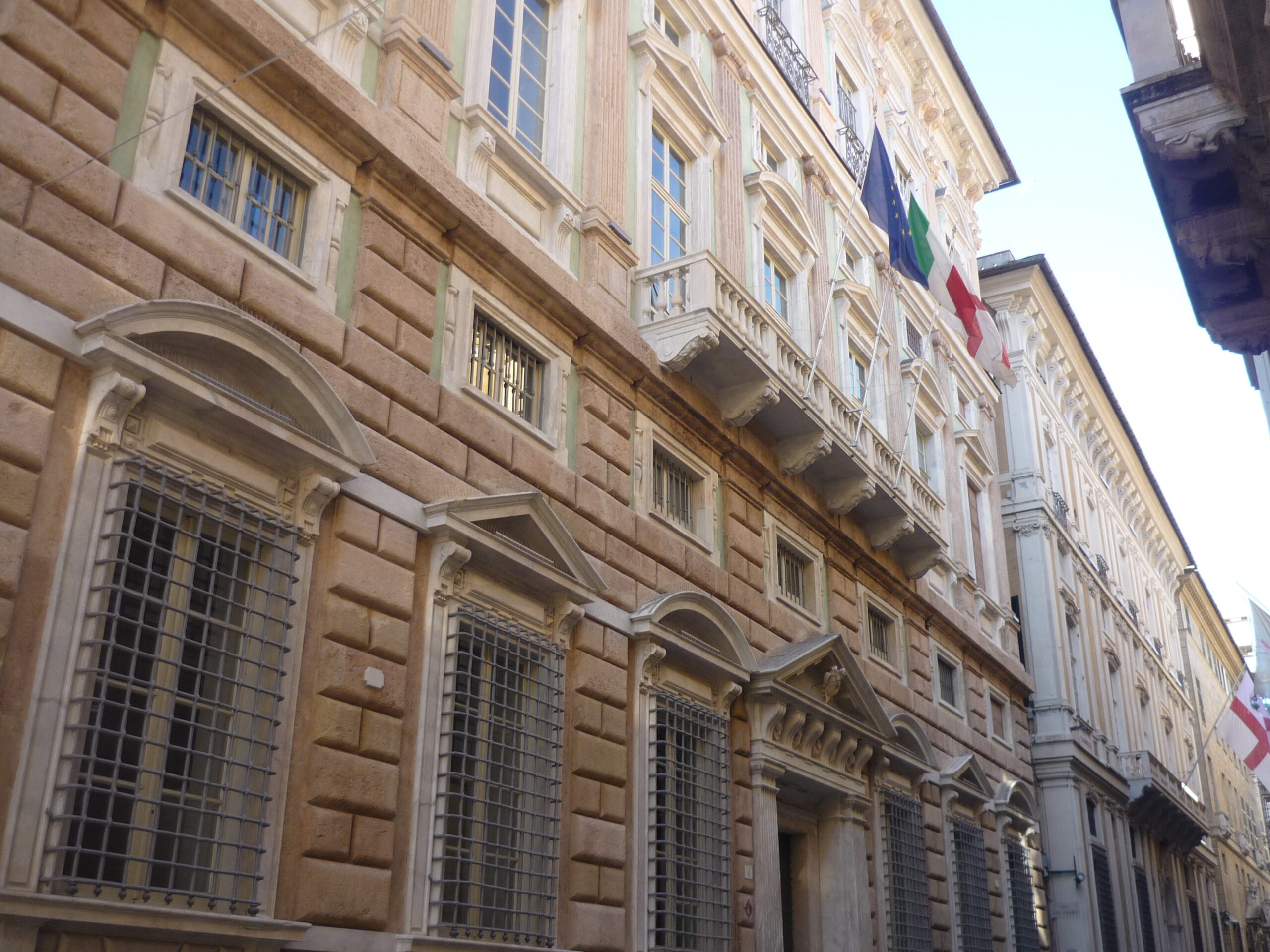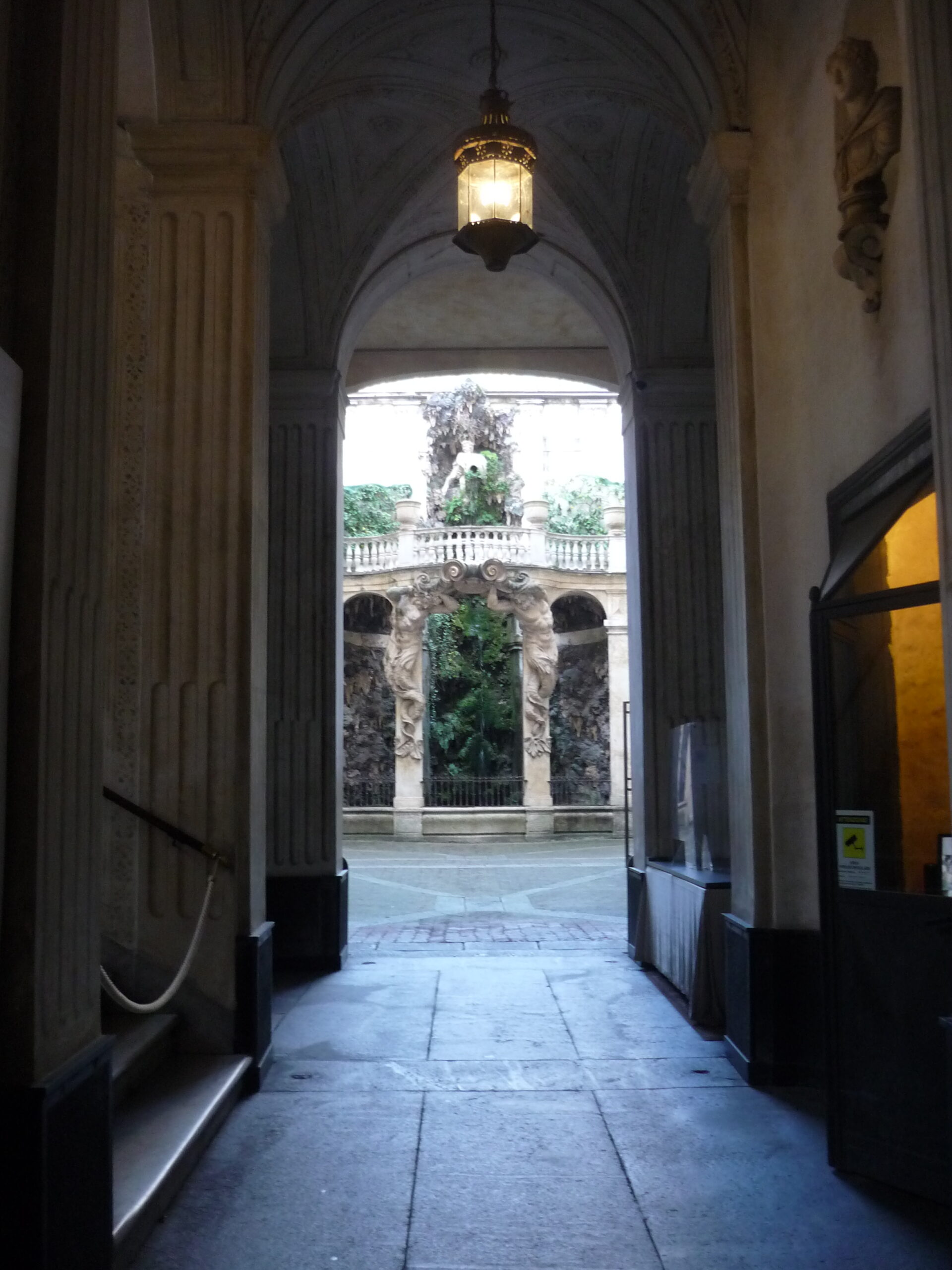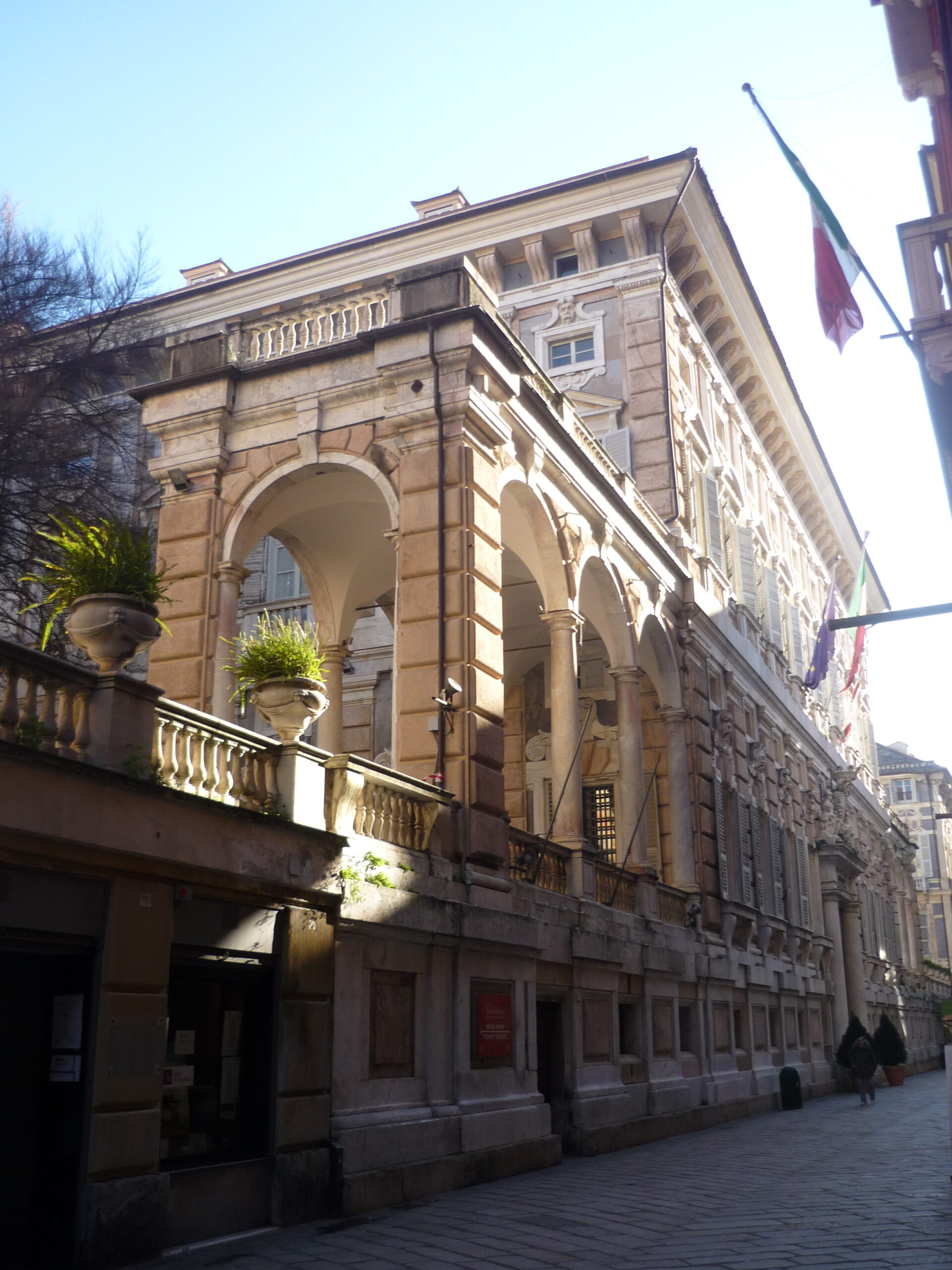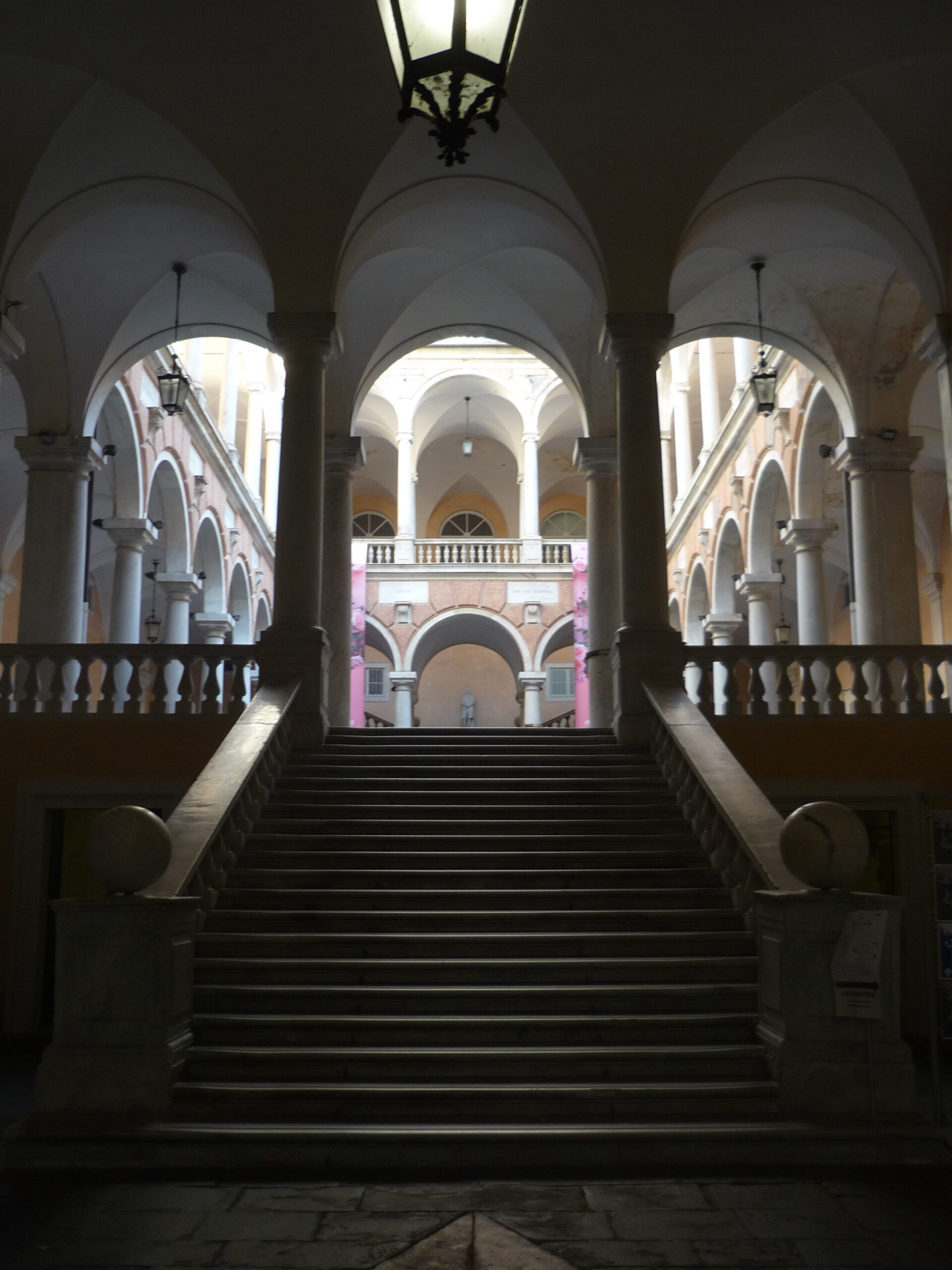

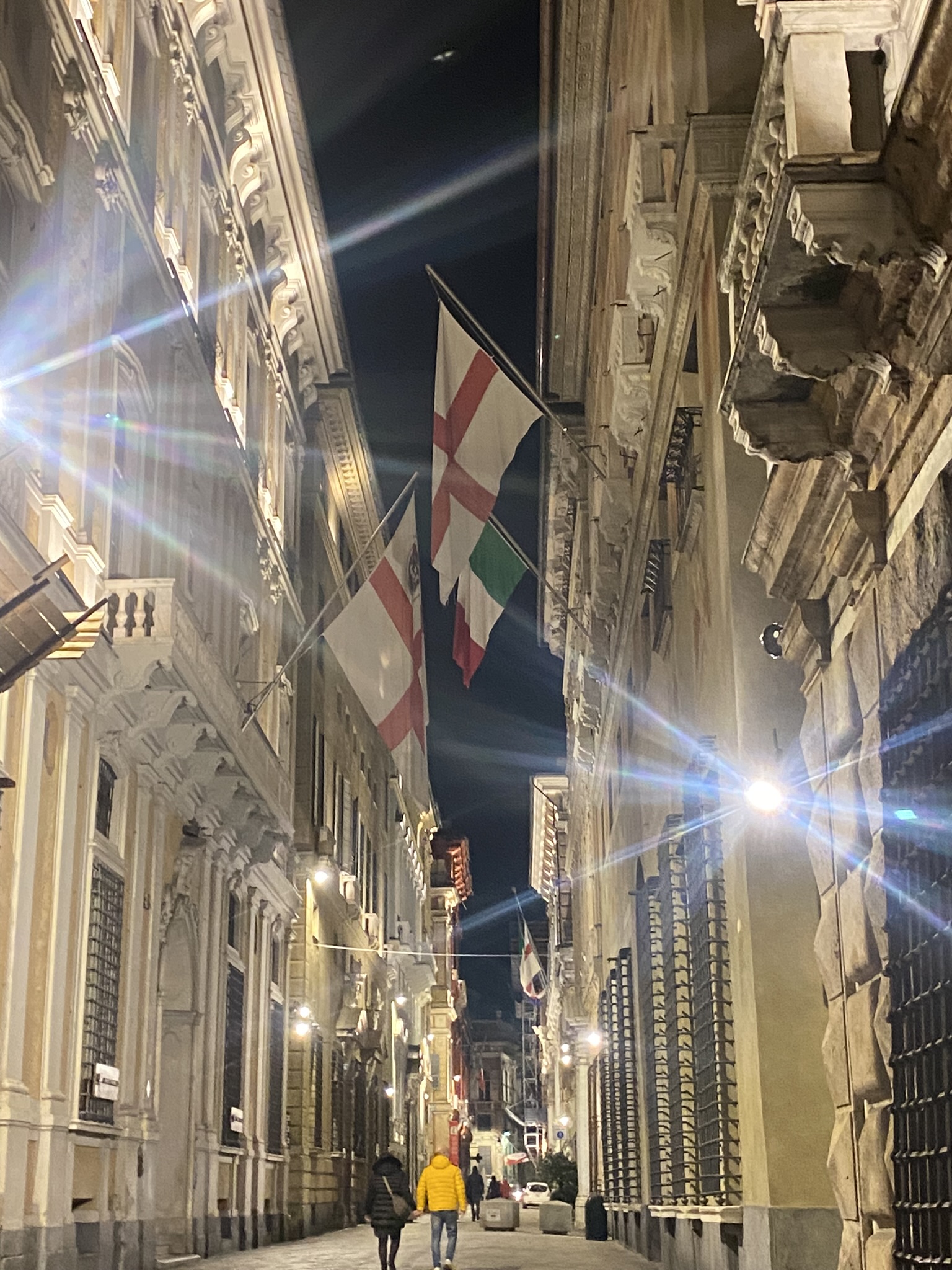
Follow us to discover the beauty of Garibaldi Street! We will guide you through the most fascinating palaces, with special attention to details but also to anecdotes and curiosities. With the founding of the Banco di San Giorgio, one of the first European banks, and later thanks to the alliance with Spain, the Republic of Genoa became the capital of international high finance. During the guided tour we will find out why the hundred years between the mid-sixteenth and mid-seventeenth centuries are known as the golden century of the Genoese. The leading noble families, such as the D'Oria, i Grimaldi, i Pallavicino and the Spinola built splendid residences characterized by loggias, grand staircases, and secret gardens. During “El Siglo de los Genoveses” which lasted more than a century, Genoa prospered and grew rich. The curtain opened on the extraordinary season experienced between the Renaissance and Baroque ages when the city held the scepter of finance capital thanks to the considerable wealth accumulated by the aristocratic families who ruled it. Many illustrious families provided for the radical renovation of their ancient mansions hidden among the caruggi (the narrow alleys of the downtown), while the most important families endowed themselves with very rich mansions realizing an extraordinary monumental district created from scratch to celebrate the grandeur of the city's aristocracy. Thus was born New Road: known today as Garibaldi Street: it represents one of the earliest examples of Renaissance urban planning in Europe. It is one of Genoa's most famous streets, a UNESCO World Heritage Site. These luxurious mansions did not escape the eye of Peter Paul Rubens, who came to Genoa in the retinue of the Gonzagas; in the early seventeenth century he published in a book the collection of drawings of the palaces, proposing them as a housing model for the nobility throughout Europe.
In the extraordinary setting of Via Garibaldi, a unique museum route connects three buildings (red palace, White e Grimaldi - Doria -Tursi) and is the largest museum of ancient art in the city. It comprises more than seventy-five rooms and takes place on different levels among loggias, terraces and gardens.
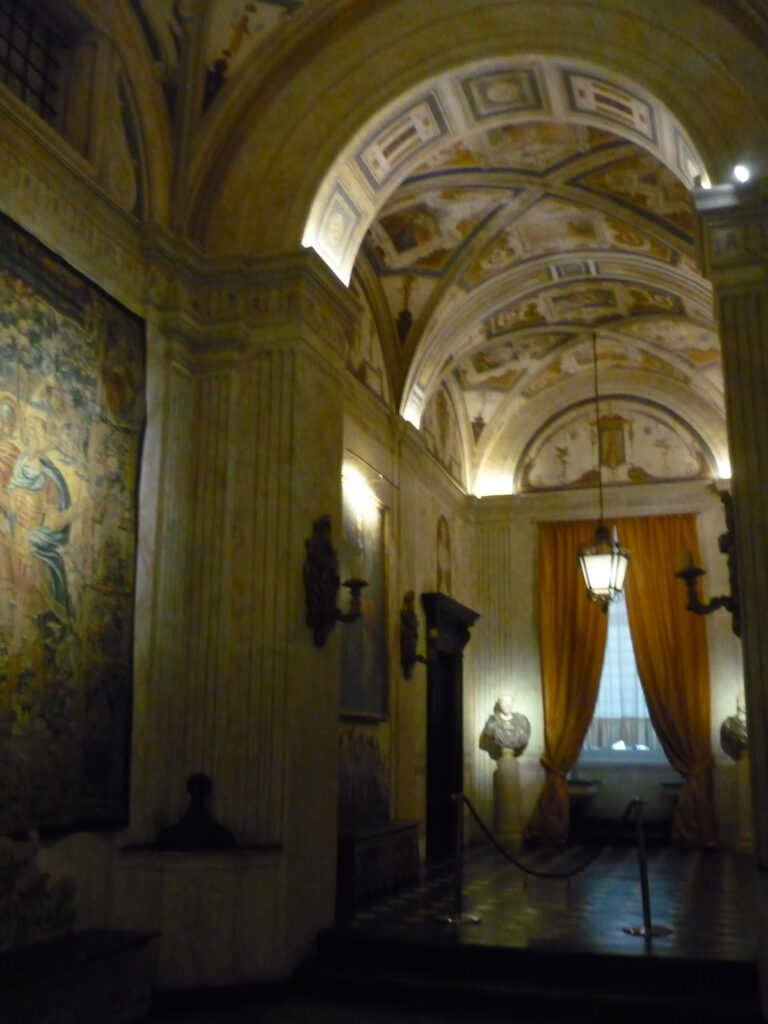
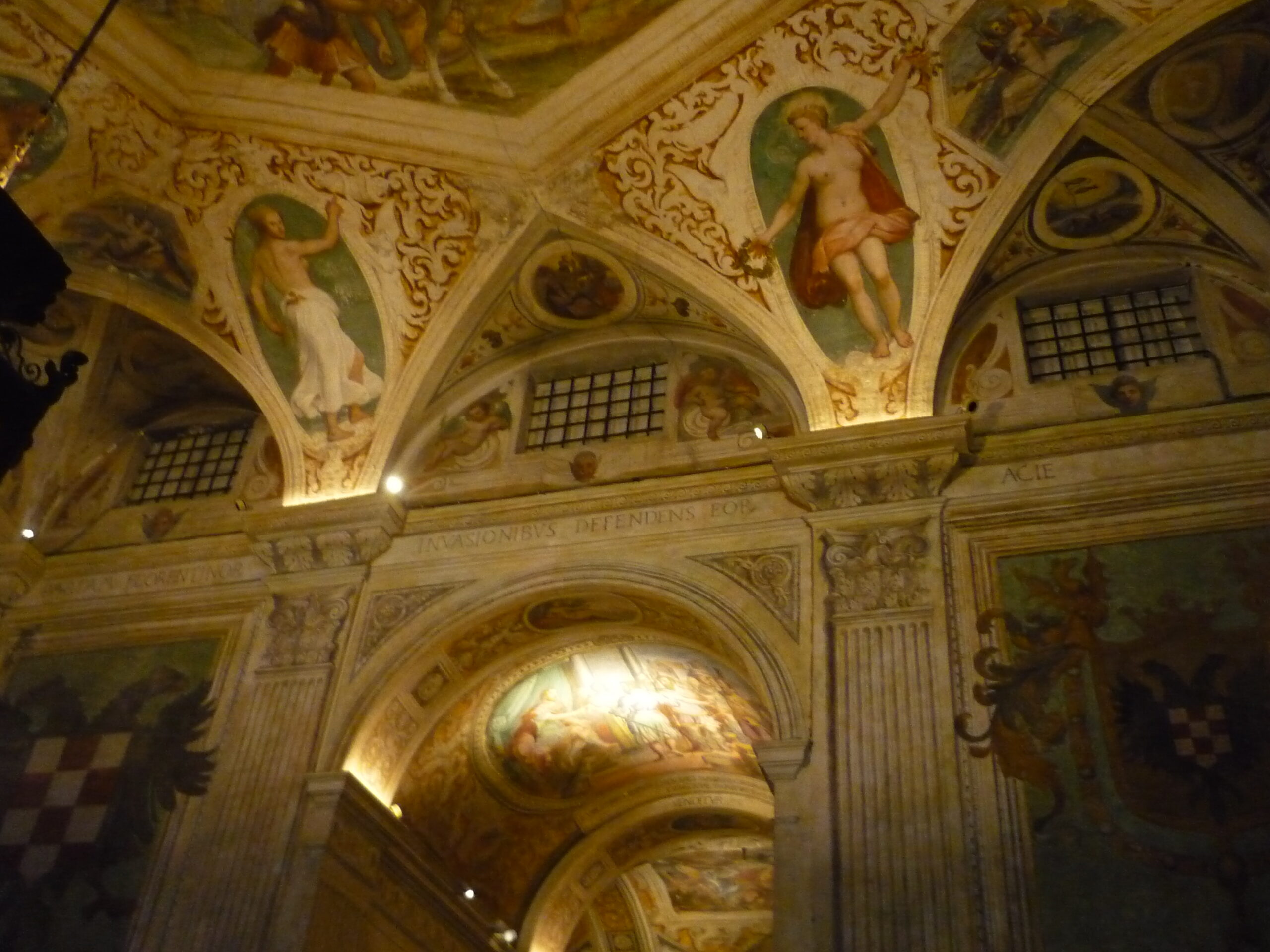
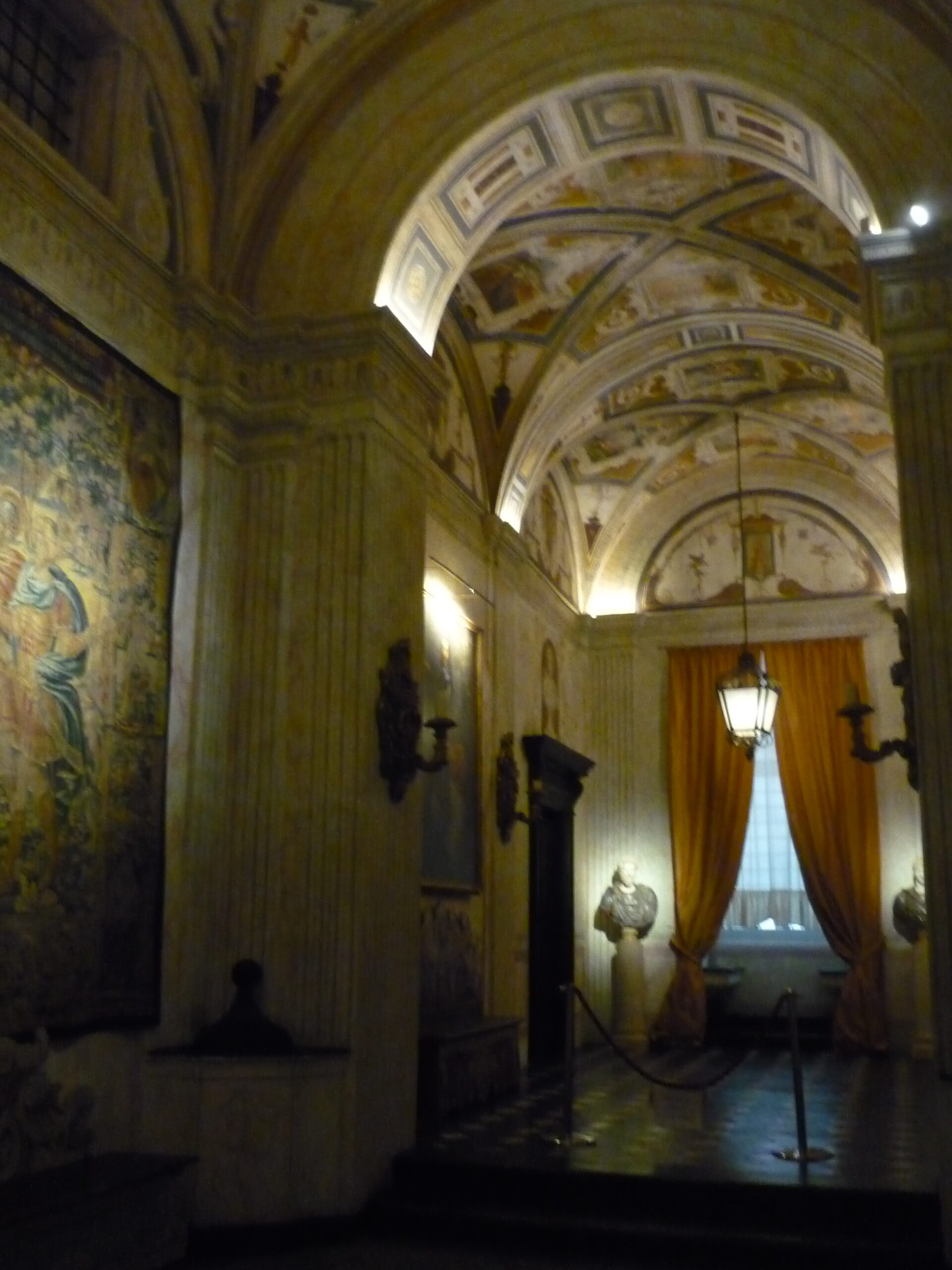
Red Palace is a kind of “house-museum” where the charm of the 17th-century mansion is still alive, housing the rich art collections and historical furnishings of the Brignole-Sale family in rooms richly decorated with stucco and frescoes. Those who do not suffer from vertigo will be able to follow us to the miradore, from where there is a spectacular view of Genoa's historic center and its verticality.
White Palace, the leading picture gallery in Liguria, offers a rich and articulate survey of the Italian and Ligurian school of painting from the 16th to the 18th century, including works by Rubens, Caravaggio, Vouet and high-level testimonies from the Flemish, French, Spanish, and Dutch realities.
Grimaldi-Doria-Tursi Palace. From Palazzo Bianco, crossing the archaeological area that bears witness to the presence of the church of San Francesco di Castelletto, we reach Palazzo Grimaldi-Doria-Tursi. Here are preserved splendid collections of ceramics, with tableware and pharmaceutical vessels in which the names of medicines once used are still legible. Other rooms preserve the celere violin of Paganini (a Guarnieri del Gesù) and the penitent Magdalene by Canova.
The Palace of Nicolosio Lomellino was built between 1559 and 1565 by G.B. Castello and B. Cantone at the behest of Nicolosio Lomellino, a member of a family in the midst of economic and political rise. It preserves a charming Italian garden and, on the first piano nobile, frescoes by Bernardo Strozzi (1623) that, recalling Christopher Columbus, depict the allegory of the evangelization of the New World; they characterized by richness of color and curiosity of subjects, Indians, exotic birds, and even scenes of cannibalism.
In Palace of Tobia Pallavicino, another of the palaces of the Rolli, the Gilded Gallery created by L. De Ferrari stands as one of the highest achievements of the late Genoese Baroque: amid gilded stucco, mirrors and frescoes it presents a decorative cycle inspired by the stories of Aeneas.
The tour can be enriched with a visit to a museum or a suburban villa of the Genoese nobility, reached by a coach tours.
On the occasion of school trips in Liguria we design guided tours in Genoa and Garibaldi Street, adapting content and language to the age of the children.