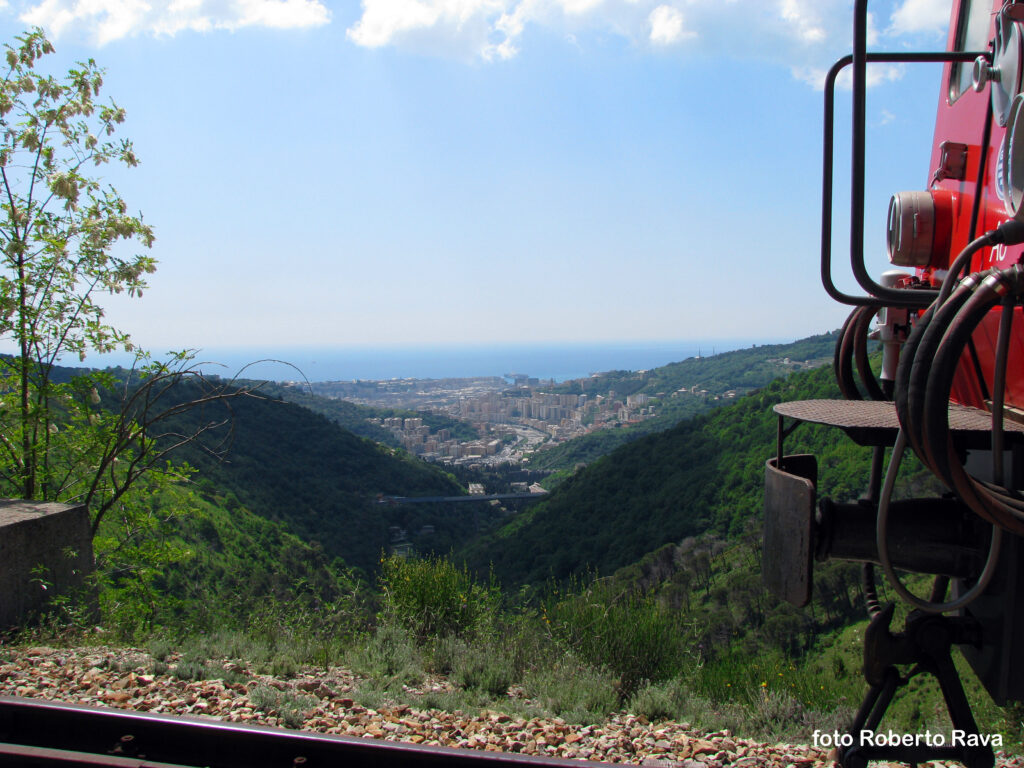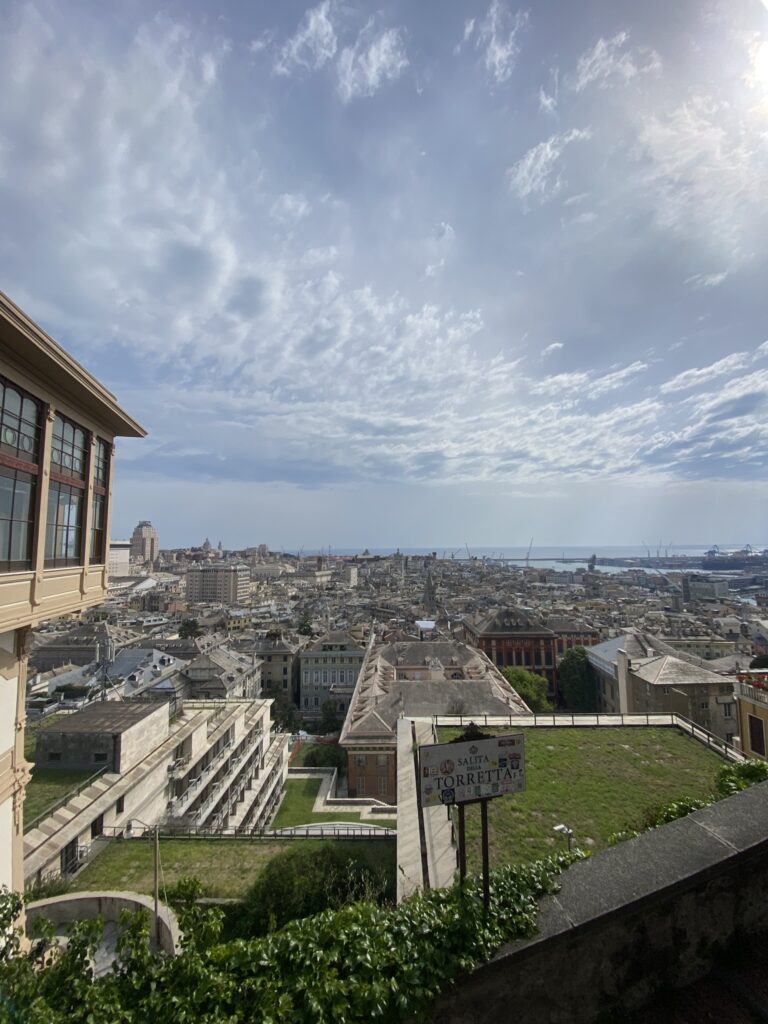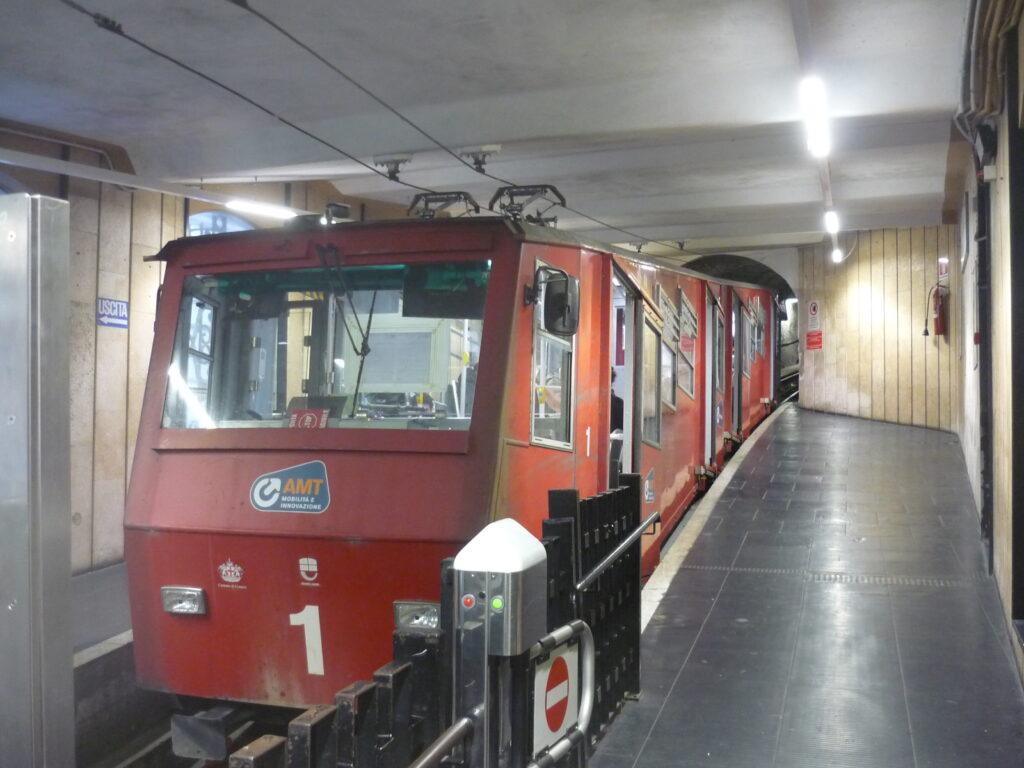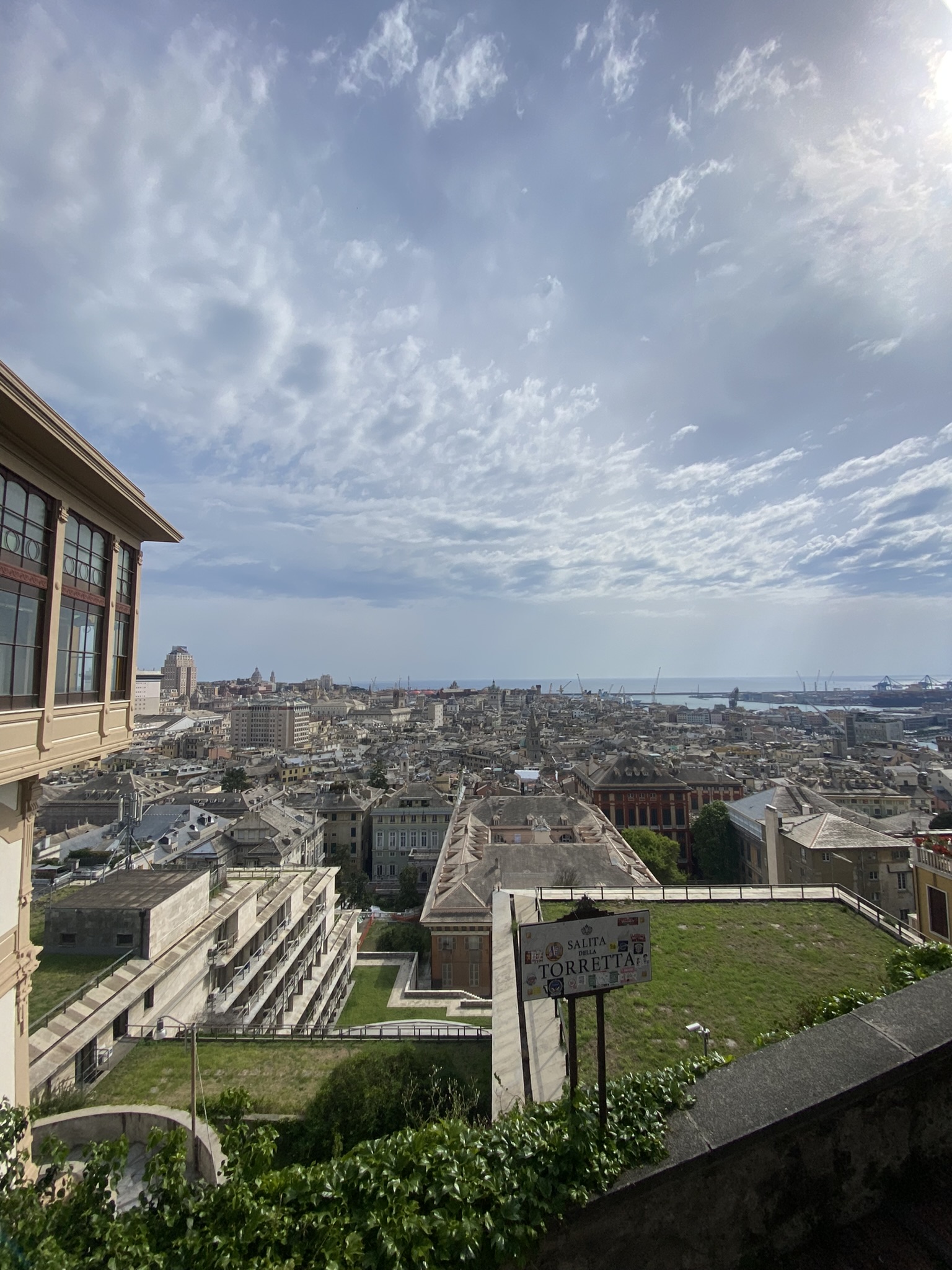

Genoa is a small urban trekking capital, a “vertical city,” where you get around by going up and down in elevators, rack railways and funiculars; with this guided tour you can combine the beauty of the scenery with the fascinating history of original transportation systems.
L'elevator of Castelletto (1909) leads to the tree-lined esplanade of the same name where the view embraces the downtown, via Garibaldi with the palaces of the Rolli, the ancient harbor with the Lantern, the Promontory of Portofino and, on a clear day, the Riviera di Ponente and the Maritime Alps. The stained glass windows and decorations of the elevator give the feeling of taking a trip to the days of the belle Époque. At the beginning of the access gallery we will find a verse by Giorgio Caproni: “When I have made up my mind to go there, to paradise/I will go there with the Castelletto elevator.”
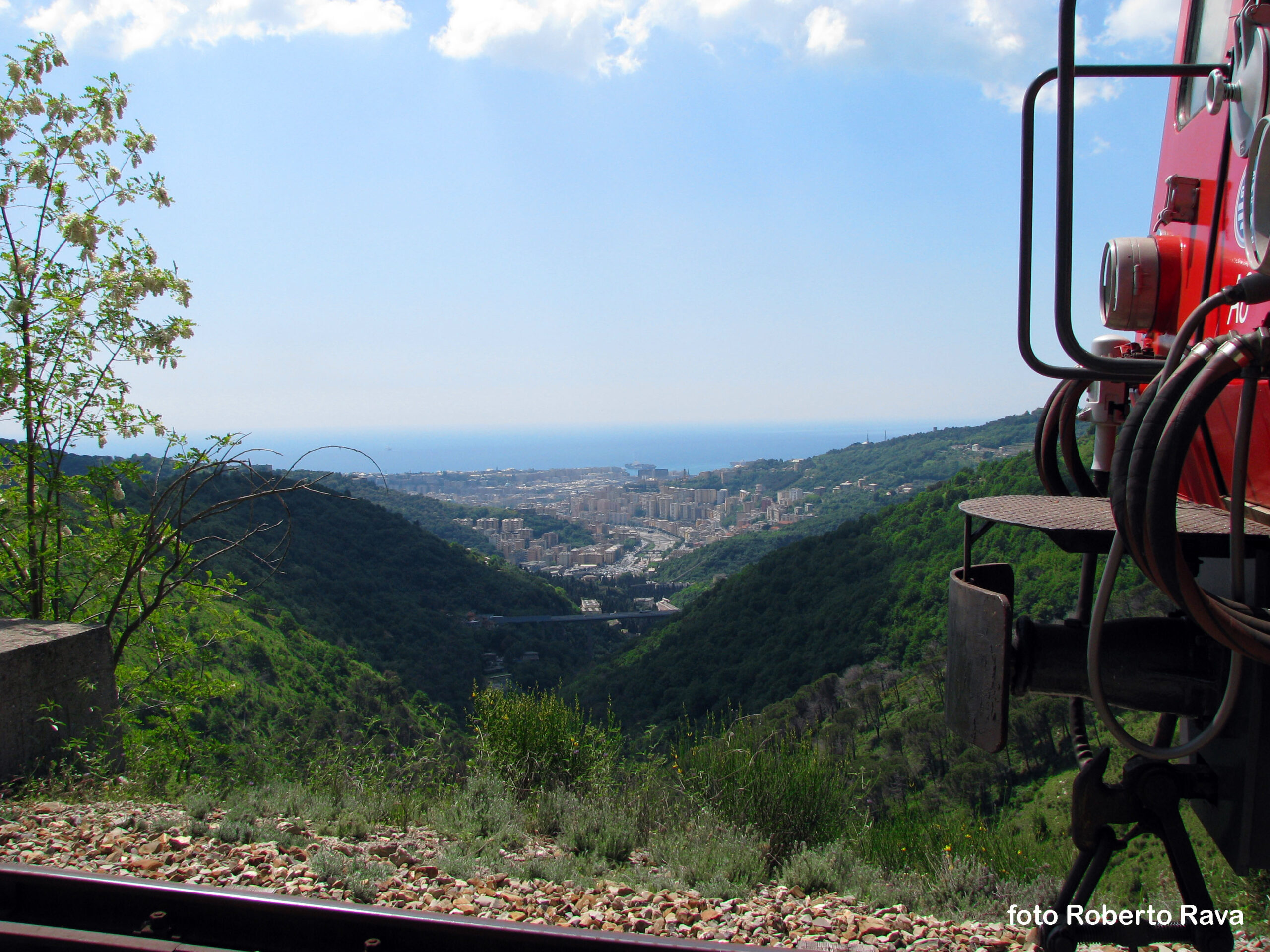
La funicular Zecca - Righi (1895-97) was created to serve the new hillside neighborhoods. Reaching the top, the terraces located on the upper station of the Righi allow one to embrace a wide and impressive view towards the sea and inland Genoa, with the Monumental Cemetery of Staglieno and the crown of forts that protected the city's shoulders.
Entering service in 1891, the St. Anne's funicular remained in service until the late 1970s with the water operating system based on the principle of counterweights. The driver of the upstream car would open the taps to fill the large tank located at the bottom of the vehicle, calculating the amount of water based on number of passengers on board. In this way, the heavier upstream car would drag the downstream car to which it was connected by a rope.
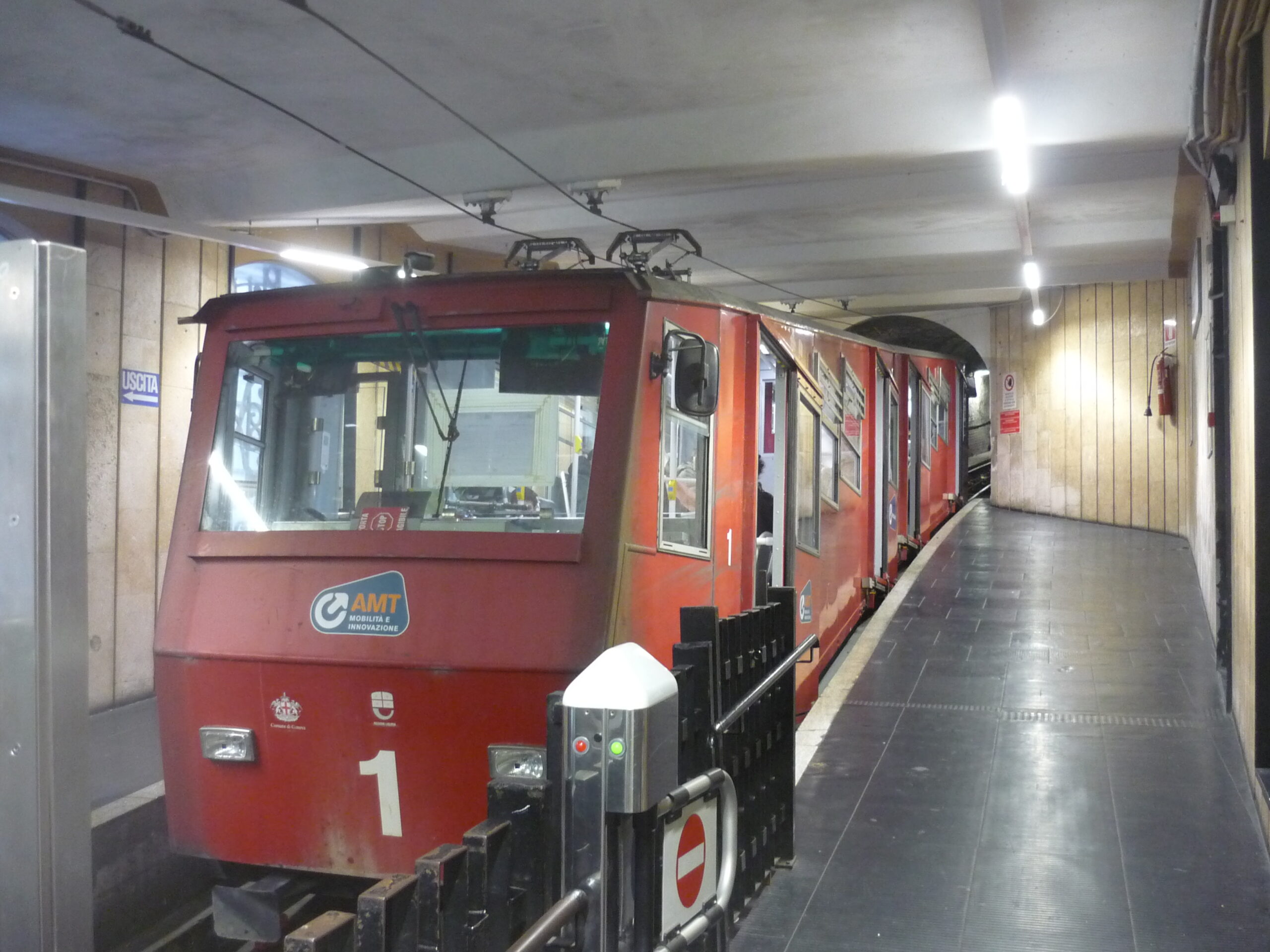
La Granarolo rack railway (1901) is one of the oldest in Italy; the historic car with wooden seats climbs the steep hill to the original Art Nouveau station.
The proposed destinations can also be reached by typical crêuze, the uphill lanes formed by a central red brick pavement lined with cobblestones.
Primary or secondary schools that design educational visits in Liguria may include an experience in funicular railways and elevators designed during the industrial development of the late nineteenth/early twentieth century, and adorned with Art Nouveau decorations.