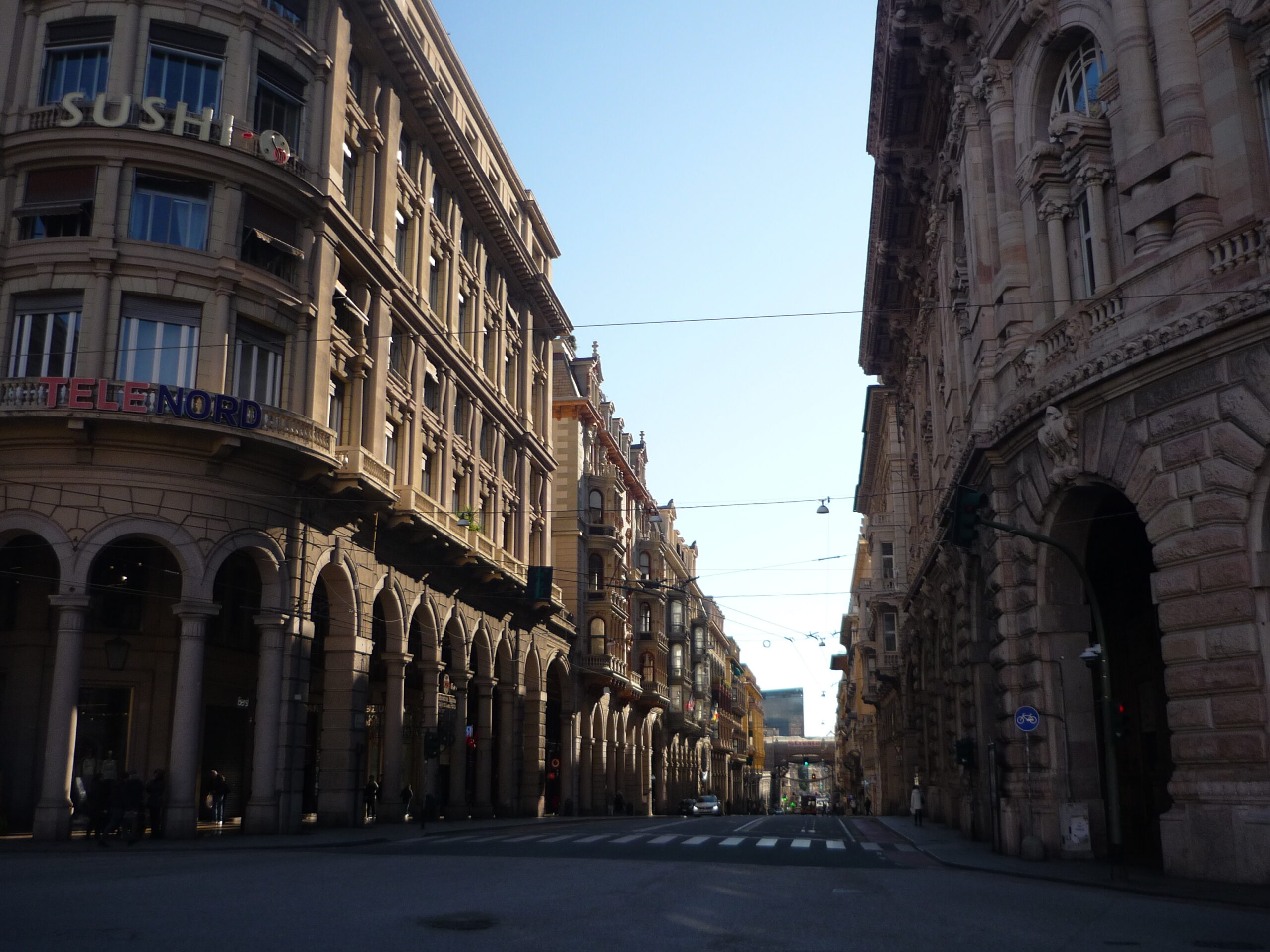

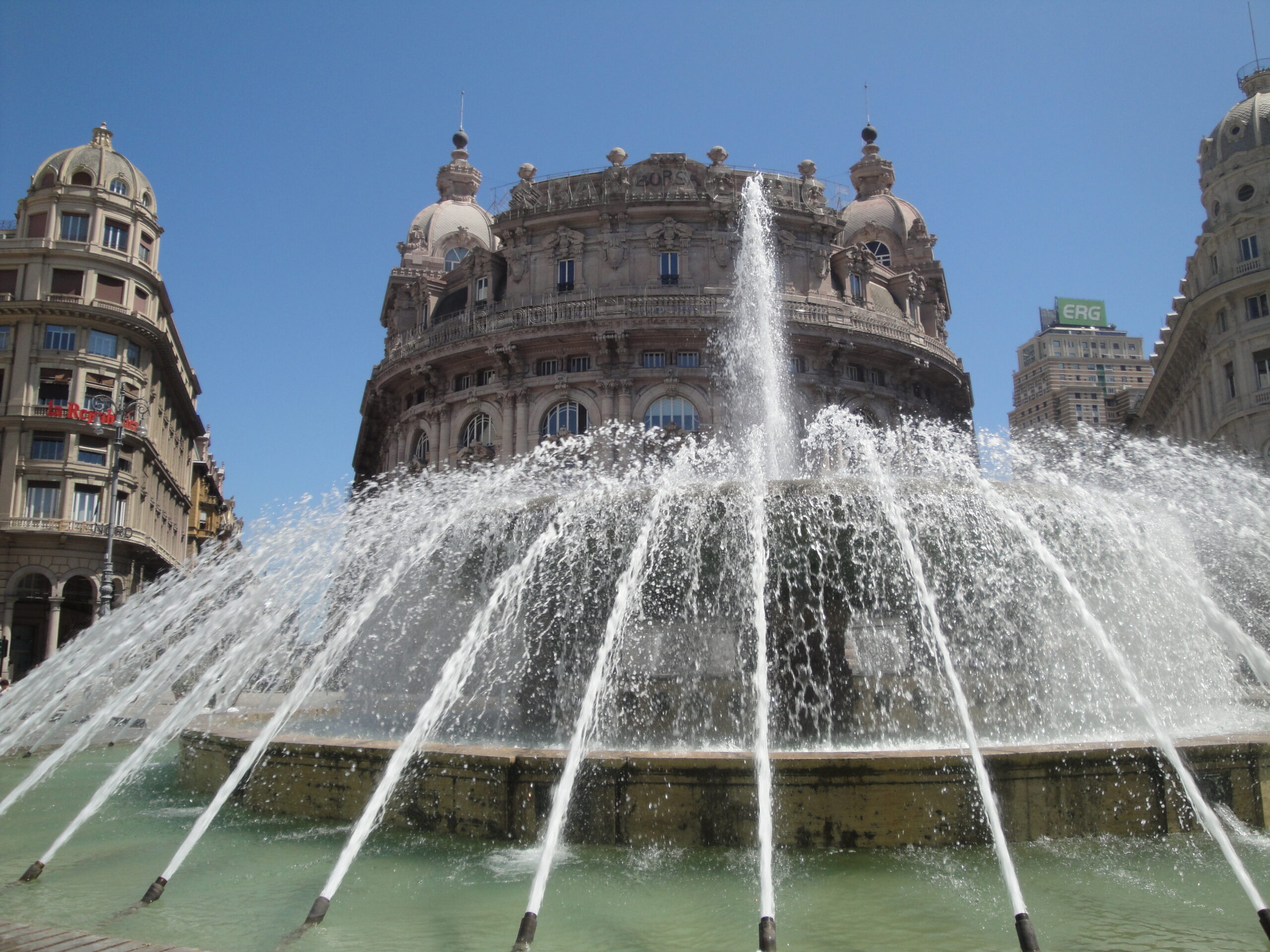
Get involved in a panoramic tour of Genoa, exploring the neighborhoods built between the 19th and 20th centuries, with photo stops at the most beautiful spots.
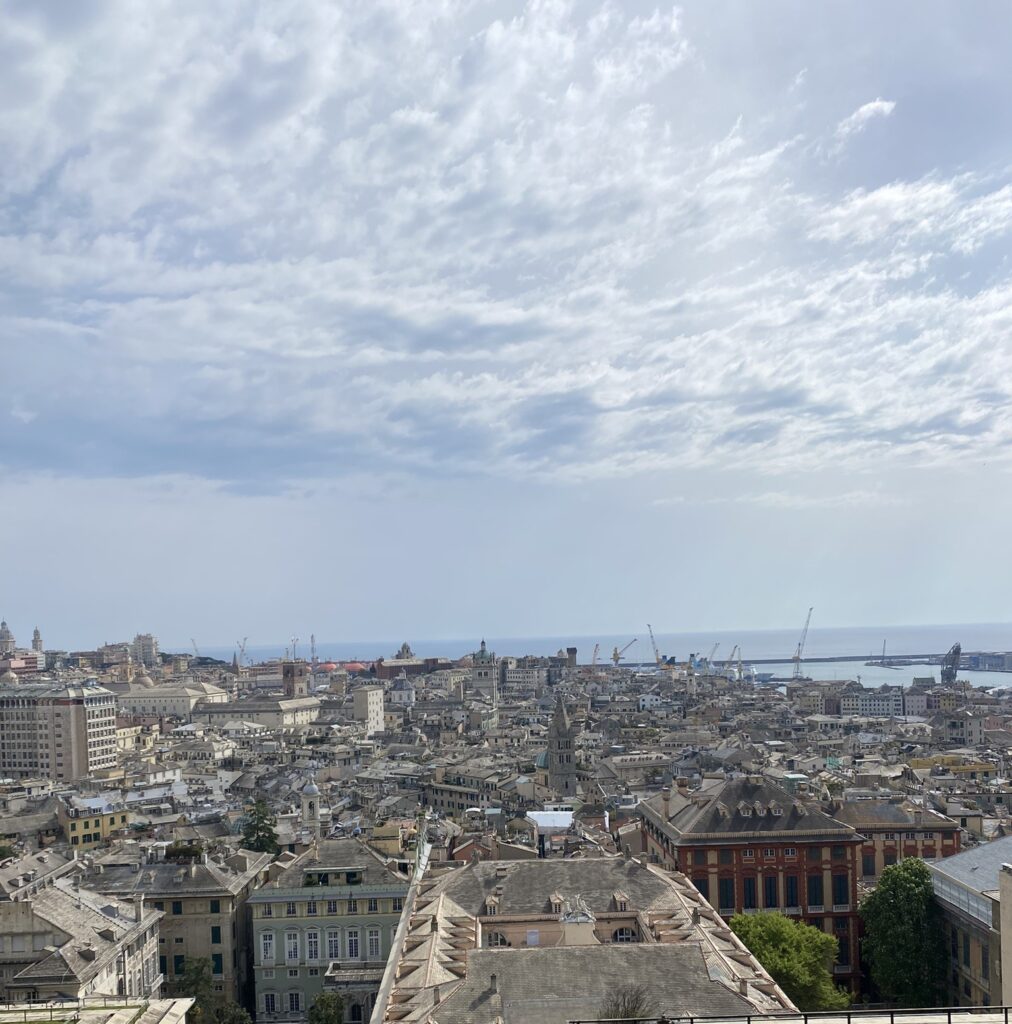
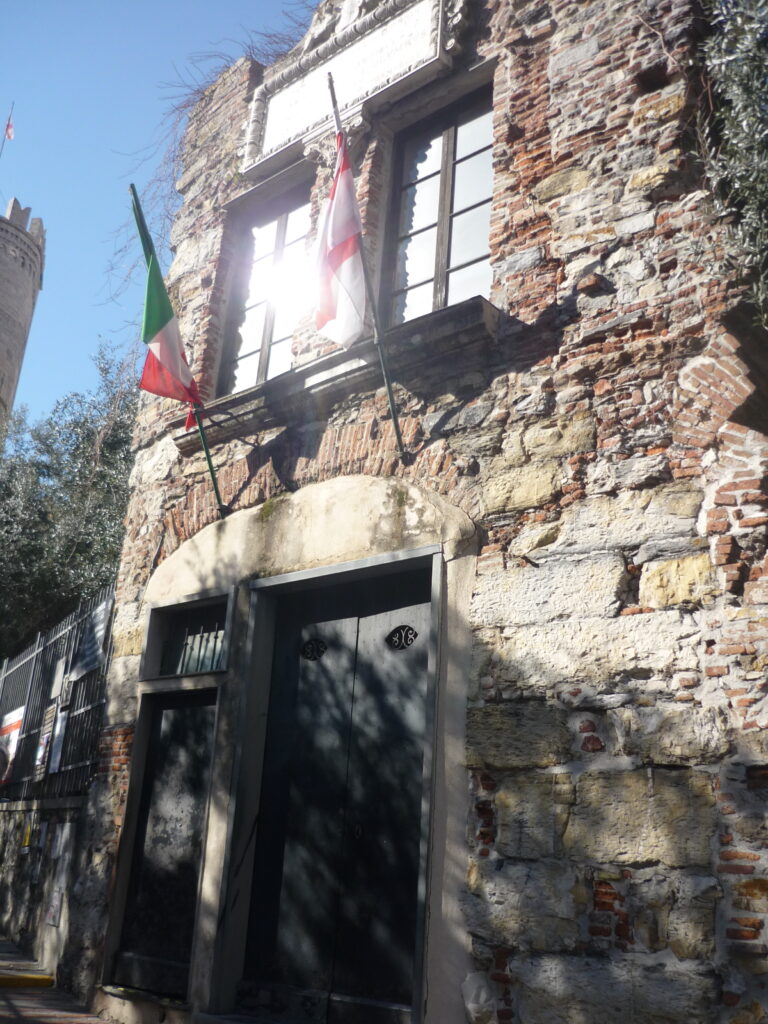
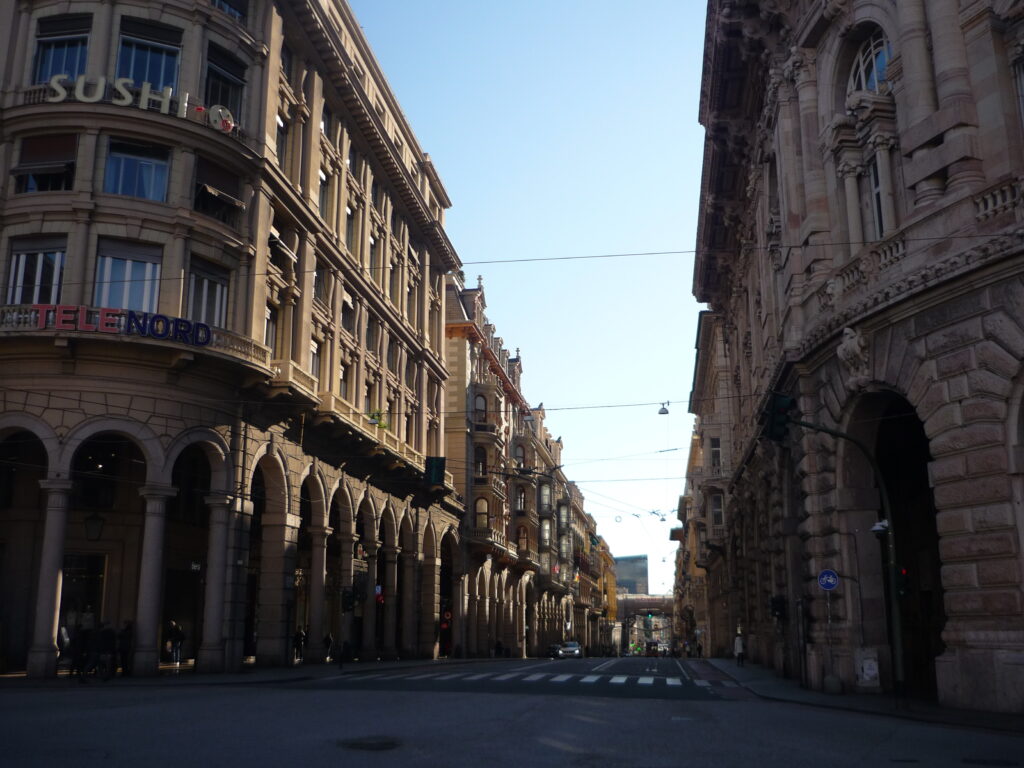
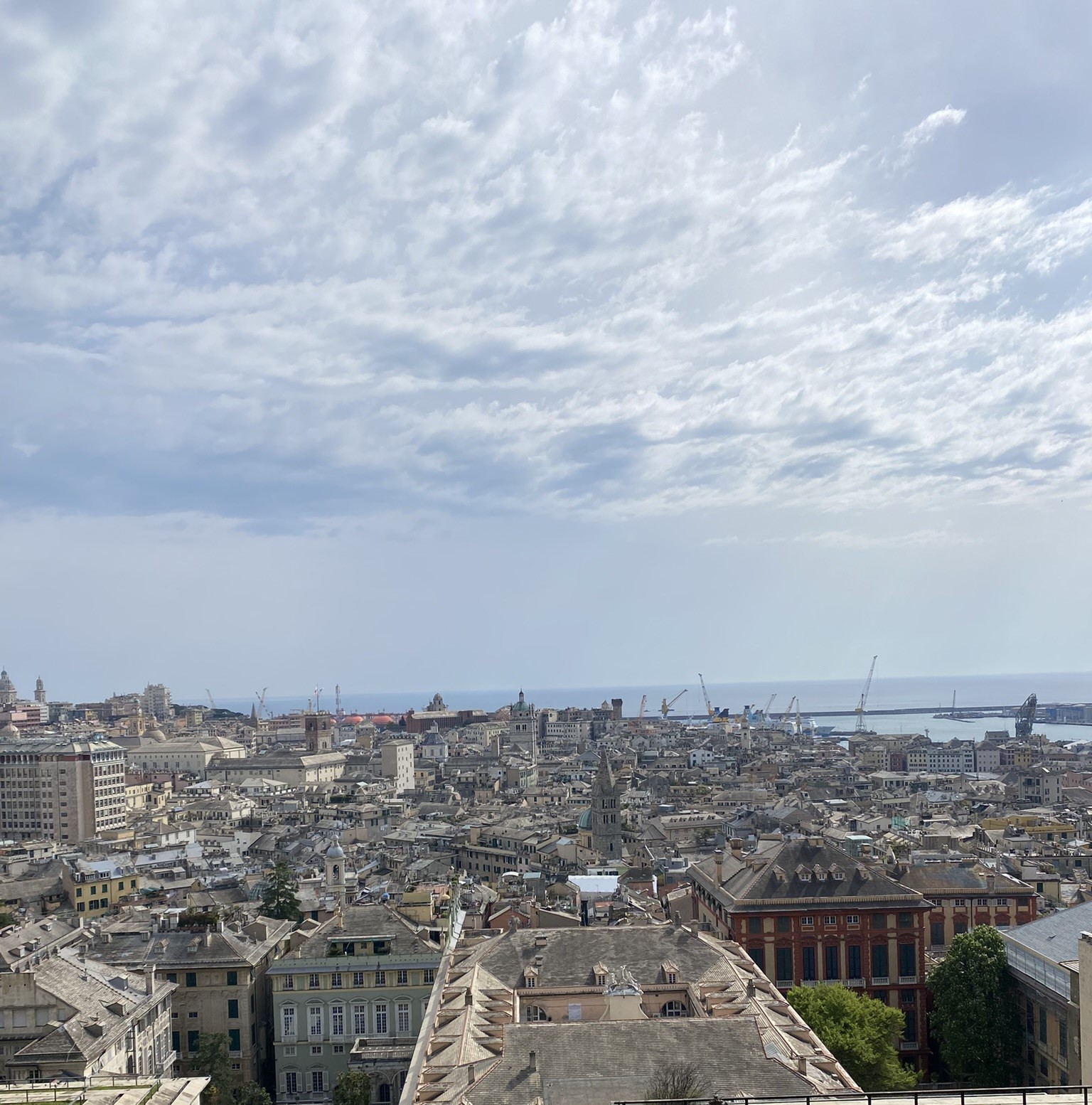
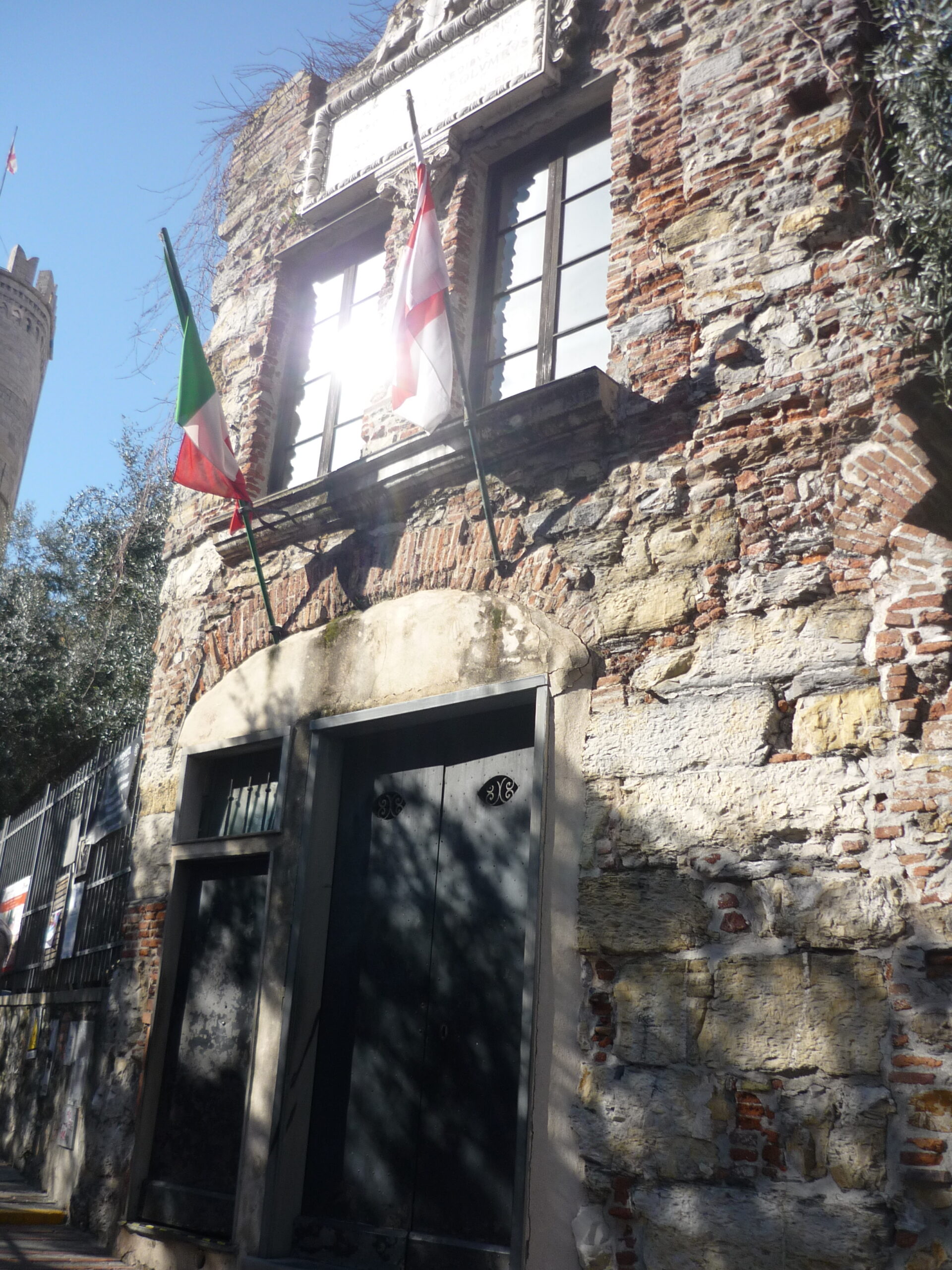
Leaving the elegant XX September Street with the Monumental Bridge, we will stop in front of the so-called Columbus House, located a short distance from Soprana Gate, just outside the ancient medieval walls. Continuing by coach, we will discover a scenic Genoa, with architectural evidence ranging from Rationalism to Art Nouveau, from Romanticism to Neo-Gothic. These are the bourgeois neighborhoods of the early twentieth century, when famous architects built palaces characterized by a riot of animal and plant ornaments that project us into a dreamlike, fairy-tale world: surprising the architecture of G. Coppedè, in which warriors, jellyfish and mysterious and esoteric symbols camp. We will then ascend to the viewpoint of Castelletto, striking terrace suspended over the downtown, where the view embraces slate roofs, dormers, suspension bridges, medieval towers and Baroque domes, hanging gardens and caruggi Teeming with life among ancient workshops. In the background, beyond the harbor, silhouetted on the horizon are the Portofino Promontory, the Apennines and the highest peaks of the Maritime Alps. You can also get up here by the’elevator of Castelletto.
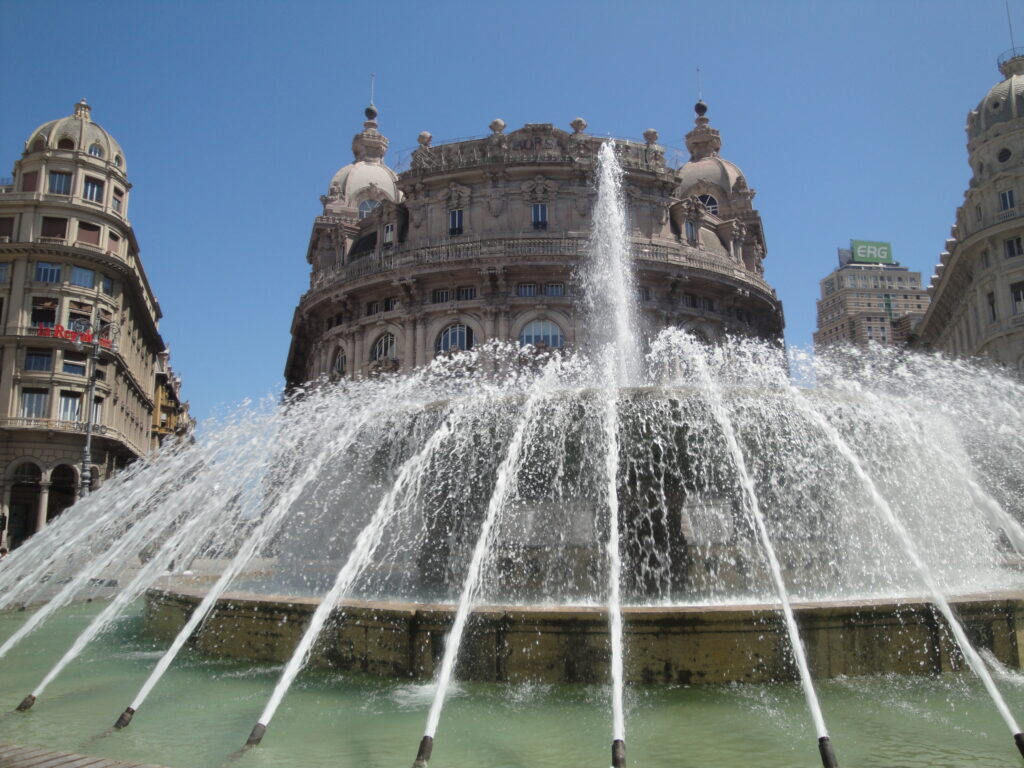
Passing through middle-class neighborhoods, we will continue with our bus in Victory Square, dominated by the’Arch of Triumph and from the flowerbeds depicting the three caravels of Columbus.
We will then reach Albaro with splendid holiday residences built in past centuries by Genoese nobility and upper middle class families: villa Saluzzo-Mongiardino, which hosted G. Byron; villa Bagnarello, which welcomed Charles Dickens; and villa Saluzzo-Bombrini, “the Paradise”.
At the end of the Corso Italia promenade, where it already feels like we are on the Riviera, we will make a stop at Boccadasse. The handful of pastel-hued cottages, leaning against each other and clustered around the small beach lapped by a turquoise sea, the gozzi and fishermen's nets make it one of Genoa's most iconic places and among the most beloved by visitors for its timeless charm.
Continuing along the coast you can reach Fourth of a Thousand, from where Giuseppe Garibaldi departed On the night of May 5-6, 1860, and Nerves, with the quaint little harbor, the waterfront promenade and the beautiful Parks. They form a large green area with English lawns, palm trees and other rare and valuable trees. They once belonged to the Gropallo villas, Saluzzo Greenhouse, Grimaldi Fassio e Luxoro, today are home to important museums of modern and contemporary art. The bus itinerary can also include the Staglieno Cemetery.
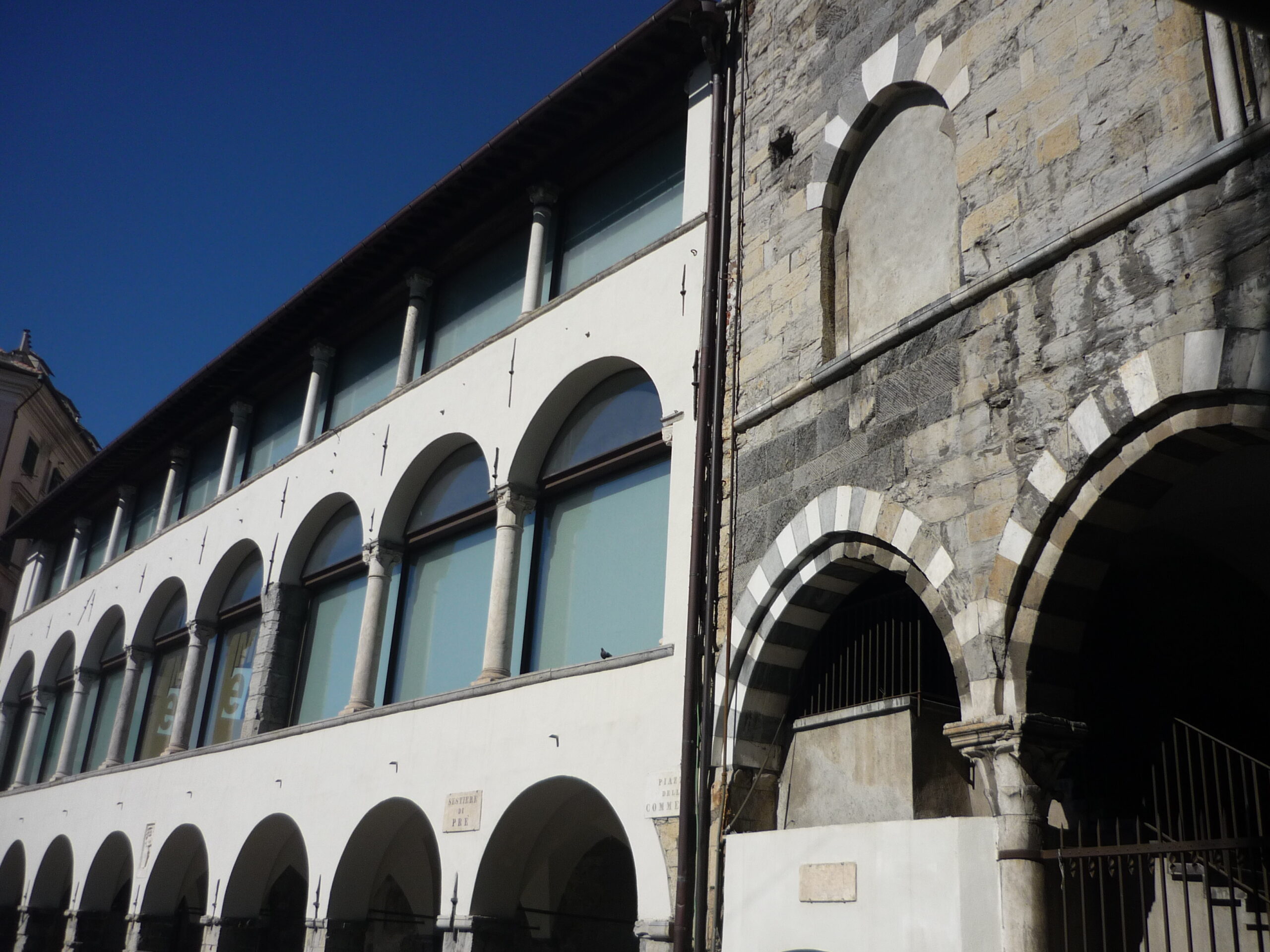
Elementary, middle and high schools that want to carry out a’educational outing in Liguria can combine a visit to the historic center with a panoramic bus tour of Genoa to learn about industrial and port development in the nineteenth and twentieth centuries and the neighborhoods of the Belle Époque.