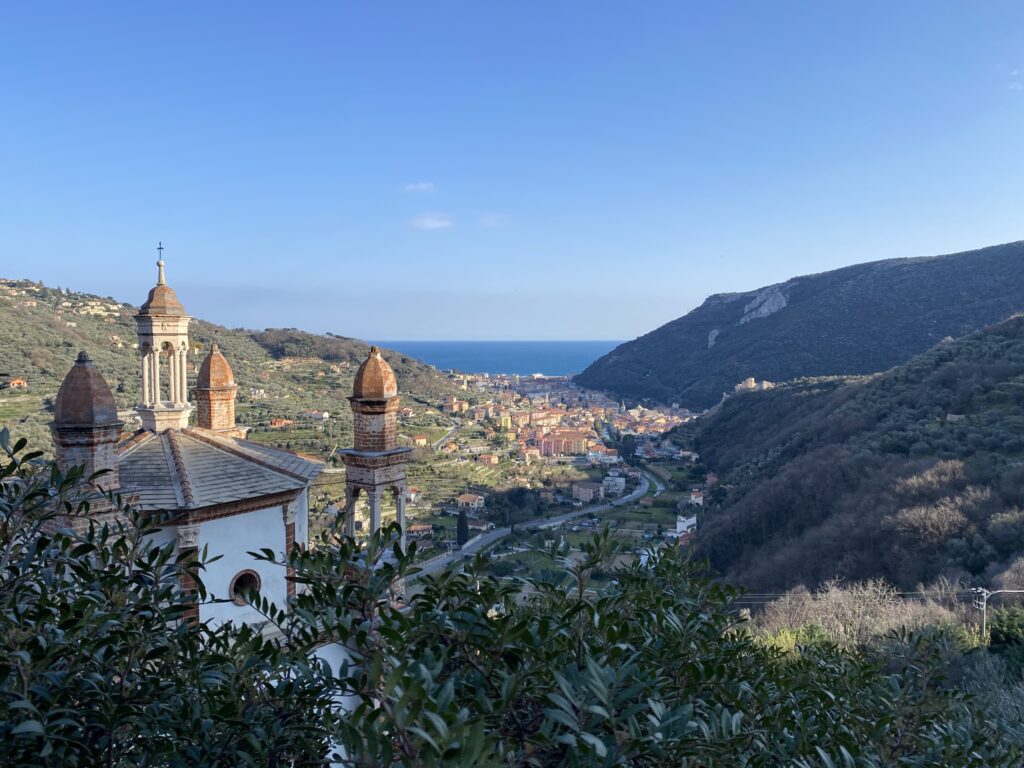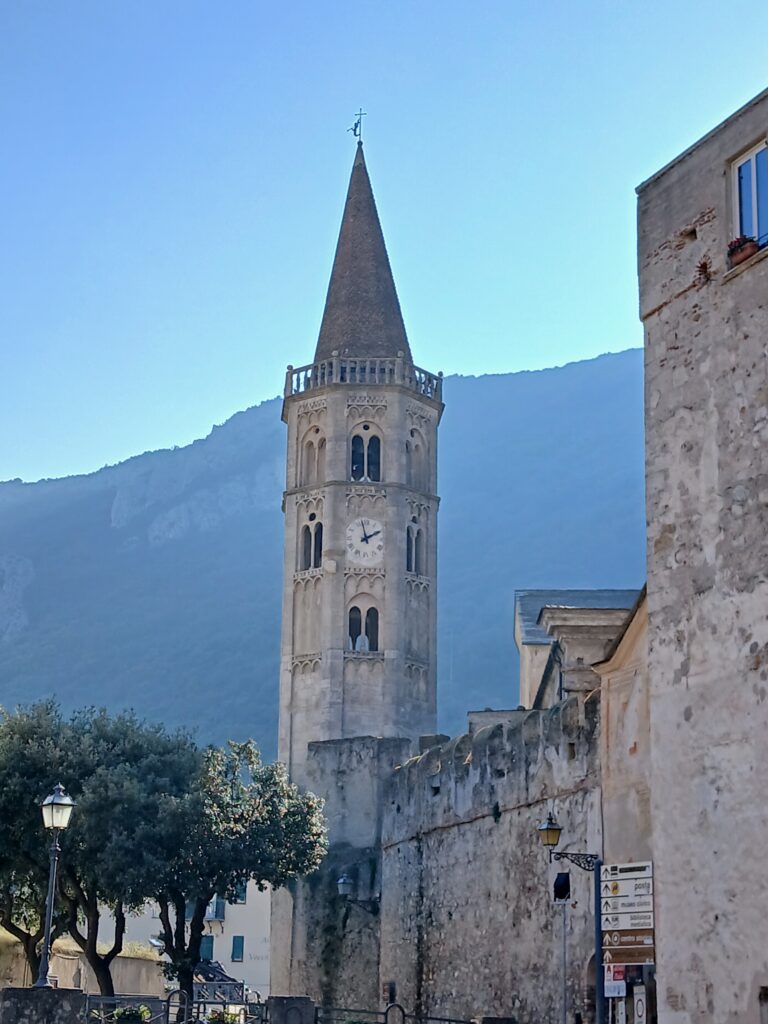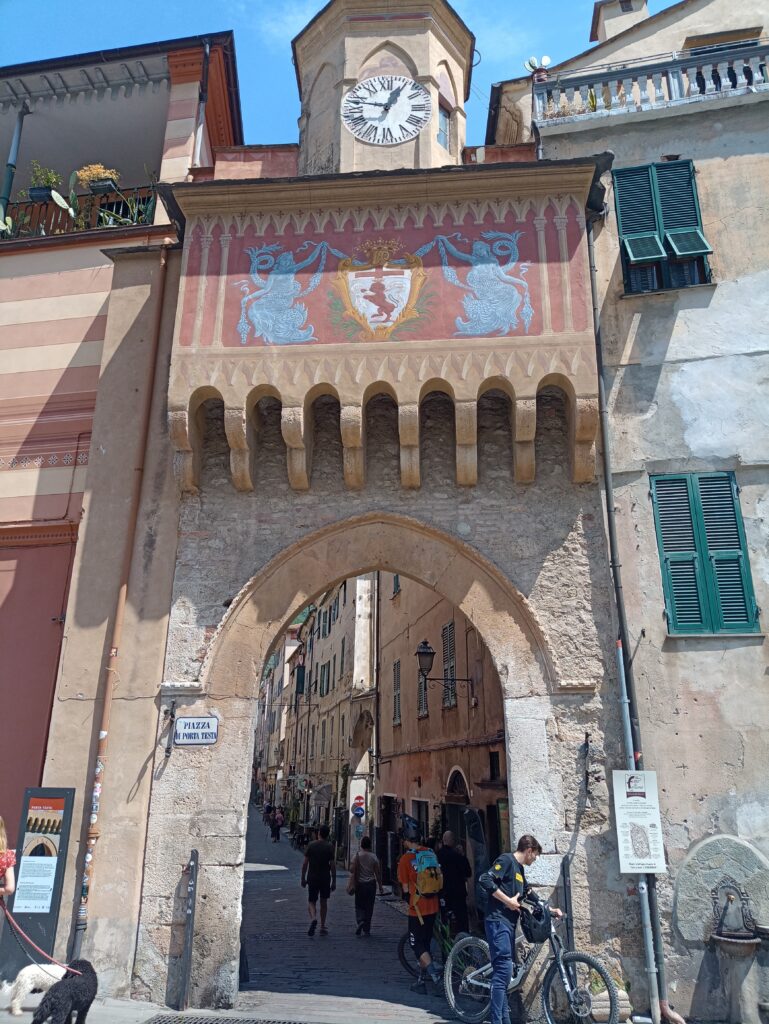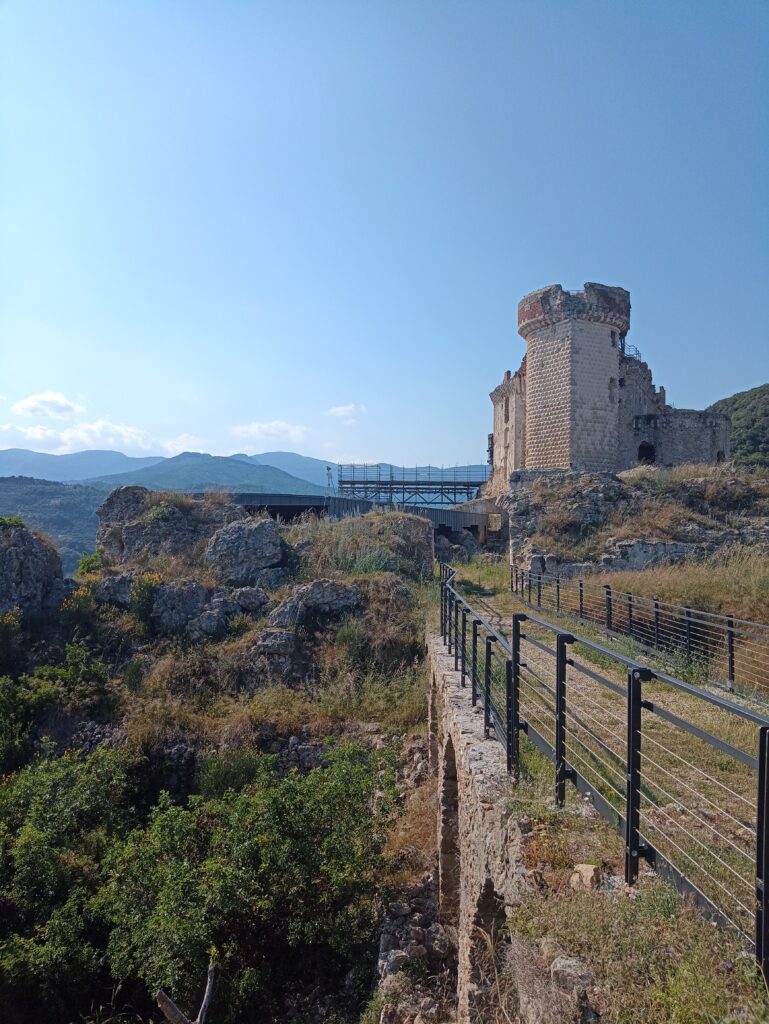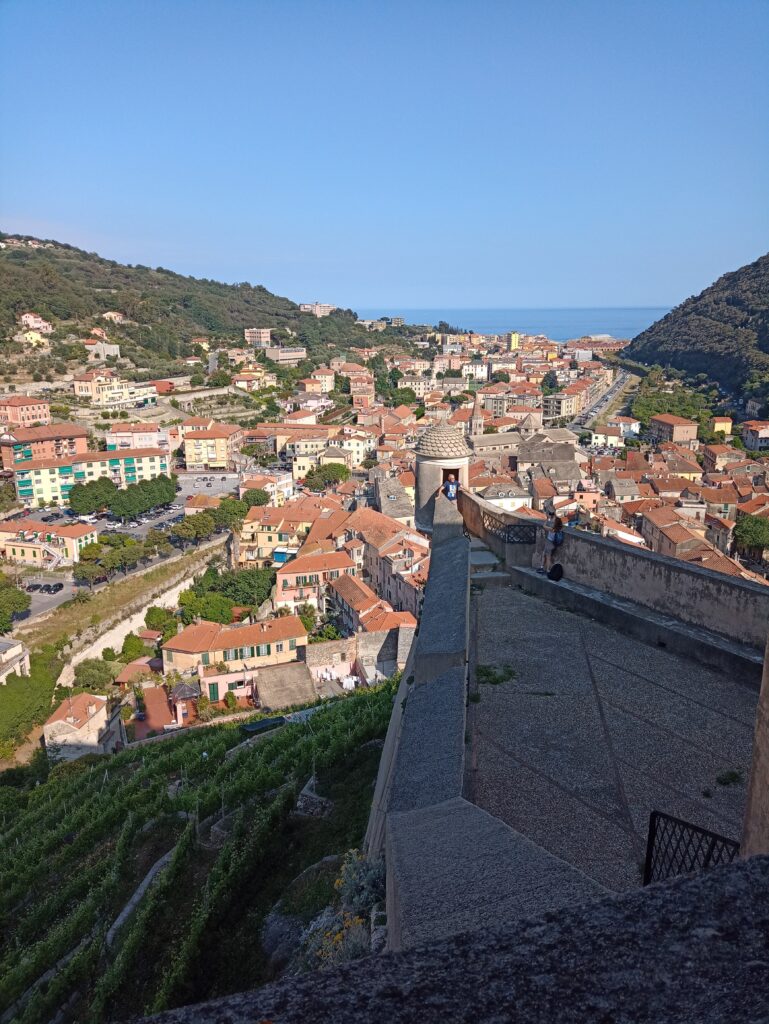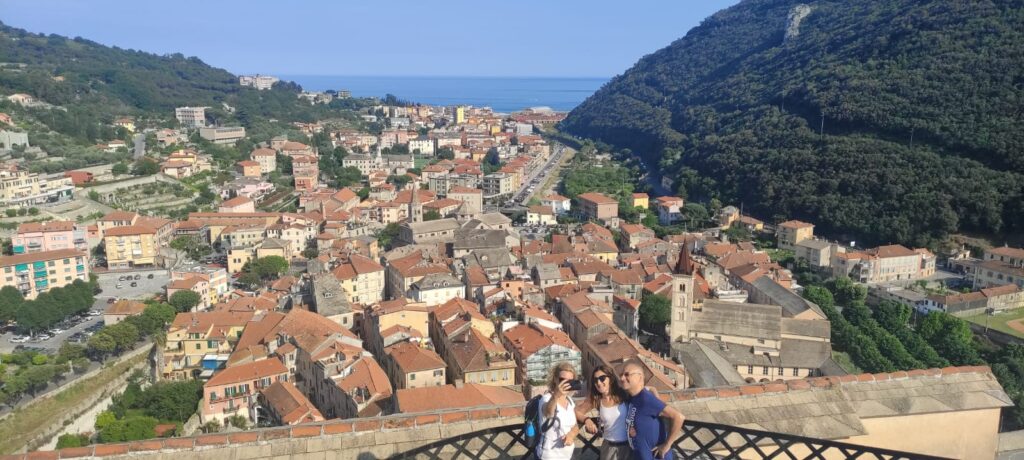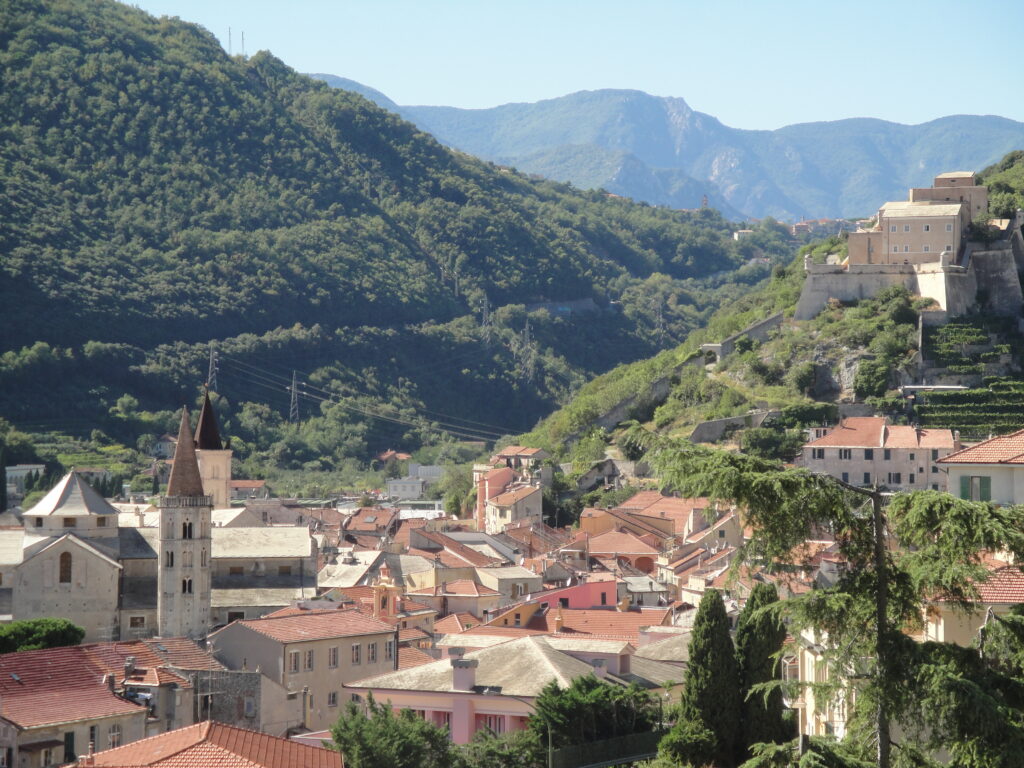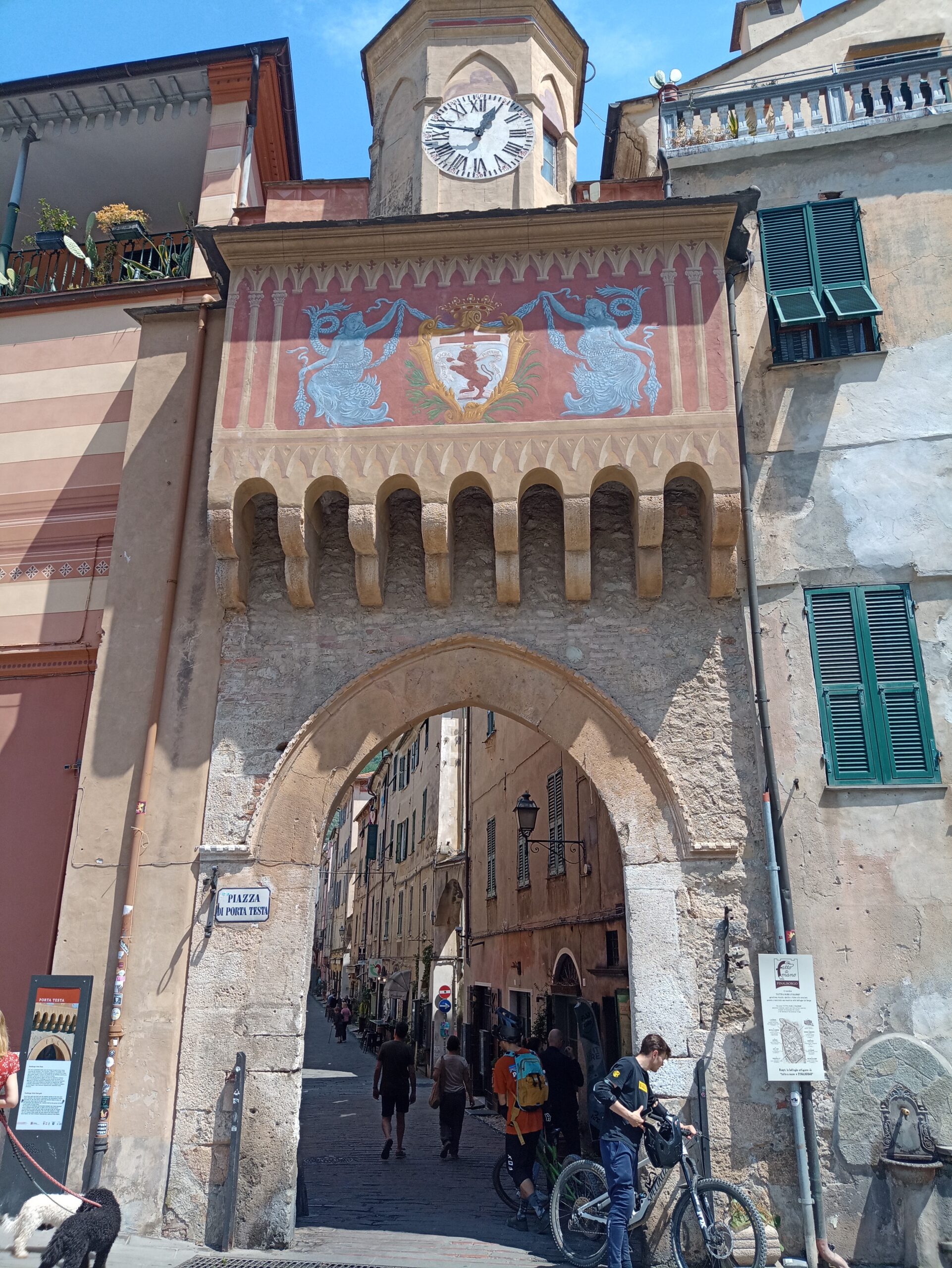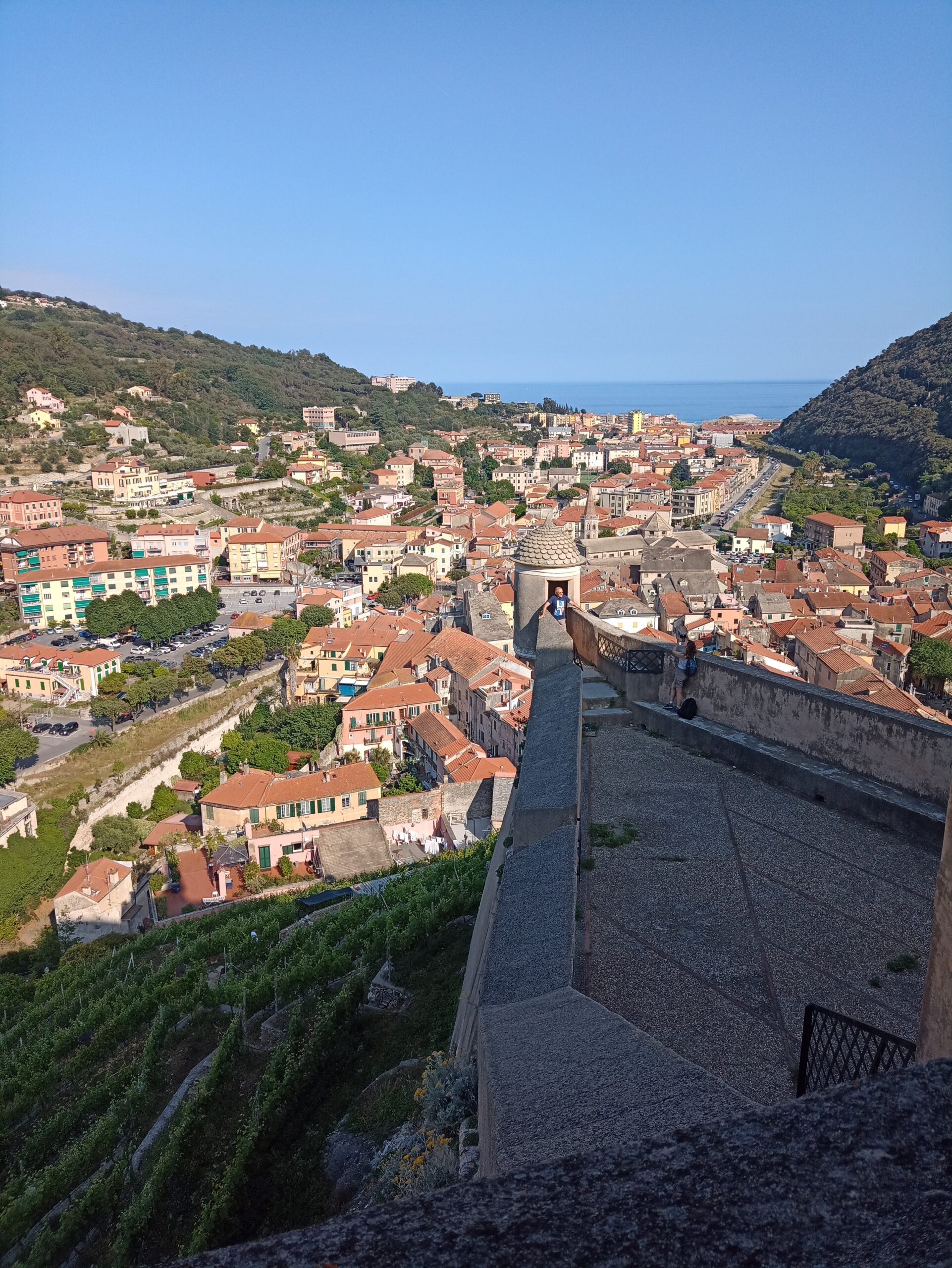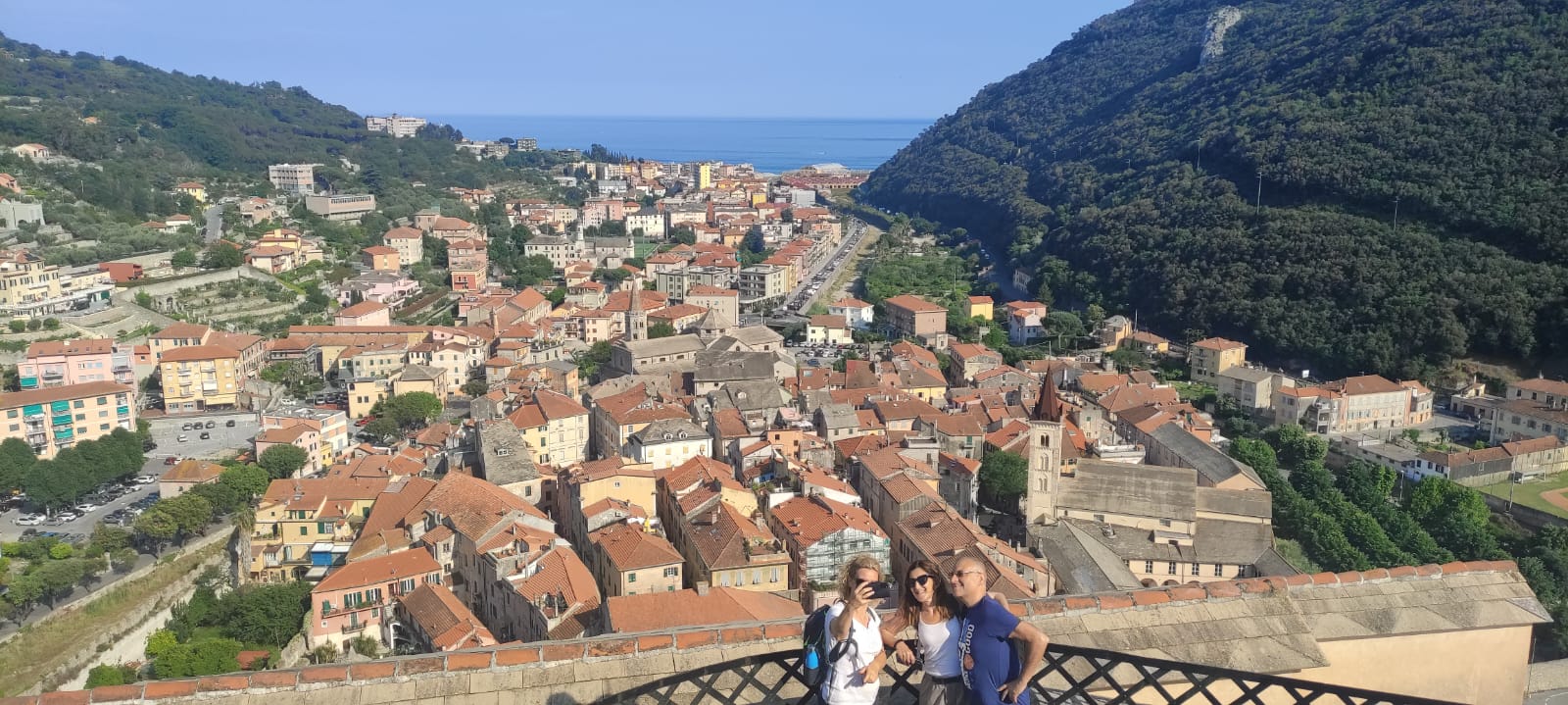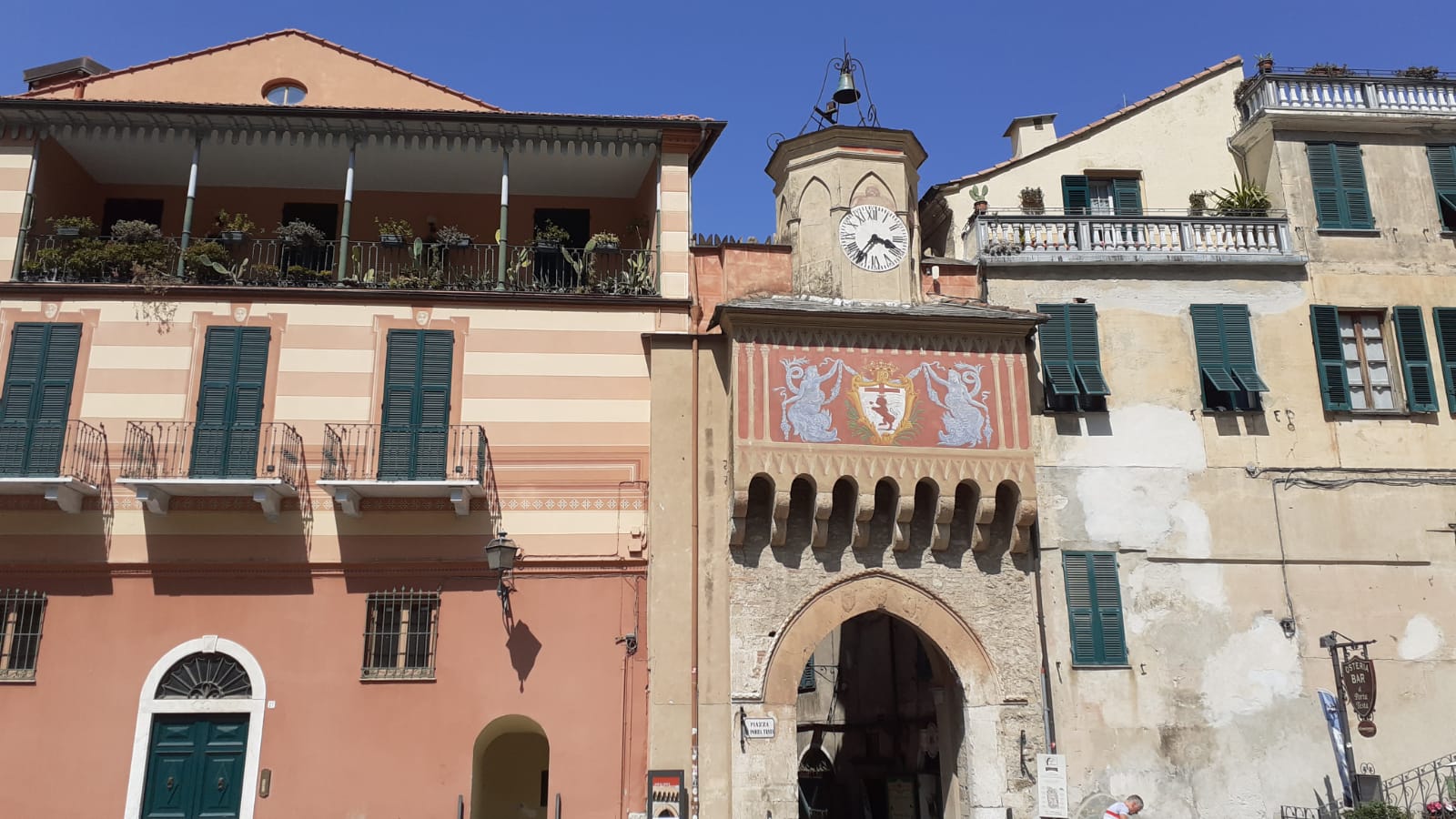

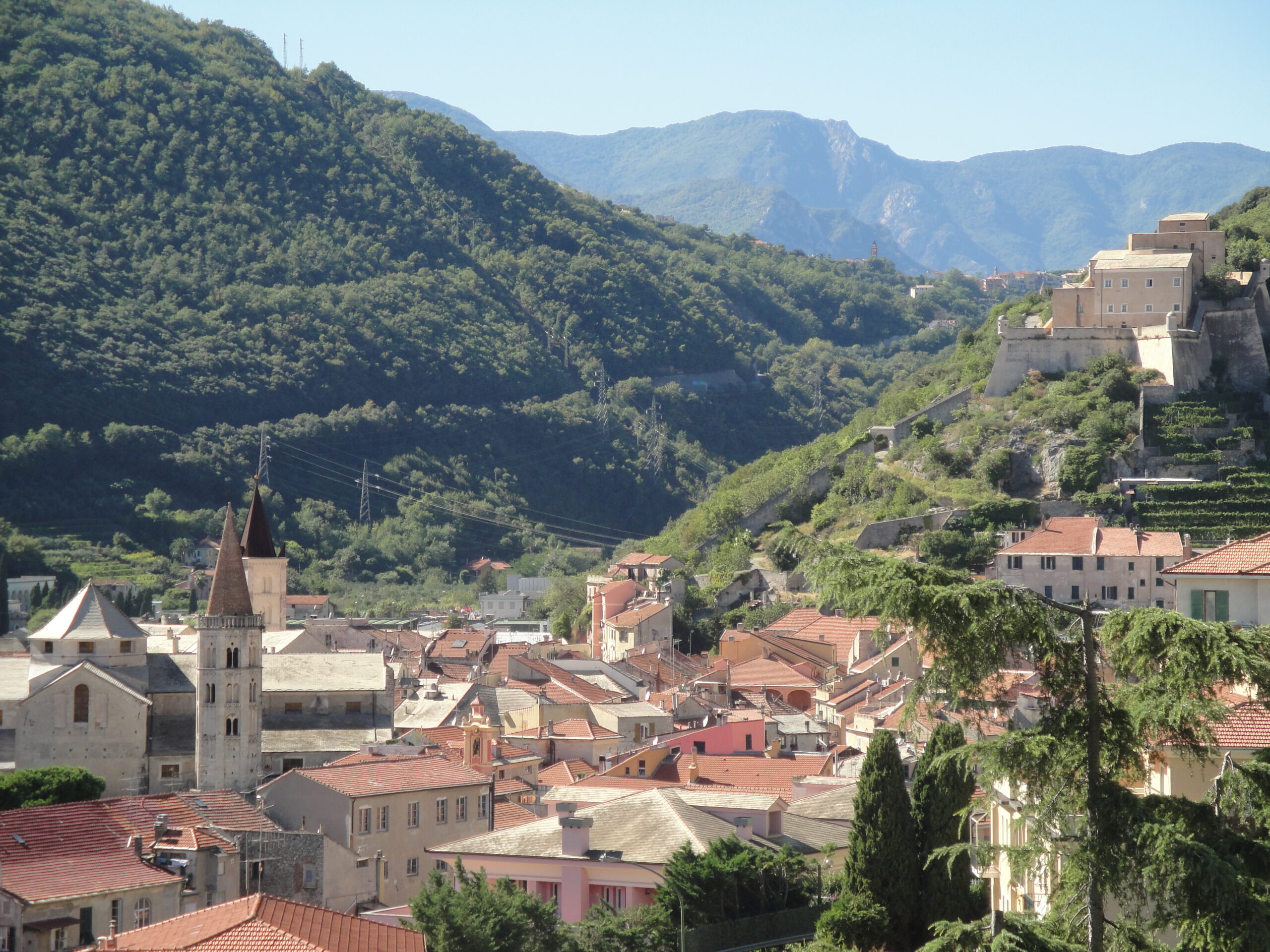
We discover Finalborgo, in the Middle Ages stronghold of the Marchesi del Carretto, one of the most important Italian feudal families, but in the 17th century also an important Spanish outpost. A city that has always been able to renew itself by adapting to the times, becoming today the undisputed capital of international Outdoor. Thanks to the beauty of its urban fabric and the monuments it preserves, it is included among the Borghi Più Belli d'Italia.
Finalborgo experienced its period of greatest splendor between the 15th and 16th centuries, under the rule of the Del Carretto marquises, and in the 17th century, during Spanish rule. Capital of the ancient marquisate of Del Carretto, is still held in the embrace of its walls, interspersed with semicircular towers.
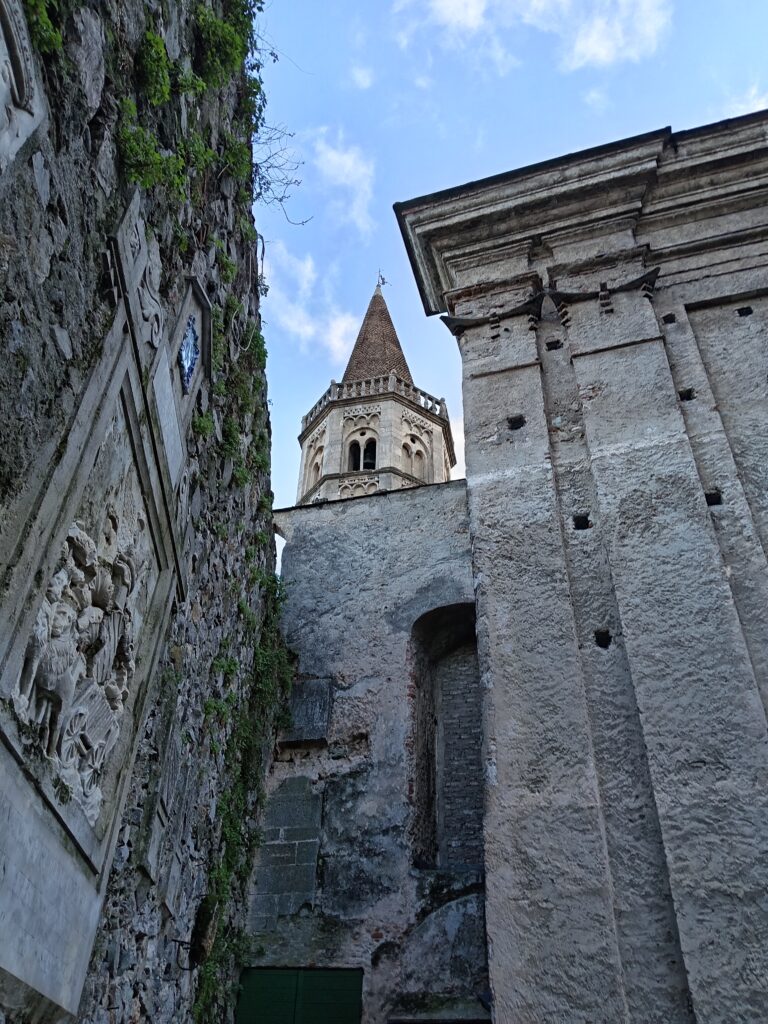
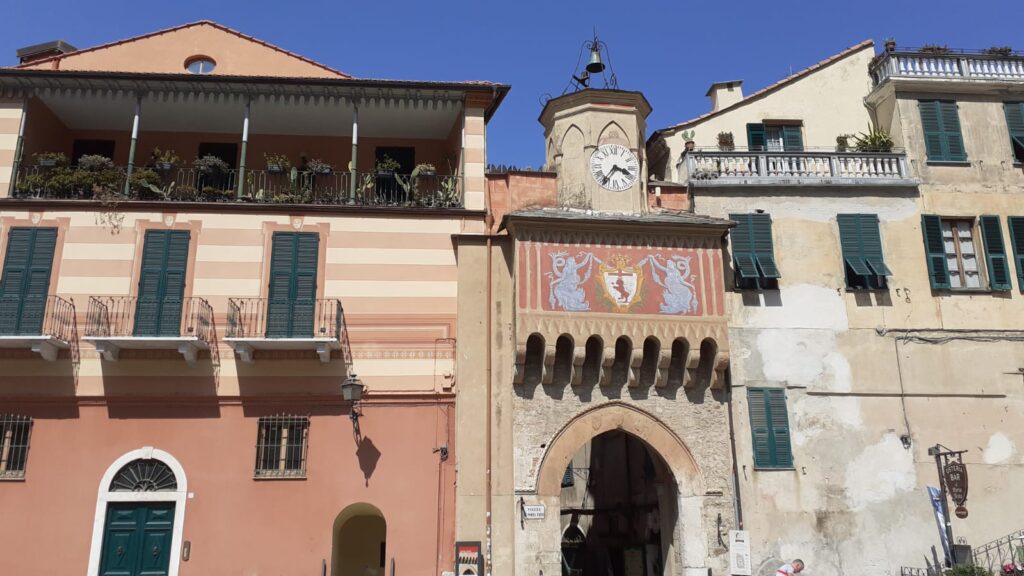
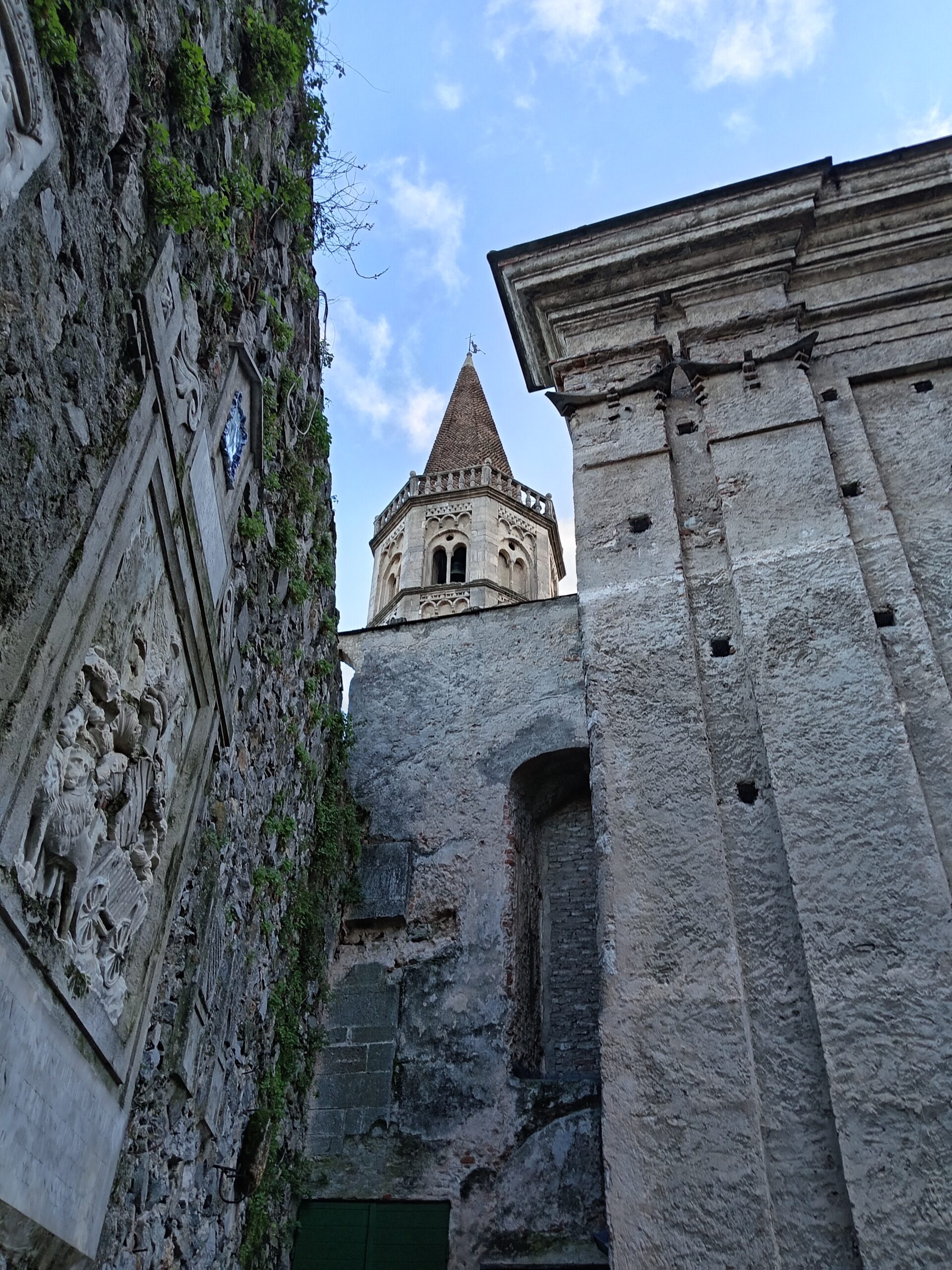
Finalborgo boasts an atmospheric downtown: every street, every square, every corner hide architectural treasures, columns and decorative slate elements that embellish buildings rich in history.
In the second half of the 15th century, the rise of the Del Carrettos on the Italian political scene and their relationship with the Duchy of Milan (ruled by the Sforzas) led to the creation of a series of important Renaissance monuments.
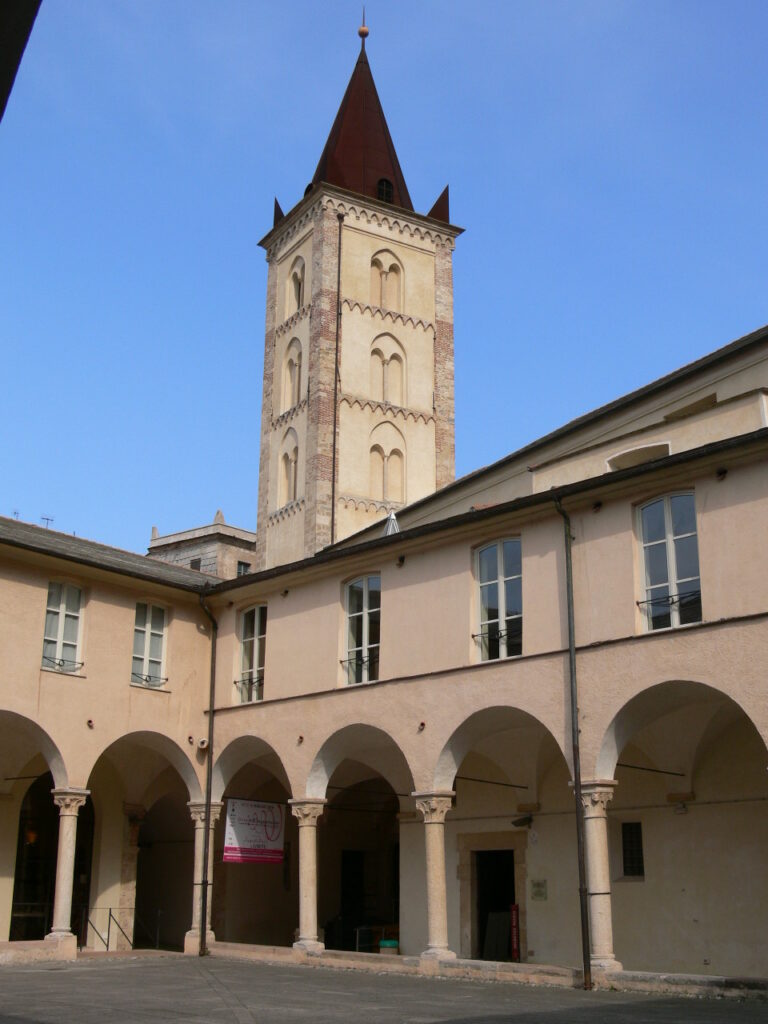
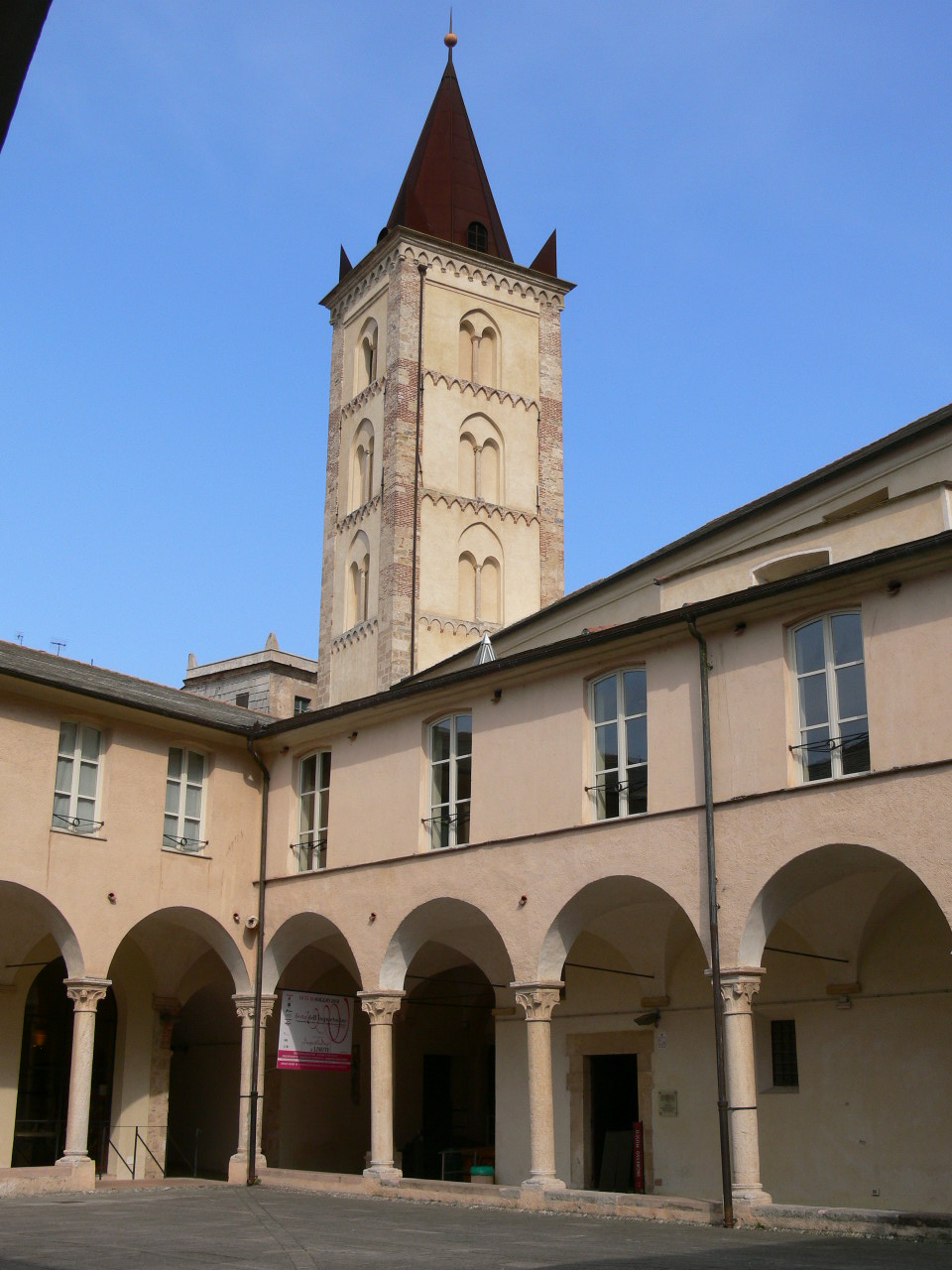
The convent complex of St. Catherine, founded in 1359, was later enriched with the addition of two beautiful Renaissance cloisters; today it houses the Archaeological Museum of the Finale.
The Court Building was the seat of the Carrettesque government and later the judicial and administrative center of the Marquisate of Finale. The facade is a kind of “open book” due to the presence of medieval friezes, 15th-century pictorial decorations, and later interventions.
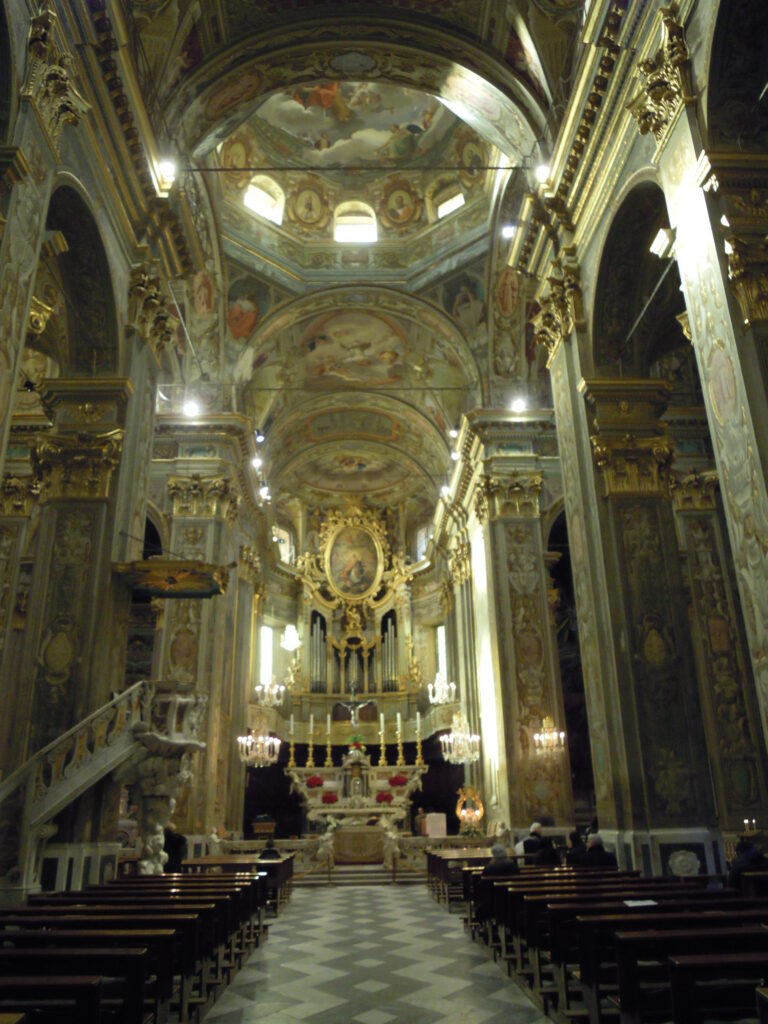
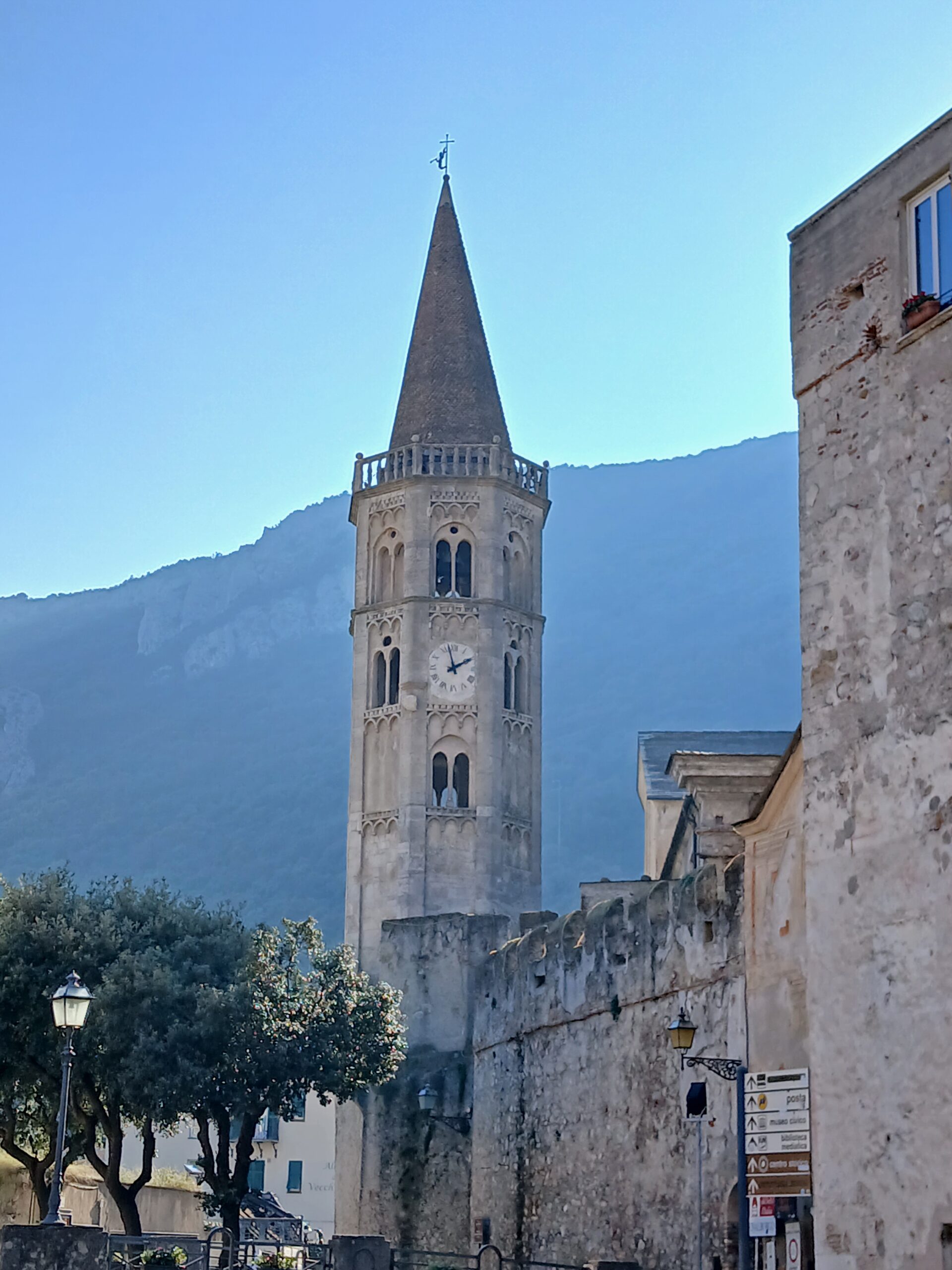
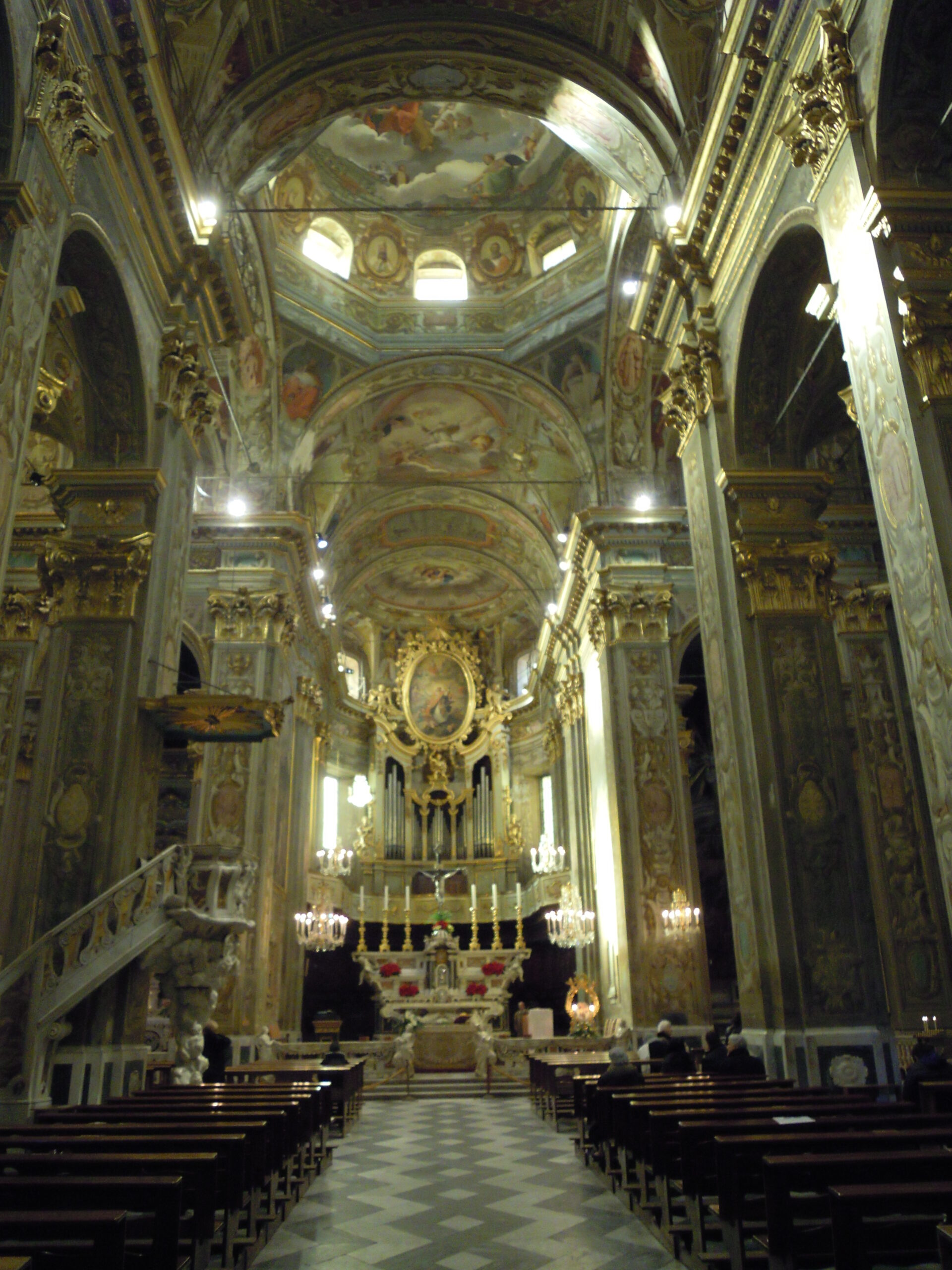
La Basilica of St. Blaise, built to a design by architect Andrea Storace,
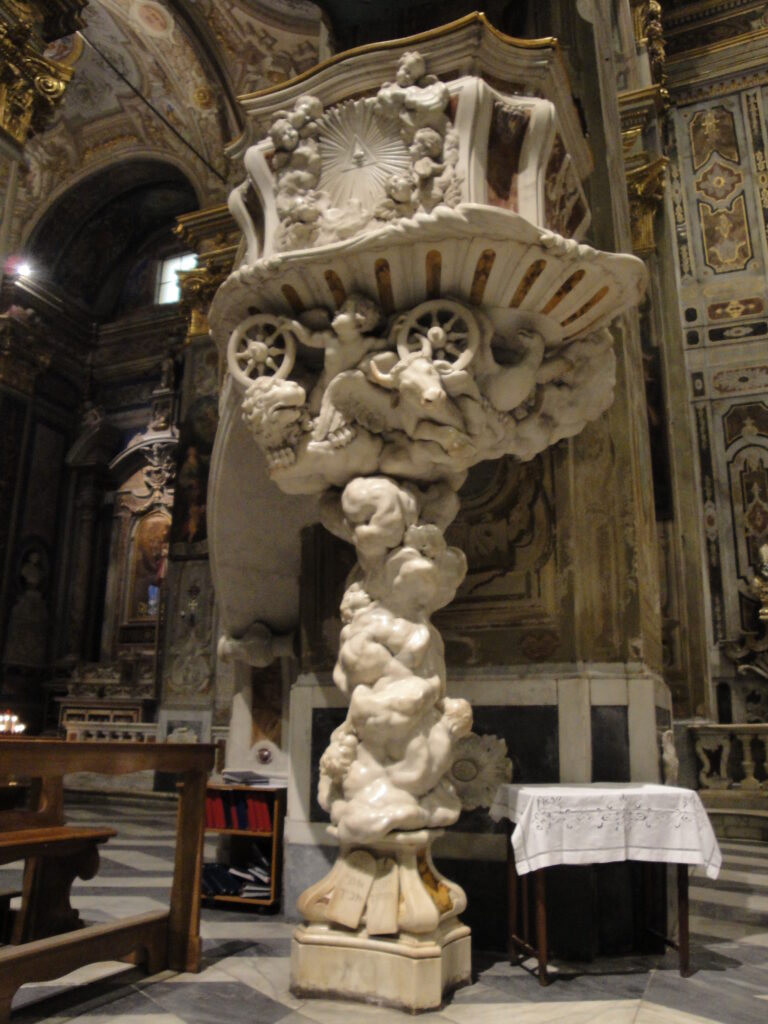
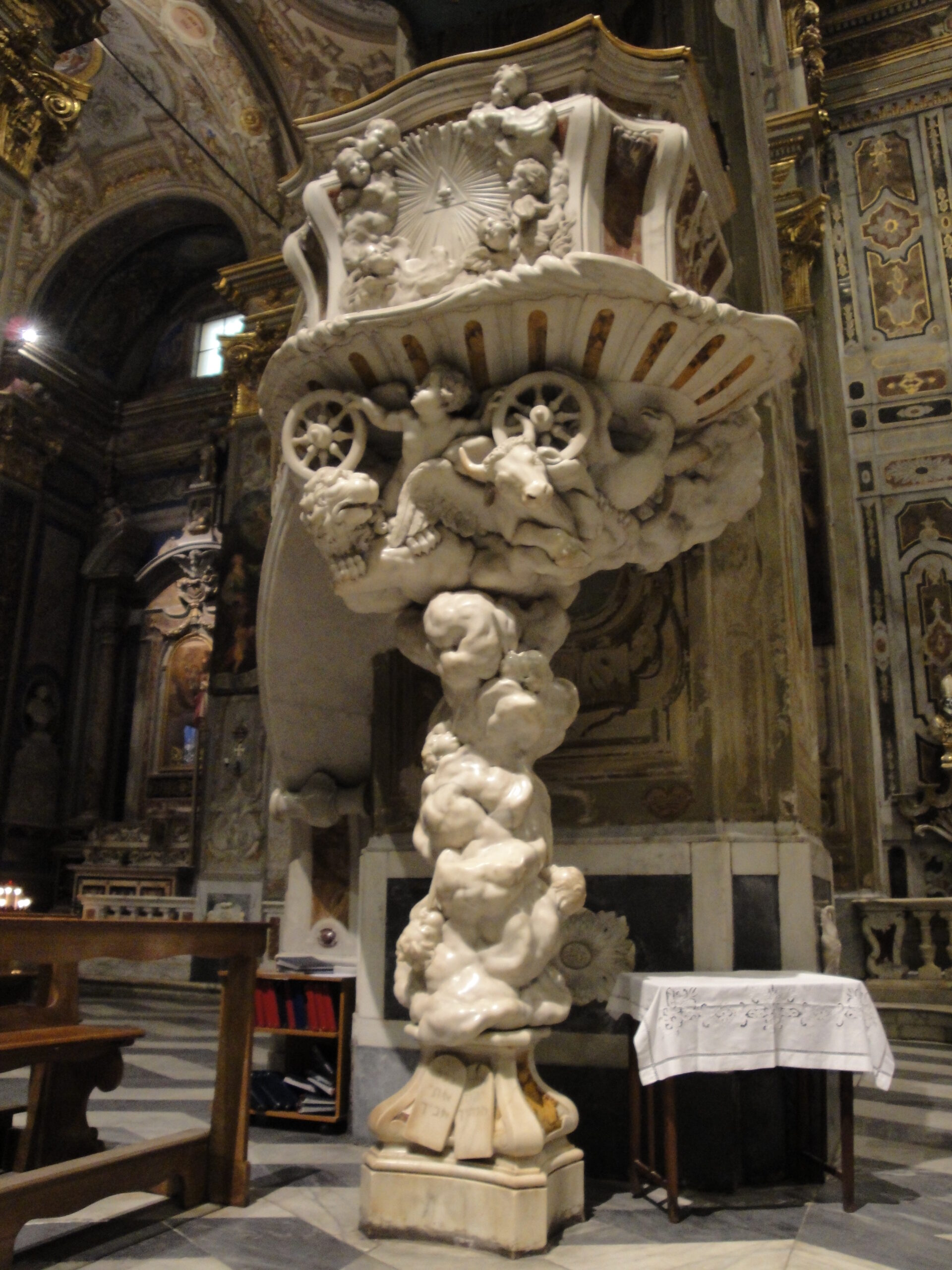
is one of the most significant monuments of the Spanish presence in Finalborgo in the 17th century along with the Castel San Giovanni. Its rich interior is a perfect example of Baroque and gives us a sense of all the opulence of Spanish Baroque. Strictly Spanish is the Madonna del Carmelo, in every way a true Castilian Madonna. Highest last expression of Spanish patronage is the splendid pulpit ( 1707-1714) by Bocciardo, one of the most perfect expressions of the art of the time. The church also preserves valuable 15th- and 16th-century altarpieces from the Church of St. Catherine, such as the Our Lady of Roses by Vincenzo Tamagni and the Martyrdom of St. Catherine (1533) by Oddone Pascale.
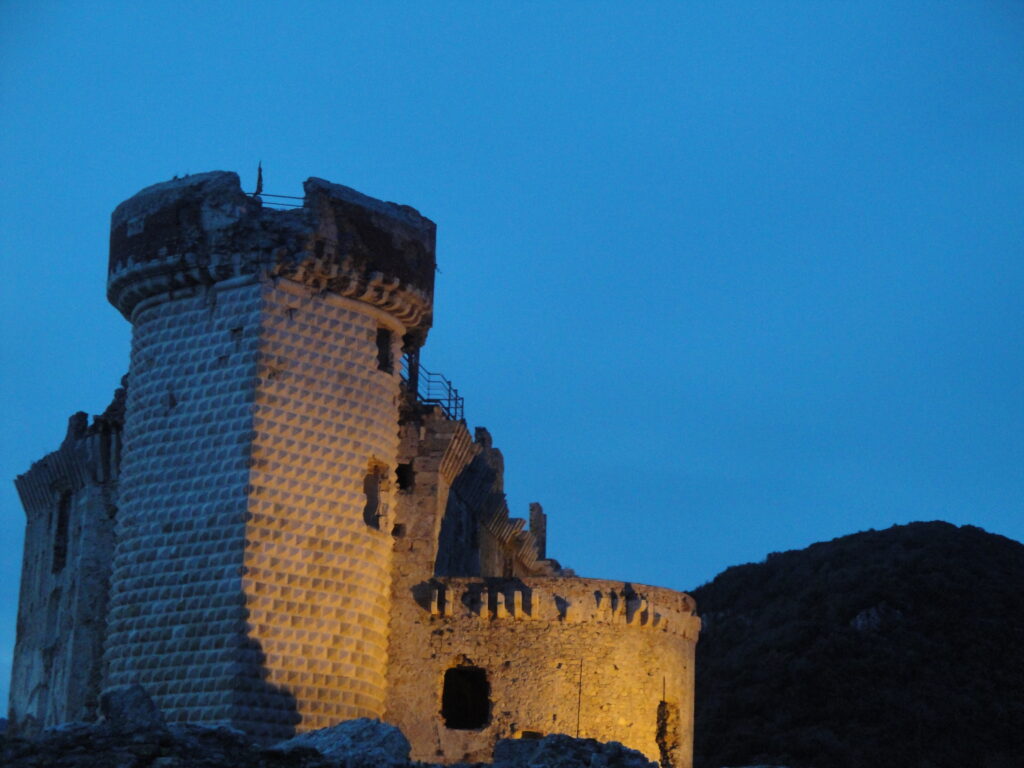
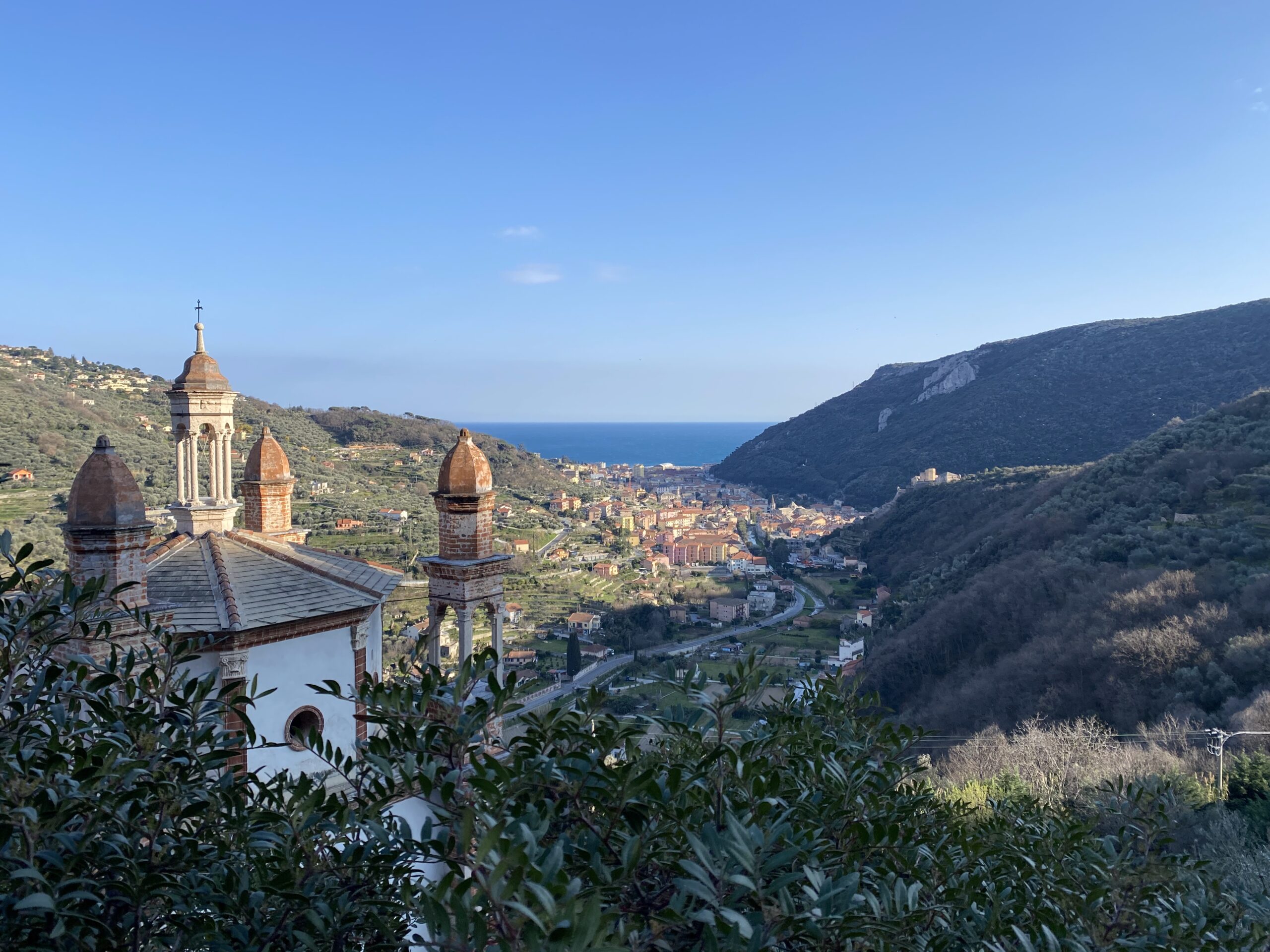
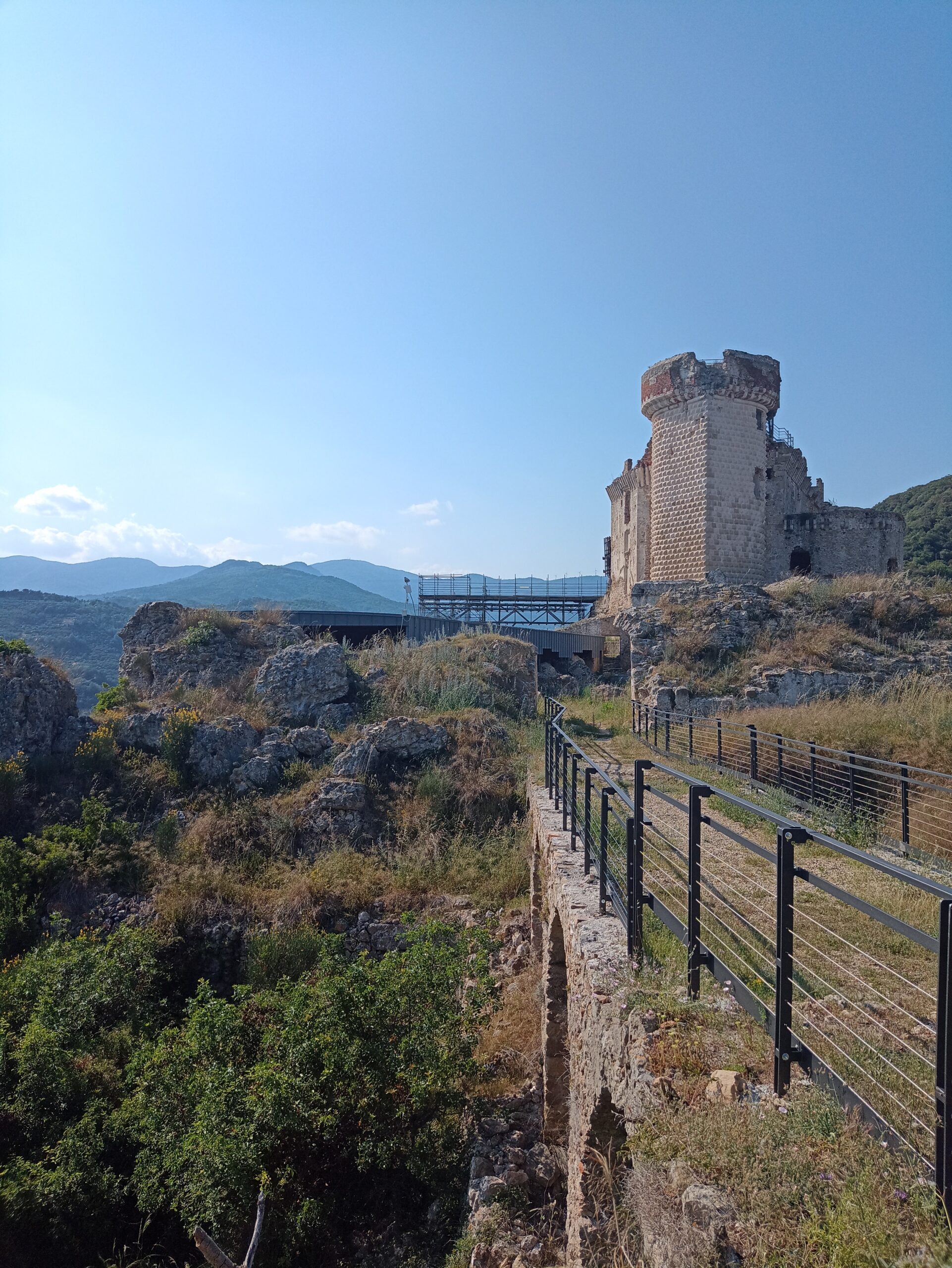
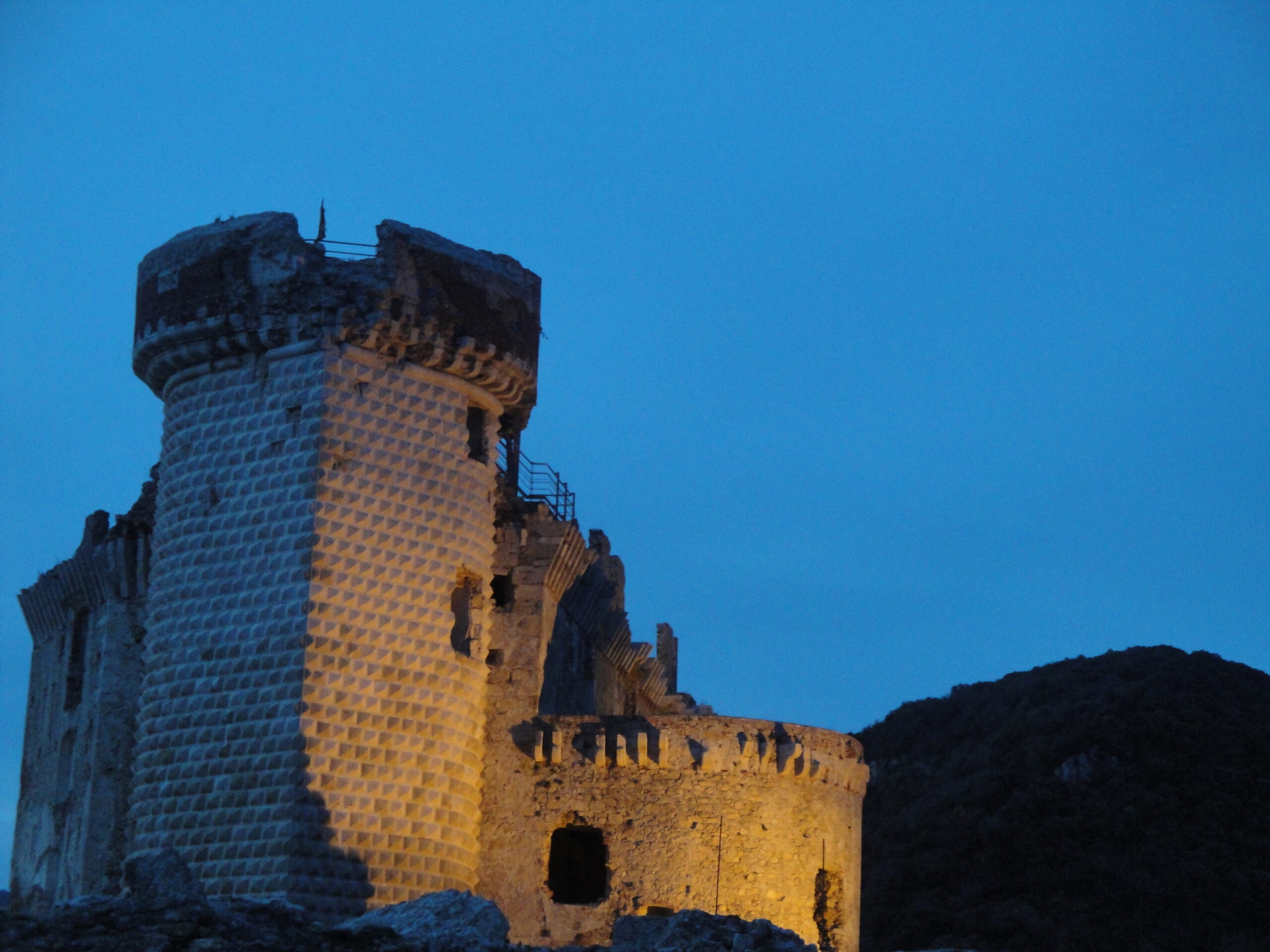
The visit can be enriched with a walk/hike along the Queen's Road, among olive trees and Mediterranean scrub. Leaving the Spanish fortress of Castel S. Giovanni we arrive at Gavone Castle, with the splendid Diamond Tower, for centuries the residence and symbol of the power of the Marquises del Carretto. On reaching Perti Alta the Church of Our Lady of Loreto also called the Five Bell Towers (1488), is a Renaissance-style building with Lombard influences and represents an almost unique case in Liguria. The church is an important document of the importance of the Del Carretto family in the 15th century.
The guided tour of Finalborgo can be combined with:
- guided tour of Finalmarina
- guided tour of Noli
- trekking The Wonders of the Finale
- cultural trekking the Queen's road