
Rely on a local guide to really get to know the soul of Genoa And savor the “delights of villa living.”.
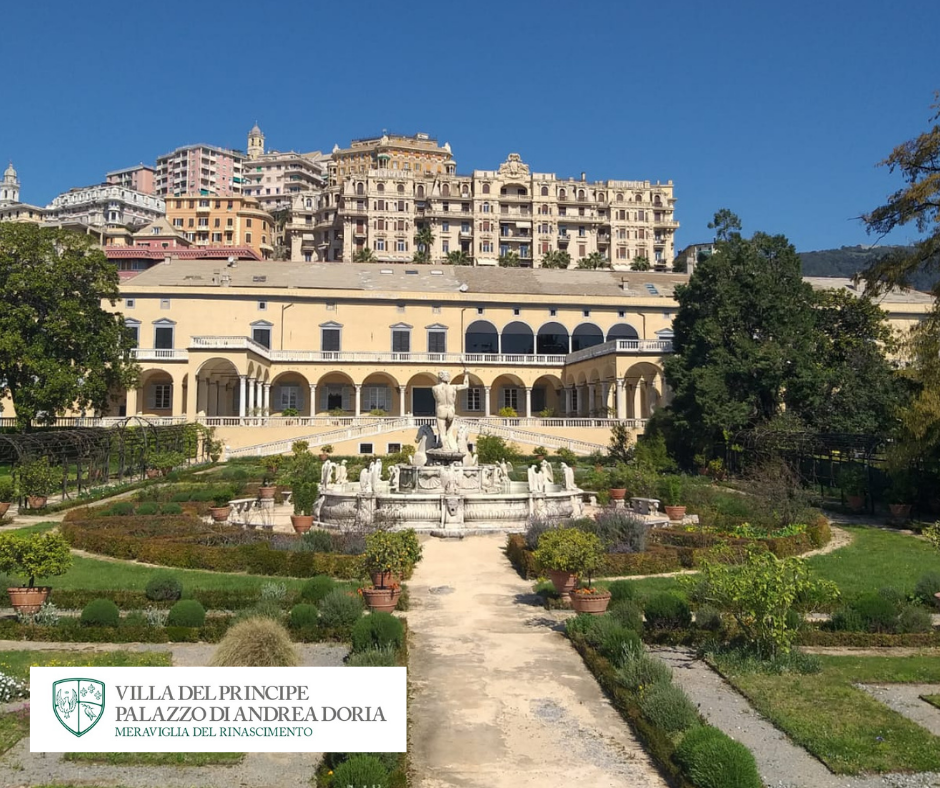
Prince's Villa. Built in the first half of the 16th century at the behest of Andrea Doria, admiral of the Emperor Charles V, is in fact the only “palace” in Genoa, a republican city. The palace, which still belongs to the Doria - Pamphili family, is not part of the palaces of the Rolli because it is located outside the ancient city wall, configuring itself as a suburban villa. The interior features a refined decorative cycle, due to Perin del Vaga, an artist with a cultured and up-to-date language, a pupil of Raphael and a leading figure on the Roman art scene in the years leading up to the Sack of Rome (1527). Perin del Vaga created one of the most important Renaissance painting cycles in northern Italy in the Villa. The palace, which hosted Emperor Charles V in 1533, was later enlarged and enriched with new works of art by Andrea Doria's heir, Giovanni Andrea I. The building preceded the palaces of New Road, marking, in Genoese architecture, the transition from the Middle Ages to the Renaissance and from the city palace to the suburban villa. The interior is rich in frescoes, tapestries and wooden furnishings. Of note is the hall with the fresco representing the Giants electrocuted by Jupiter, by Perin del Vaga (1533) and tapestries dedicated to the battle of Lepanto 1571. Around the palace can be visited a part of the vast gardens reaching the sea on one side and ascending the hill on the other; in the center the magnificent Neptune fountain symbolizes Admiral Andrea Doria.
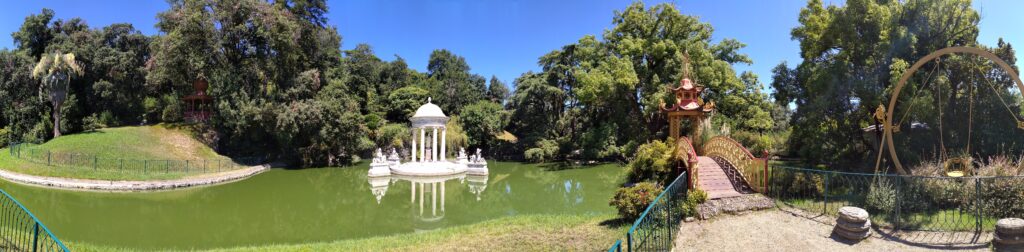
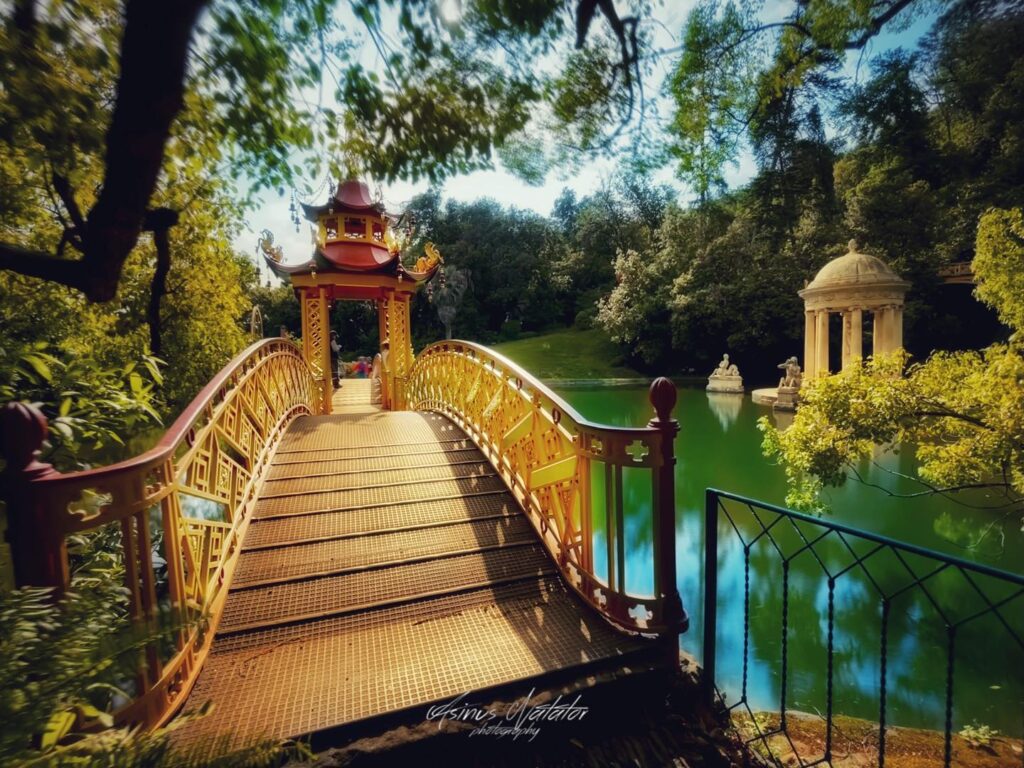
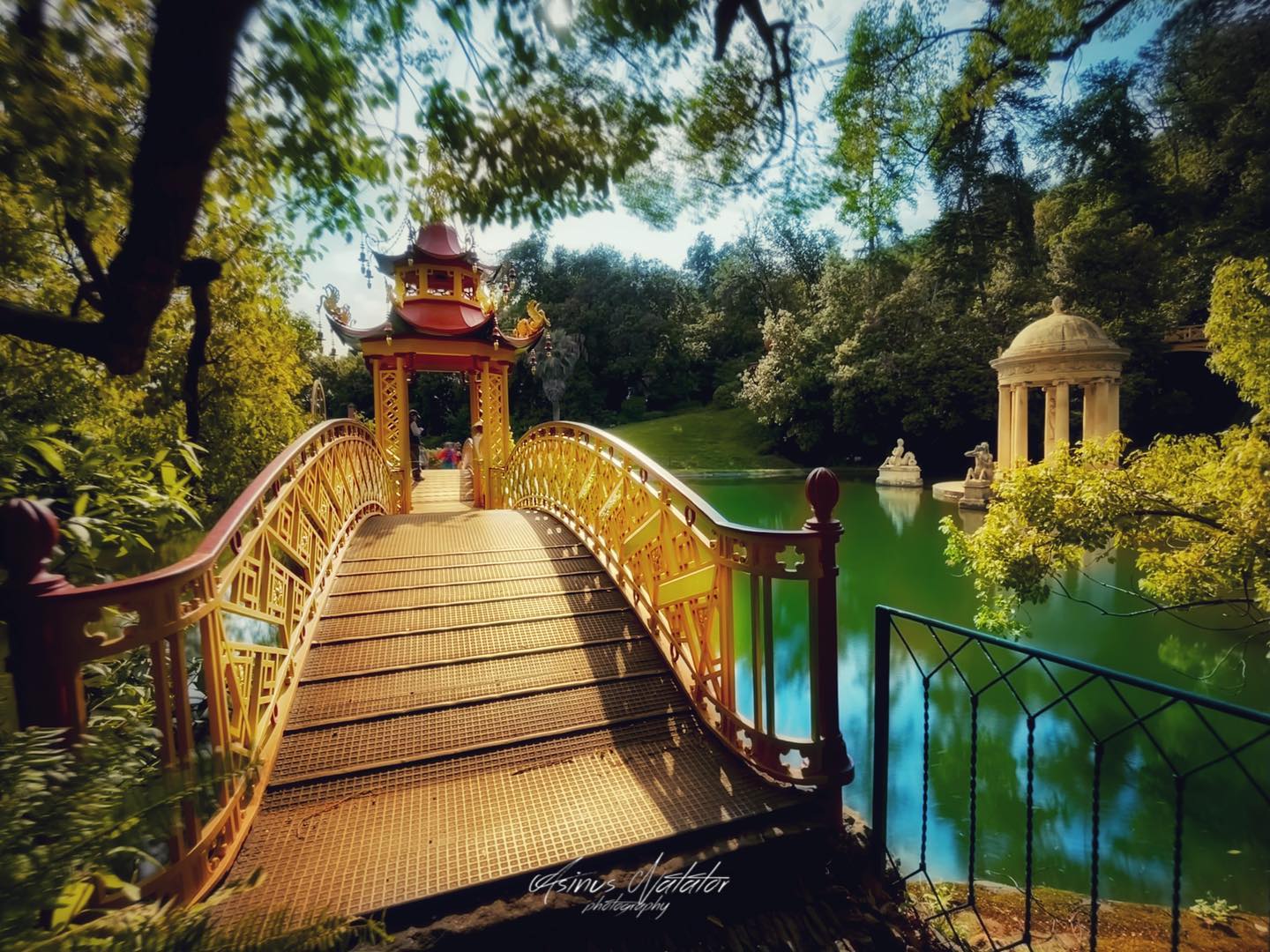
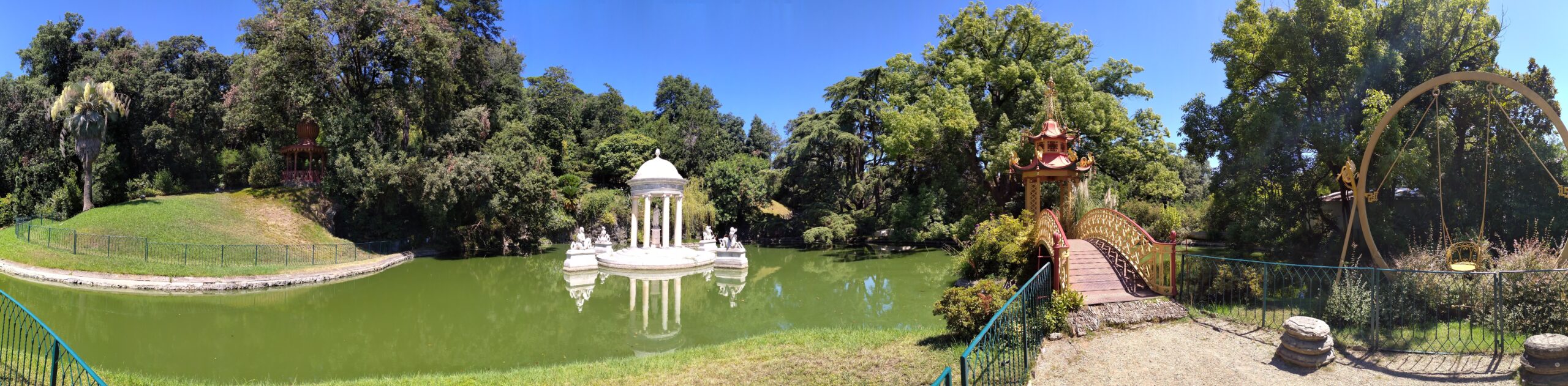
Villa Durazzo Pallavicini. Villa Durazzo Pallavicini is a historic aristocratic mansion in Pegli, a residential neighborhood in the western part of the city. The complex consists of the palace, home of the Museum of Ligurian Archaeology, and a park of nearly 9 hectares, among the largest historic gardens in Europe. The palace, created in the 17th century at the behest of the family Grimaldi, was owned by two other important Genoese patricians, the Durazzo and Pallavicini families. The Villa Park, among the most beautiful in Italy, was built between 1840 and 1846 by architect Michele Canzio, set designer of the Carlo Felice theater, at the behest of Marquis Ignazio Alessandro Pallavicini. It is developed on the side of a hill with flat spaces, caves and a tangle of paths with a difference in height of about 134 meters. It is structured as a theatrical tale, with historical, philosophical and cultural references, in a setting of great scenic and botanical value. The route is divided into three acts, each consisting of four scenes with “scenic artifices” in which the exotic vegetation and autochthonous produces striking emotional atmospheres. Of great emotional impact are the two lakes, the streams, the waterfalls, the caves and the many architectures in neoclassical, neo-Gothic, rustic, chinoiserie, and exotic styles. Villa Durazzo Pallavicini can also be reached from the ancient port by shipbus service (about 30 minutes by boat).
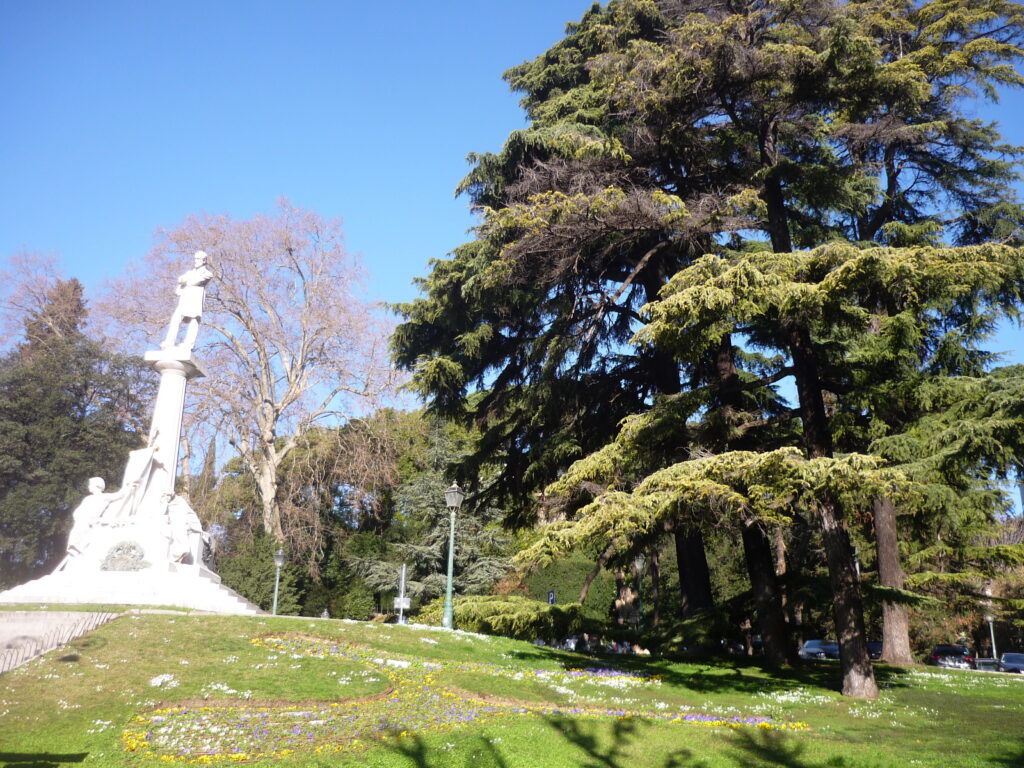
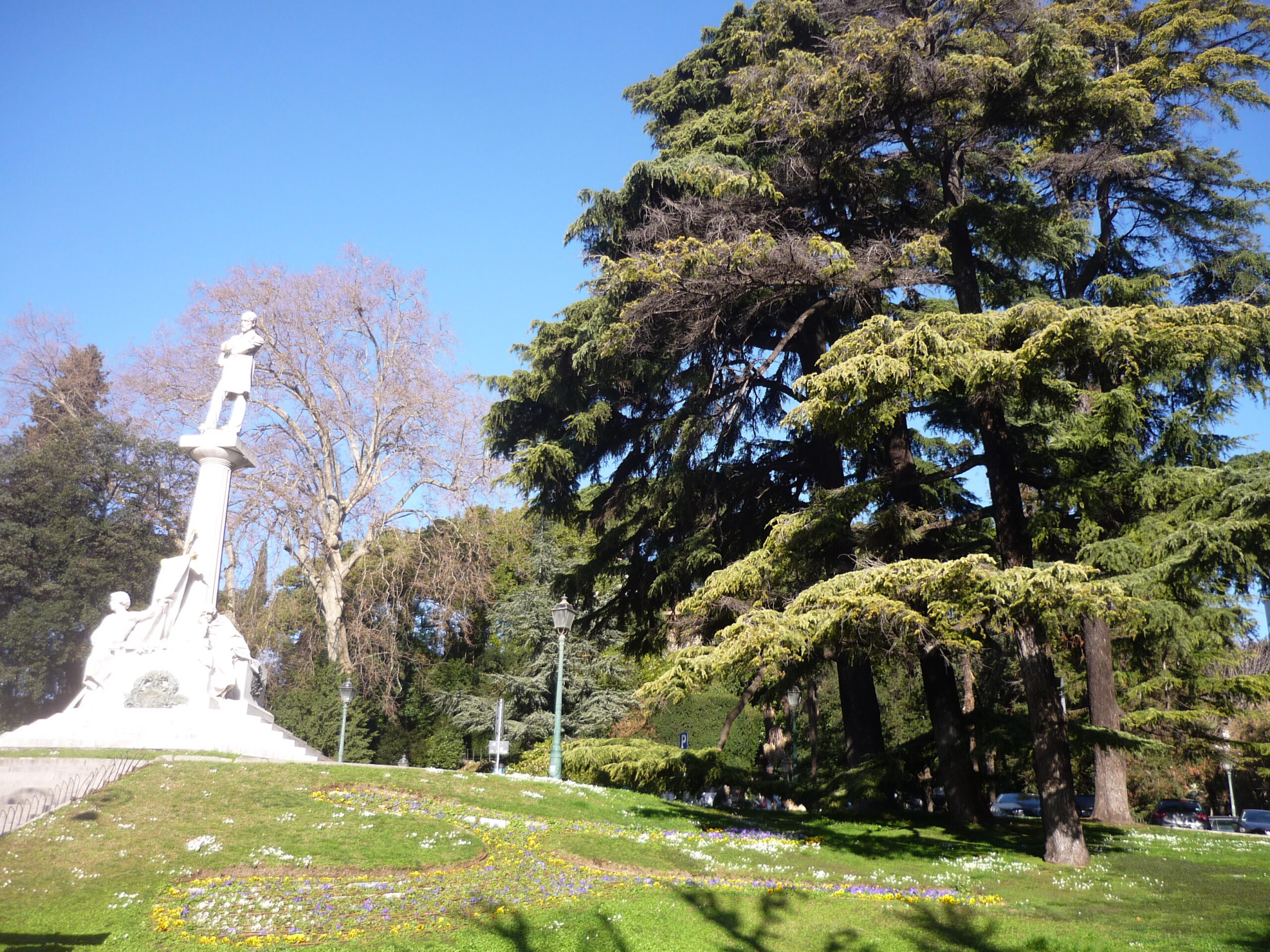
Villetta Di Negro. Within walking distance of the downtown, Villetta Di Negro is a scenic and scenic urban park of about 2 hectares. It is developed along a series of avenues that climb along the sides of a small hill, from the top of which it is possible to admire the city center. Among monumental plane trees and redwoods, the scenic waterfall and artificial caves, built between 1863 and 1892, stand out.
Historical Park Villa Duchessa di Galliera. Commissioned in the 18th century by the Brignole-Sale family, it covers an area of 32 hectares and includes 18 kilometers of avenues, on the hills overlooking Voltri and the Gulf of Genoa.
With a scenic coach tour we will be able to reach the Nervi Parks, a historic-environmental complex of romantic inspiration where typical Mediterranean flora mingles with exotic and tropical plants: palms of all kinds, cedars and araucarias coexist with the pepper tree, under the splendid foliage of ancient and majestic maritime pines. Shady avenues surround picturesque settings with large lawns sloping toward the cliffs, where there is a beautiful view of the Promontory of Portofino. We will be able to visit some villas that opsit important museums Genoese: Villa Saluzzo Serra which houses the Gallery of Modern Art (GAM), or Villa Grimaldi Fassio which holds the prized Frugone Collections, with sculptures and paintings by various Italian and European artists. Villa Luxoro, built in 1903, is a fascinating mansion-museum, preserving many works of both figurative and applied art.
Our tour guides and environmental hiking are available to the schools of all levels to carry out educational activities and guided tours of Genoa's parks and villas on the occasion of educational trips in Liguria.